Razer and AWS are building AI agents that play games like humans to find bugs
Razer and AWS are pushing AI agents that watch the screen and play like humans, aiming to catch glitches before players do.
In brief
AI agents from Razer and AWS could catch game glitches before players do
Razer and AWS are pushing AI agents that watch the screen and play like people to catch glitches before players see them. That could mean cleaner game launches, but judging whether a game is fun still needs humans.
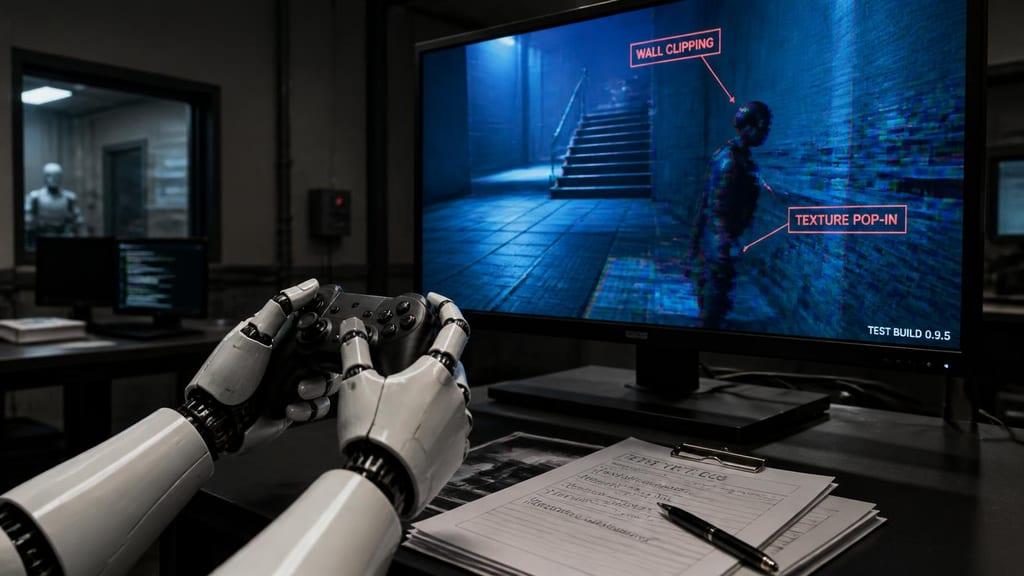
Broken launches have become a running joke in gaming. Part of the problem is testing: modern games are huge, and human testers cannot try every path. AI agents are being built to help.
What is happening
At GDC 2026, Razer showed a new version of its QA Companion-AI, adding vision-based bug detection and AI-generated test plans, plus an early preview of AI gameplay agents. AWS has also published a guide to building an AI game-testing agent on Amazon Bedrock, arguing that old scripted bots, which replay recorded button presses, struggle to keep up with changing games.
How it works, simply
Instead of following a fixed script, the AI looks at the screen like a player, decides what to press, and reports things that look wrong: a character stuck in a wall, a missing texture, a menu that freezes.
What players could notice
- Fewer embarrassing bugs on day one.
- Faster patches, since fixes can be retested quickly.
- Smaller studios able to test more like big ones.
The limits
AI testers are good at spotting visual glitches and repeating long routes, but they are weaker at judging whether a game is fun or fair. Human testers, who often have low pay and job security already, also worry about being replaced. The likely outcome is AI doing the boring, repetitive checks while people focus on feel and balance.
Sources
Source: razer.com