Scammers used Hugging Face's own AI builder to make 29 phishing pages
Security firm Aikido found 42 phishing pages copying 28 brands, including Microsoft and PayPal, and more than half had been online for over a year.
In brief
Scammers used Hugging Face's AI builder DeepSite to make 29 phishing pages
Security firm Aikido found 42 phishing pages hosted on Hugging Face, copying 28 brands such as Microsoft, PayPal and Chase. 29 were built by typing instructions into DeepSite, the site's AI website builder. All are offline now, but some had been up for over a year.
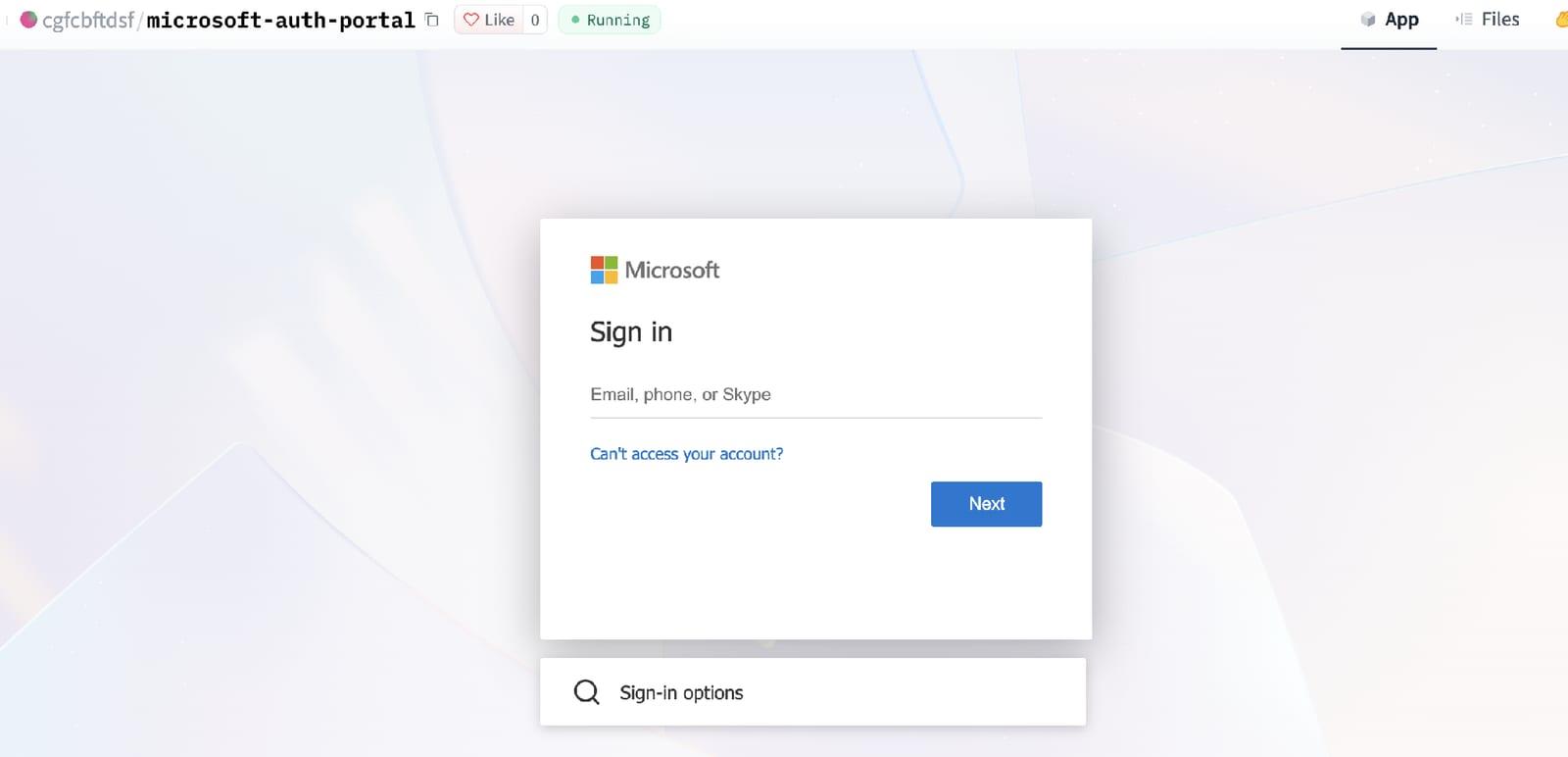
Someone who wanted a fake Microsoft sign-in page did not write a line of code. They typed instructions in French into DeepSite, the AI website builder on Hugging Face, for about 90 minutes, and Hugging Face published the result at its own web address. That page is one of 42 phishing pages that the security company Aikido found on the site and described in a report on November 24.
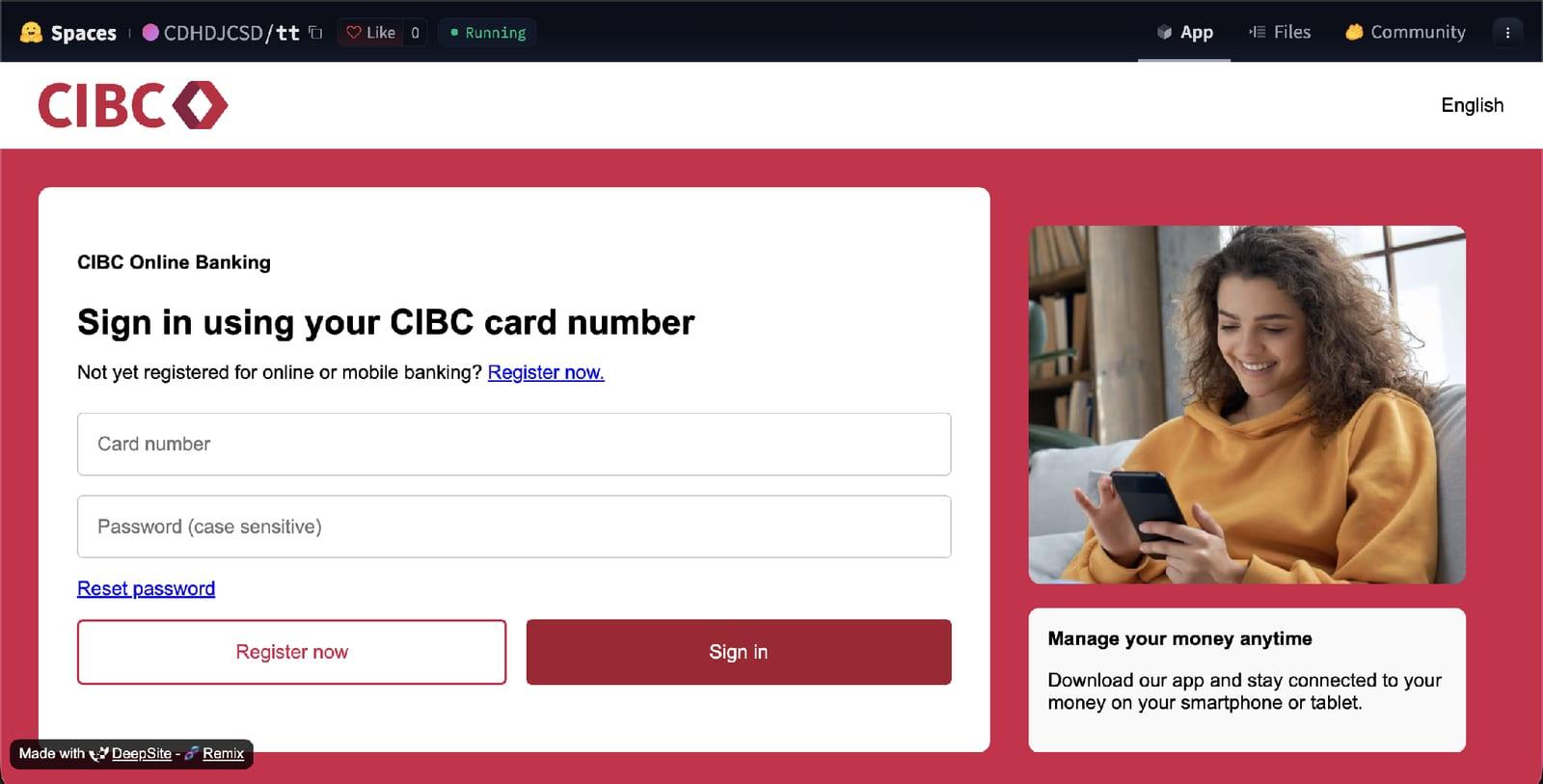
The pages copied 28 brands, including Microsoft, Google, PayPal, the US banks Chase and Bank of America, and the crypto exchange Coinbase. Aikido says 29 of the 42 were built with DeepSite. It reported all of them to Hugging Face on October 16, the day it found them, and by October 29 every one was paused or no longer publicly reachable. None is catching victims today, according to Aikido.
A login page on a trusted platform isn't proof the page is real.
Hugging Face is best known as the place where developers share AI models. Anyone can also publish a small web app there, called a Space, at an address ending in hf.space. DeepSite turns a plain-language description into such a page and publishes it.
How Aikido knows the AI built them
DeepSite leaves fingerprints. Every page it publishes gets a "deepsite" tag, and most carry a "Made with DeepSite" badge. Each change a user asks for is also saved as an entry in the page's public history, so Aikido could read the requests themselves.
For the fake Microsoft page, the history shows 15 changes, 14 of them made within 90 minutes on October 25, 2025. Every change after the first is an instruction to the builder, such as using the official Outlook sign-in background. "There's no sign the operator wrote any code," Aikido says. The builder copied Microsoft's logo and background "with no pushback," the company adds. The finished page sent the victim's email, password, phone number and date of birth to a Telegram chat bot, then forwarded them to the real Outlook so nothing looked wrong.
Across the pages, the requests were written in French, English, Hindi, Portuguese, Indonesian and Russian. Some asked the builder to hide the page from search engines and security scanners. One asked it to reject the first password typed, so the victim would enter it twice.
What the pages took
More than passwords. Depending on the brand, the pages asked for one-time sign-in codes, full card details, bank transaction passwords, phone numbers and dates of birth. Of the 42 pages, 25 sent what they collected to Telegram bots, 11 to Discord and 6 to online form services, according to the report. Infosecurity Magazine and Hackread reported the same figures.
Some pages stayed up a long time. Aikido says 23 had been published more than a year before it found them; the oldest went up on April 26, 2025. Those are publication dates, though, and Aikido had no visitor data, so nobody outside Hugging Face knows how many people typed anything in.
Infosecurity Magazine asked Hugging Face for comment and had no reply when it published. Aikido says the company took the report seriously and acted on it. A separate study by researcher Vicente Diaz also found DeepSite behind most brand look-alike pages on Spaces, 46 of 48 from the second half of 2025.
This is the second time in a week that Hugging Face has come up on this beat: on November 25 we covered how the AI hacking agent ARTEX planted fake models on the site.
My read: the problem is not Hugging Face alone. Aikido makes the same point, that any platform letting AI build and publish pages without checks will end up hosting phishing. Hugging Face is just where it looked.
What to do this week
- Read the address, not the logo. Aikido's advice in one line: "A login page on a trusted platform isn't proof the page is real." As Aikido puts it, Microsoft, Google or your bank will never ask you to sign in on hf.space.
- Go in through the front door. When an email asks you to sign in, open the company's site or app yourself instead of tapping the link. The US Federal Trade Commission (FTC) gives the same advice for every phishing message: contact the company "using a phone number or website you know is real."
- If you typed a password on a page like this, change it, sign out of all sessions and check recent sign-in activity. Many of these pages also captured one-time codes, so having two-step sign-in on does not mean the account is safe, Aikido warns. If you entered card or bank details, call your bank.
- Keep two-step sign-in on anyway. It makes a stolen password harder to use, the FTC says.
- Report it. Pages hosted on Hugging Face can be reported to security@huggingface.co, and phishing emails can be forwarded to the Anti-Phishing Working Group at reportphishing@apwg.org.
Sources
- Aikido Security: Attackers use Hugging Face's AI to make phishing pages (November 24, 2026) (aikido.dev)
- Infosecurity Magazine: Phishers Abuse Hugging Face's AI Site Builder to Spoof Big Brands (infosecurity-magazine.com)
- Hackread: Hackers used Hugging Face's AI site builder to create fake Microsoft login pages (hackread.com)
- US Federal Trade Commission: How To Recognize and Avoid Phishing Scams (consumer.ftc.gov)
Source: aikido.dev