Brazil's election saw an AI-made post every 40 minutes, most with no label
Fact-checkers counted 1,145 deepfakes in the 2026 campaign, 232 of them on candidates' own accounts despite a ban.
In brief
Brazil's election had an AI-made post every 40 minutes, a study finds
Fact-checking agency Agência Lupa confirmed 2,563 AI-made political posts in Brazil's 2026 campaign, 1,145 of them deepfakes of real people. 57% carried no AI label although the electoral court required one, and candidates' own accounts posted 232 deepfakes despite a ban.
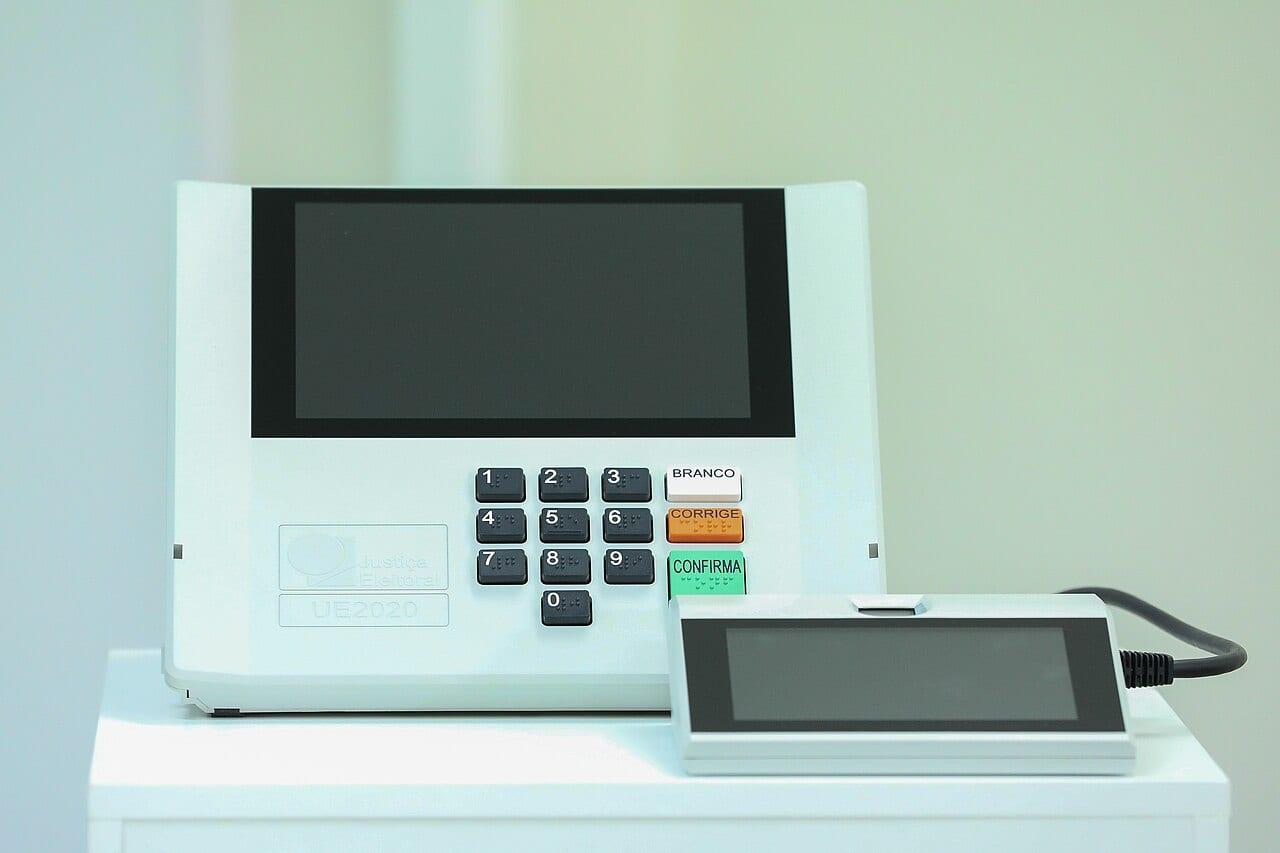
Brazil's 2026 election campaign produced a post made or altered with AI roughly every 40 minutes, and more than half of them carried no label saying so. That is the main finding of a report released on November 27 by Agência Lupa, a Brazilian fact-checking agency, which tracked AI content across seven platforms for the 72 days of the campaign.
Between August 16 and October 26, Lupa's VigIA project collected 2,683 suspicious political posts. Forensic tools from the Recod.ai lab at the University of Campinas (Unicamp) and a human review confirmed AI use in 2,563 of them. Of those, 1,145 were deepfakes: images, videos or voices made to show a real person saying or doing something they never did.
Brazil made progress by setting specific rules for the use of AI in elections, but the results show that regulation is not enough
The rules existed, and were broken anyway
Brazil's top electoral court, the TSE, allowed AI in campaign material for this election on one condition: voters had to be told, with a label or caption. Deepfakes were banned outright from official campaign advertising.
According to the report, 1,469 of the confirmed AI posts (57%) had no warning at all. Candidates' own official accounts published 232 deepfakes, and party profiles four more, according to Terra's account of the study. Most deepfakes, though, came from ordinary users (553) and anonymous or avatar accounts (336), about 78% of the total. That is the hard part for enforcement: it is difficult to punish an account when nobody knows who runs it.
"Brazil made progress by setting specific rules for the use of AI in elections, but the results show that regulation is not enough," Beatriz Farrugia, the Lupa researcher who led the study, said, according to Terra. She added that the authorities also need the technical means to spot violations, hold authors to account and act at the speed of a campaign.
| What VigIA found (Aug 16 to Oct 26, 2026) | Number |
|---|---|
| Suspicious posts examined | 2,683 |
| AI use confirmed | 2,563 |
| Deepfakes of real people | 1,145 |
| AI posts with no label | 1,469 |
| Deepfakes on candidates' official accounts | 232 |
| AI posts during the pre-vote blackouts | 235 |
Both sides, and the final 72 hours
The study did not sort accounts by left or right, and both presidential finalists were targets. Re-elected president Luiz Inácio Lula da Silva appeared in 929 AI posts and his runoff rival, senator Flávio Bolsonaro, in 452. Half of the posts about Lula were attacks on him; for Bolsonaro, promotion was the most common purpose, followed closely by attacks.
Brazilian law bans political advertising from 72 hours before each vote until 24 hours after it. VigIA still found 235 AI posts in those windows, 155 of them deepfakes, and the count rose from 64 in the first round to 171 in the runoff. The report also lists 27 deepfakes that used the faces and voices of well-known TV journalists to fake news reports and polls, and 47 posts with characters entirely invented by AI, some staged as street interviews with "voters".
Instagram carried the most (1,807 sightings), then Facebook (706), X (218) and TikTok (73). A single post can appear on more than one network.
What the numbers do not show
Lupa is careful about the limits of its own data, and so should we be. The 2,683 posts are the ones that looked suspicious to the team or to readers who sent them in, so the most convincing fakes may be missing. Audio-only clips were not analysed. And a confirmed AI post is not automatically false or illegal: much of it was ordinary campaign promotion, plus some satire. In 56 cases, three detection tools and human checks together could not reach a verdict.
The Unicamp write-up says the team wants AI detectors trained on Brazilian Portuguese, more ways for citizens to report content, more transparency from platforms and independent audits.
What it means for you
Plenty of countries now write AI labelling rules for elections, and Brazil's experience suggests a label rule only works if someone can enforce it at campaign speed. For voters anywhere, the lessons travel well. A missing "made with AI" label proves nothing, since most AI posts here had none. A clip of a news anchor announcing a poll is worth checking on the broadcaster's own site before you share it. And the last three days before a vote, when rules are strictest and fact-checks slowest, are when the fakes multiplied.
Sources
- Agência Lupa: VigIA report on AI in Brazil's 2026 elections (PDF, Portuguese) (uploads.agencialupa.org)
- Jornal da Unicamp: study identifies strategies of AI use in Brazil's elections (jornal.unicamp.br)
- Terra: TSE rules did not stop AI use in the 2026 elections, study says (terra.com.br)
- Observatório Lupa: the VigIA project (agencialupa.org)
Source: uploads.agencialupa.org