Kenya admits it has no AI budget as MPs worry about deepfakes before the 2027 vote
The ICT ministry plans to send an AI policy to the Cabinet by December and start drafting an AI law in January 2027.
In brief
Kenya's government admits it has no budget for AI as the 2027 election nears
Kenya's ICT ministry told a parliamentary committee on November 27 that the 2026/27 national budget has no money set aside for AI. It plans to send an AI policy to the Cabinet by December and start an AI law in January 2027, while MPs warn of fake images targeting politicians before the vote.
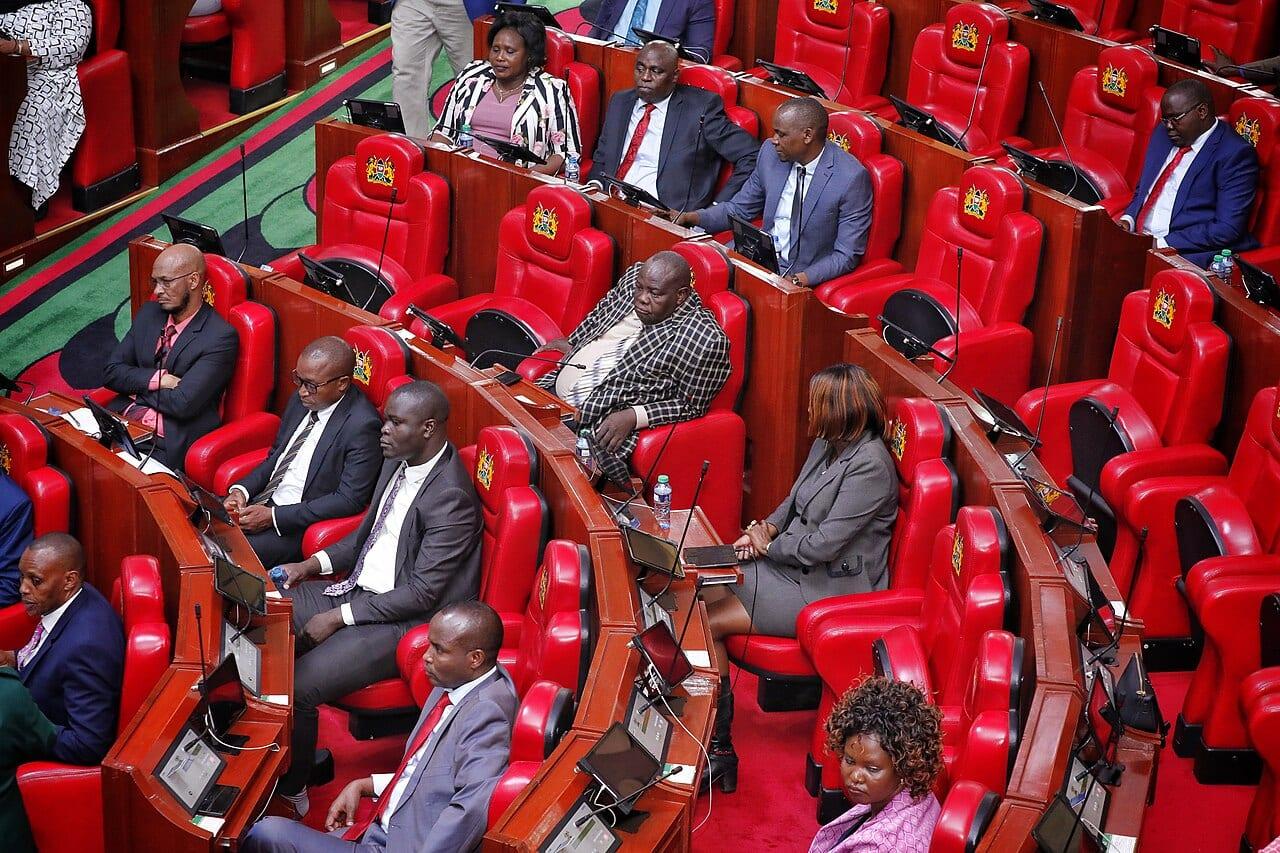
Kenya's national budget for 2026/27 sets aside no money specifically for artificial intelligence, the country's ICT ministry told lawmakers on November 27. Principal Secretary John Tanui made the admission before a National Assembly committee, months before a 2027 general election that MPs fear AI fakes could distort, People Daily reported.
The ministry said the gap could slow its own Kenya National Artificial Intelligence Strategy 2025-2030, and that it would look to the National Treasury and development partners for funds. In the meantime, it laid out a timetable for rules.
What is the realistic possibility of the death of traditional languages and tongues in Kenya specifically, and in Africa, from your observation?
A policy in December, a law after that
According to the statement Tanui presented to the Committee on Communication, Information and Innovation, the government plans to send a draft Kenya Artificial Intelligence and Other Emerging Technologies Policy to the Cabinet by December 2026. Work on an AI bill, with the Attorney-General's office, is due to start in January 2027, Kahawatungu reported.
The planned law would cover accountability, transparency, discrimination in automated decisions, human oversight and personal data. The ministry also said foreign companies that process Kenyans' personal information are already bound by the country's Data Protection Act of 2019.
There has been an attempt before. An AI bill sponsored by Senator Karen Nyamu, introduced in April, would have created an AI Commissioner's office. The Senate's ICT committee recommended that the Senate not proceed with it after 143 stakeholders sent comments, many of them arguing that national policy should come first.
| Step | When, according to the ministry |
|---|---|
| Draft AI policy goes to the Cabinet | By December 2026 |
| Work starts on an AI bill | January 2027 |
| Dedicated AI money in the national budget | None in 2026/27 |
The election worry
Much of the session was about the vote. Isiolo South MP Mohamed Tubi said politicians are already being targeted with fabricated images, and that manipulated material can wreck a reputation before the person targeted has a chance to reply.
Tanui agreed that AI could be used to impersonate political leaders and undermine trust in the vote. He said the government is working with the electoral commission (IEBC), the Communications Authority, the National Cohesion and Integration Commission and the police to detect and investigate manipulated content, and is asking tech platforms to make reporting and removal easier. The committee asked for monitoring that covers all 47 of Kenya's counties.
Committee chair John Kiarie, MP for Dagoretti South, raised a different fear: that AI built mostly in English could push out local languages. "What is the realistic possibility of the death of traditional languages and tongues in Kenya specifically, and in Africa, from your observation?" he asked the officials.
AI is already in government offices
None of this means Kenya's state is waiting for a law to use AI. The ministry listed tools already running: the Kenya Revenue Authority's Shuru chatbot, which helps taxpayers file through WhatsApp; AI-assisted chest X-rays the Ministry of Health uses to help detect tuberculosis; and a pilot at the Kenya Meteorological Department that uses AI for rainfall forecasts aimed at farmers.
The ministry also plans a sector-by-sector study of AI and jobs with the Labour Ministry, the national statistics bureau, employers and workers. One question it wants answered is whether automation is shrinking entry-level hiring for new graduates.
Why it matters beyond Kenya
Kenya's position is a common one: governments are already using AI while the law, and the budget, trail behind. South Africa's president gave his government 90 days to write a national AI plan earlier this month.
For Kenyans, little changes before the bill exists. Data handled by AI tools is covered by the 2019 data protection law now, and anyone targeted by a fake image or clip can report it to the platform and to the authorities. My read: the real test is the 2027 campaign, which looks set to run before any AI law is in force.
Sources
- People Daily: Govt admits Kenya has no dedicated AI budget despite growing risks (peopledaily.digital)
- Kahawatungu: Kenya plans AI law in 2027 as MPs raise concerns over misinformation, job losses (kahawatungu.com)
- Senate of Kenya ICT committee report on the Artificial Intelligence Bill, 2026 (libraryir.parliament.go.ke)
Source: peopledaily.digital