ChatGPT and Codex now help engineers with CAD, circuit boards and simulation
OpenAI says its two tools are being used across engineering work for the physical world, not only for software.
In brief
OpenAI takes ChatGPT into hardware design
OpenAI says engineers use ChatGPT and Codex for CAD, circuit boards and simulation. The excerpt gives no numbers or test results, so details are still thin.
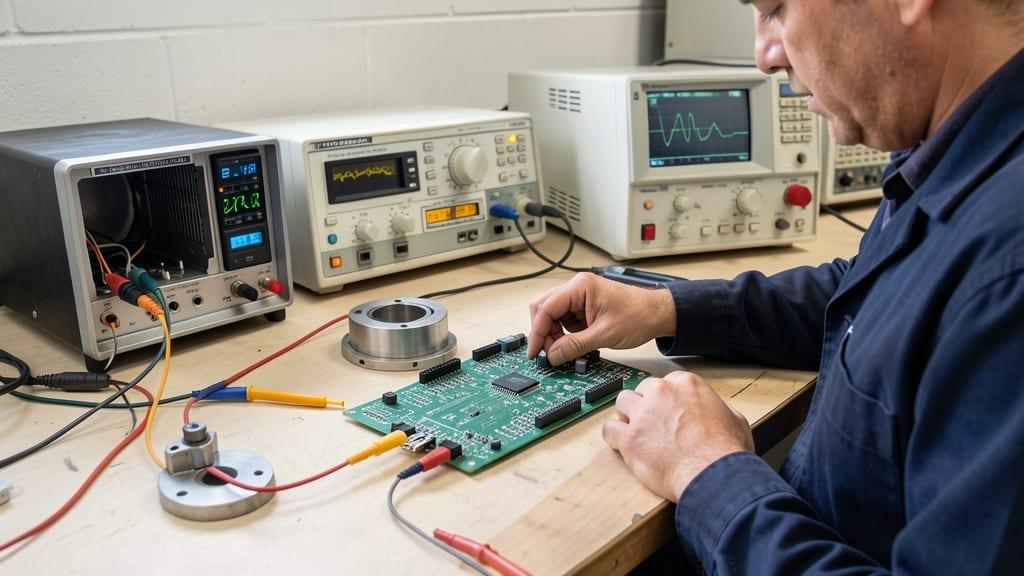
OpenAI has published a post describing how engineers use ChatGPT and Codex in work that ends up as real objects: parts, circuit boards and tested machines.
The source is OpenAI's own news page, so this is the company's account, not an outside test.
Where the tools show up
The excerpt names three kinds of work:
- CAD, short for computer-aided design. This is the software used to draw parts and products in 3D.
- PCB design. A PCB is a printed circuit board, the green board inside most electronics.
- Simulation. Engineers test a design on a computer before building it.
The post also mentions "other workflows" across the physical world, without naming them in the excerpt.
Why it matters
ChatGPT is best known as a chatbot. Codex is OpenAI's coding tool. Both have mostly been discussed in terms of text and software. This post places them in hardware and mechanical engineering, where a mistake costs materials and time.
Imagine an engineer who wants a first draft of a circuit layout, or help setting up a test run. That is the kind of job this points to. It is an imagined example, not one taken from the source.
The topic hint is agents, meaning systems that carry out multi-step tasks. Yet the excerpt does not say how much work the tools do on their own.
The limits are plain. The excerpt gives no numbers, no named customers, no time savings and no test results. It does not say which engineering tasks the tools handle well or where they fail. Treat it as a direction OpenAI is pointing to, and read the full post for the details.
Source: OpenAI News