CluSTER cut AI fine-tuning time by up to 69.6% using only 31% of the training data
KAIST's method groups look-alike training examples, keeps a sample from each group and shares the work across GPUs, with performance largely intact.
In brief
KAIST trimmed AI training time by 69.6%
CluSTER groups look-alike training data and keeps a sample of each. Models kept near-equal performance with about 31% of the data. Tests used 7B and 13B models on four GPUs.
A tool called CluSTER can shorten the extra training of a language model by up to 69.6%, while the model performs nearly as well. KAIST, the Korea Advanced Institute of Science and Technology, announced it on November 2. The team was led by Professor Jae-Gil Lee of its School of Computing. We know this from KAIST's release and from reports by Seoul Economic Daily and Digital Today.
The numbers
- Training time fell by up to 69.6%.
- Models kept largely the same performance using only about 31% of the data.
- Seoul Economic Daily and Digital Today both translate this into a job of 10 hours finishing in about 3.
The 10-to-3 line is a rounded way to read the figure. The precise claim is a cut of up to 69.6%.
What it does
Fine-tuning means giving a broadly trained AI extra lessons in one field, such as coding or medicine. It takes a lot of computing. Several GPUs, the chips that do the heavy maths, split the data and work in parallel.
If the data is split at random, the chips can end up chewing through examples that teach almost the same thing. Imagine a student redoing problems they already mastered. Much effort, little new learning.
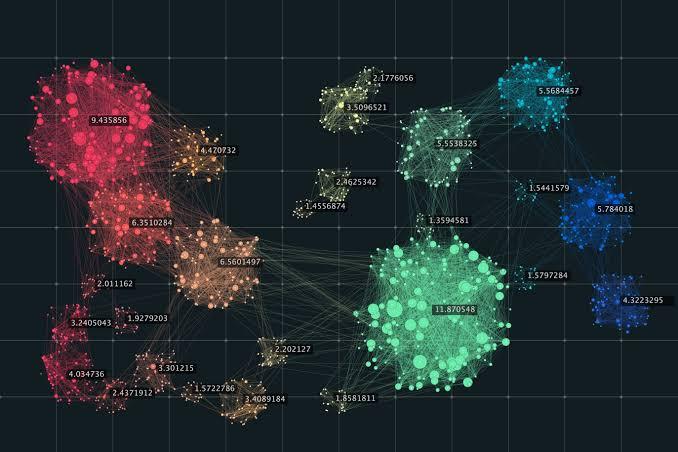
CluSTER first studies how each example affects learning and groups those with similar effects. Two problems can look different on the surface and still land in one group if they teach the same skill. The team then picks data from every group and spreads it across the GPUs, so the variety stays but the repetition goes.
How it was tested
The researchers fine-tuned models of about 7 billion and 13 billion parameters, the internal values a model adjusts as it learns. They used three coding and medical datasets on four GPUs. Results were checked on eight performance benchmarks.
Digital Today adds that the team also saw better results than existing methods on an eight-GPU setup. It reports that the work was presented in October at EMNLP 2026, a language-processing conference, with doctoral student Kim Hyun-jin as first author.
Why it matters
Lee said smart choices about which data to learn from matter, not just more GPUs. He said the work eases the training burden by using existing GPU resources better. KAIST expects it to help build task-specific AI, such as customer service or medical information lookup, faster and cheaper.
The sources disagree on one small point. Digital Today says KAIST announced on a Sunday. KAIST and Seoul Economic Daily give November 2.
The limits are clear. The main tests used four GPUs, two model sizes and coding and medical data. The sources do not show results for other fields, larger models or real company use, and they report performance as nearly the same, not identical.