Companies rehire staff after AI tools fail to meet expectations
Known as the AI boomerang, firms are bringing back employees after automated systems struggled with complex tasks.
In brief
Companies experience AI boomerang effect
Firms are rehiring staff after AI tools failed to handle complex tasks. Many roles require **critical thinking and human oversight** that machines cannot yet provide.
Companies across various sectors are quietly reversing job cuts made to accommodate AI adoption. While firms like Microsoft, Barclays, and Kroger initially trimmed staff to focus on automation, some are finding that their new digital systems cannot match human performance.
This phenomenon, dubbed the AI boomerang, happens when companies realize they need the skills they previously discarded. The frequency of these reversals remains unclear, but reports from recruitment firm Robert Half confirm that hiring managers in finance, marketing, law, and health are bringing workers back for roles once deemed redundant.
When you need critical thinking, collaboration, creativity, institutional knowledge, those are things that AI just can’t replicate.
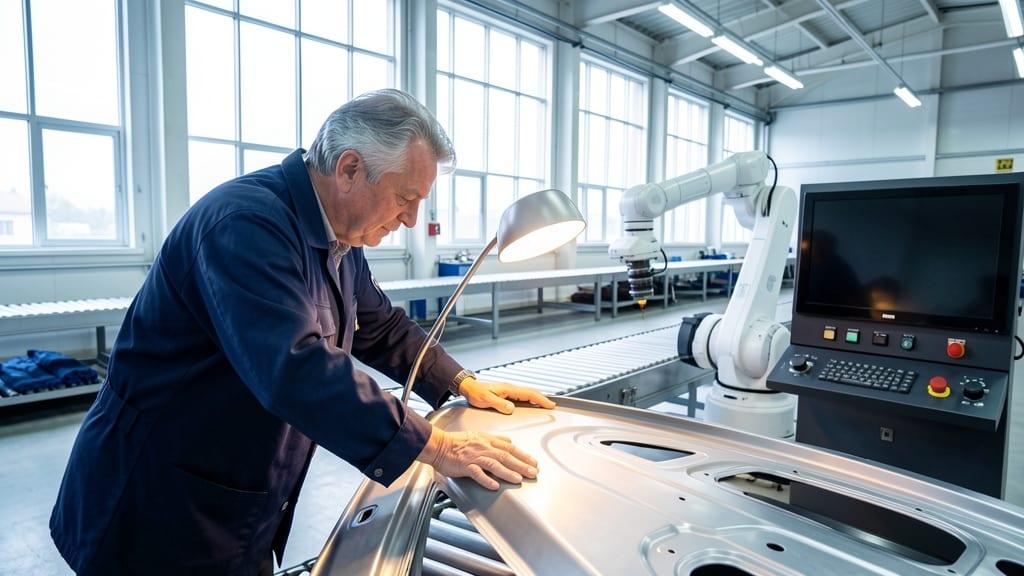
Ford serves as a notable example, having hired or promoted 350 veteran engineers in June. The automaker found that the AI tools it implemented for quality control fell short of the required precision, necessitating a return to human oversight.
Similarly, Klarna began rehiring customer service representatives after realizing its reliance on AI chatbots had compromised the quality of its support. The company acknowledged that the technology simply could not replicate the nuance of human interaction.
Experts note that companies often hide these U-turns to avoid admitting failure to shareholders. Replacing experienced staff with AI is sometimes presented as a strategic move, making a later return to human labor an embarrassing administrative retreat.
Why does this keep happening? According to hiring data, AI often fails to replicate critical thinking, collaboration, and deep institutional knowledge. These are essential human attributes that remain difficult to automate effectively.
Are businesses perhaps overestimating the maturity of these tools in complex environments? While AI can handle repetitive tasks, the need for human expertise in decision-making remains a significant barrier to full automation.
The sources do not provide a comprehensive global count of these reversals, nor do they detail the exact financial impact of these rehiring cycles on the affected companies.