Google Antigravity gained Cheminformatics Skills to search compounds and propose new macrocycles
Google DeepMind says the tools speed up drug discovery workflows, including designs for rigidified macrocycles.
In brief
Google's agent now proposes new drug-like rings
Google DeepMind says Antigravity, with Cheminformatics Skills, can search compounds and propose rigidified macrocycles. The aim is faster drug discovery. No lab results were shared.
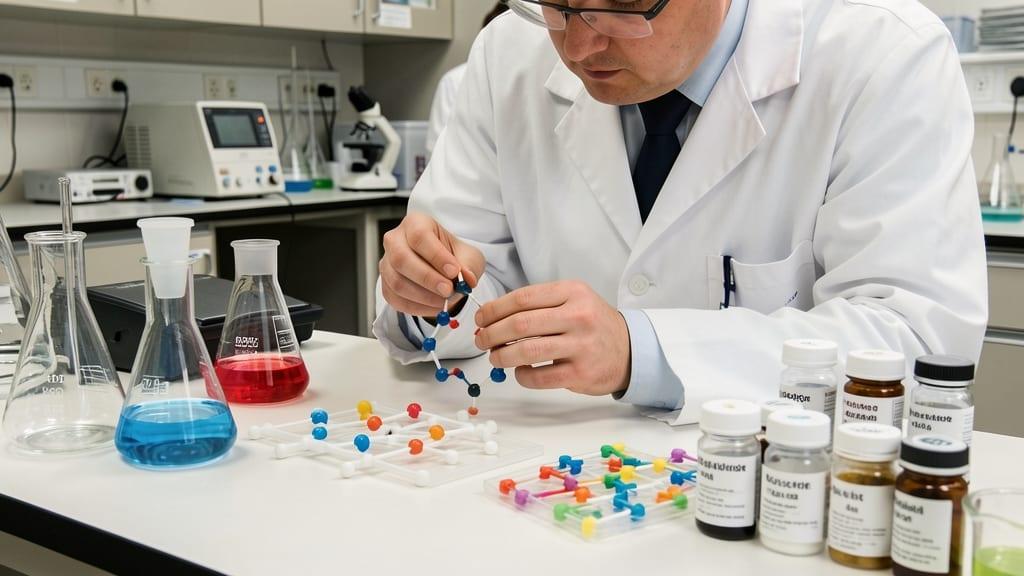
Google DeepMind has described how its Google Antigravity tool, paired with a set of Cheminformatics Skills, can help with drug discovery work. The source is a post on the company's own blog, published on 3 November 2026.
What it does
Cheminformatics means using computers to handle information about chemical compounds. Think of it as a searchable library of molecules, plus tools to study them.
According to DeepMind, the Skills let Antigravity do three things:
- speed up steps in drug discovery workflows
- search for compounds
- propose novel rigidified macrocycles
Why macrocycles
A macrocycle is a molecule built around a large ring of atoms. Rigidified means the ring is made stiffer, so it holds its shape. The source names these molecules as the target of the proposals, but the excerpt does not explain why they were chosen.
Imagine a chemist who wants to find compounds similar to a known one, then sketch new ring-shaped candidates. An agent that can run those steps could save hours of manual searching. That is an imagined case, not one from the post.
What would you hand to an assistant first: the searching or the sketching?
Limits
The source excerpt gives no numbers, no test results and no named partners. It does not say whether any proposed molecule was made in a lab or tested in patients. It shows what the tools are meant to do, not how well they did it.
Source: Google DeepMind Blog