Which big stores let AI agents shop for you, and who pays when they get it wrong
In a Visa test, AI shopping agents failed about 43% of their tasks, and only some card issuers cover their mistakes.
In brief
Amazon blocks AI shopping agents while Walmart lets them buy for you
Walmart and Sephora let AI agents such as Meta's Muse shop on their sites, while Amazon blocks them and eBay, Kohl's and United Airlines limit them. In a Visa test the agents failed about 43% of tasks, and who pays for their mistakes is still unsettled.
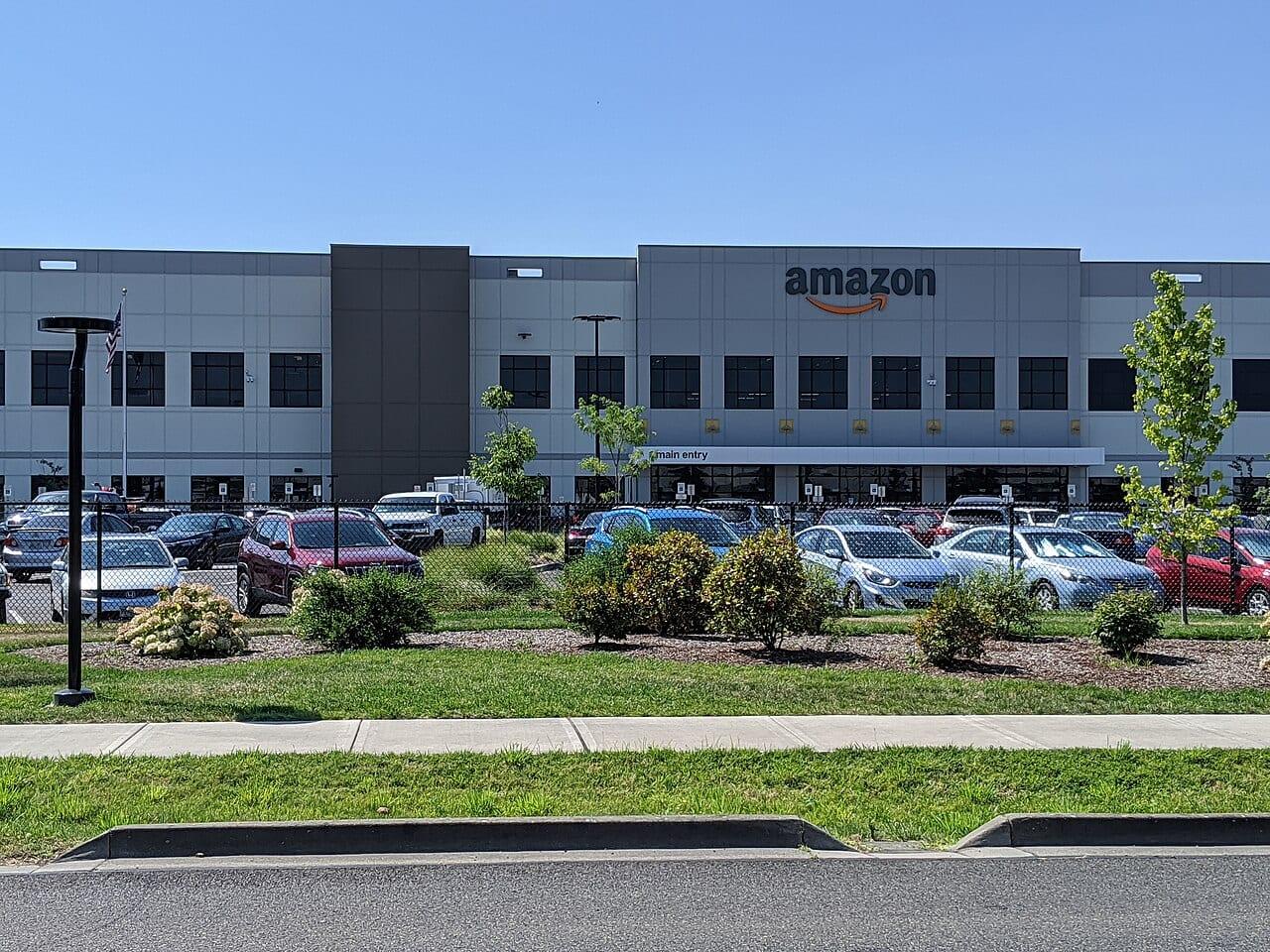
If you plan to let an AI agent hunt Cyber Monday deals for you on November 30, check where it is allowed to shop first. Walmart and Sephora let agents in. Amazon blocks outside agents entirely, and eBay, Kohl's and United Airlines limit or block them, CNBC reported on November 27.
An AI shopping agent is an assistant, such as Meta's Muse, OpenAI's ChatGPT or Perplexity's Comet browser, that can search stores and pay on your behalf. They are new and still clumsy, and the rules change from one website to the next.
Honestly, the most reliable path now is you ordering on Amazon yourself.
Where can an agent actually buy?
| Store or company | What AI agents can do there |
|---|---|
| Walmart | Browse and buy; it promoted Black Friday deals through Meta's Muse |
| Sephora | Its site is open to agents |
| Amazon | Blocks outside agents: Muse since September, Grok Bot since October |
| eBay, Kohl's | Limit what agents can do, or block them |
| United Airlines | Restricting AI bots, citing data security |
| Coach, Gap | Browse, but not check out |
| Target | Sometimes blocks agents by accident, an August audit found |
| Best Buy | Treats agent purchases "as if you performed them yourself" |
Sources: CNBC, CNBC on United. The picture is wider than these names. London software firm Human Forward tested ChatGPT, Gemini, Muse and other agents on 200 websites and found that about half of big retailers and popular brands do not let them shop, Bloomberg reported, according to The Next Web.
Amazon has gone furthest. It is also suing Perplexity over the Comet agent. An Amazon spokesperson said outside apps "such as Muse have the same obligations, and we've requested that Meta remove Amazon from the experience," CNBC reported earlier this month. Its chief executive, Andy Jassy, says Amazon expects to work with outside agents "over time", if the deal suits both sides.
How often do they get it wrong?
Often enough to matter. In a Visa study cited by CNBC, 22 AI models from 12 labs were sent to buy things like a TV, a laptop and a hair appliance. They failed about 43% of the runs, and in more than half of those failures the agent still bought something that did not match what the customer asked for.
Maia Bittner, chief product officer at the payments startup Imprint, asked Muse to buy windshield wipers from the car parts chain AutoZone. About 17 hours later the agent told her AutoZone had cancelled the order. Its advice: "Honestly, the most reliable path now is you ordering on Amazon yourself." Even the robot knows where the checkout works.
Shoppers seem to have noticed. A Morning Consult poll for Visa found that 54% of adults have used AI for at least one shopping task, but only 23% trust it to make payments for them, The Next Web reports. Agent purchases made up just 0.4% of global online shopping transactions, according to Bain & Company.
Who pays when the agent messes up?
Nobody agrees yet. American Express said in April it would protect eligible customers "from charges related to AI agent error". Stripe, whose Link wallet works with Muse, offers a "refund guarantee" on some agent purchases. Best Buy says the purchase is yours. JPMorgan Chase blocked outside agents from acting for its customers in October, citing security, and Citi warned customers that losses can be theirs if an assistant holding their bank login is hacked, as the site reported.
Outside the US
Most of this is American for now, but it is spreading. In the UK, a test run under the Financial Conduct Authority, the country's financial regulator, let Papa John's own AI agent take an order and collect payment for nine mini margherita pizzas straight from a Lloyds bank account, with no card number shared and a spending cap per order and per month, The Guardian reports. Muse launched in the UK on November 24 and pays with a bank card.
What to do before you hand over your card
- Check the store first. If an agent cannot check out at the shop you want, it may push you to another one. Bittner says Muse once suggested a plush toy marked 75% off from a store she had never heard of, which did not appear to have any reviews.
- Read the seller's name before you approve any order.
- Set a limit. Use a card or virtual card with a low spending cap, the same idea as the UK pizza test.
- Ask your card issuer whether it covers mistakes made by an AI agent. American Express is one that has said it does, for eligible customers.
- Never give an agent your bank login. Banks say that can make the loss yours.
- Buy the expensive things yourself. An agent is a decent search tool for a TV; let it find the deal, then click buy on your own.
The site covered Walmart's deal with Meta last week: Walmart now lets Meta's Muse agent buy Black Friday deals for you.
Sources
- CNBC: AI shopping agents are having a moment, but Amazon and a growing number of sites threaten to stunt their growth (November 27, 2026) (cnbc.com)
- The Next Web: Shoppers ask AI for Black Friday deals, but few let the bots pay (thenextweb.com)
- CNBC: United Airlines moves to block AI agents from its platform over security concerns (cnbc.com)
- CNBC: For JPMorgan, Amazon, resisting AI bots like Meta Muse won't be easy (cnbc.com)
- The Guardian: AI agent's cardless purchase is a first for UK (theguardian.com)
Source: cnbc.com