Australia's new law lets people sue AI chatbot makers over harm
The Digital Duty of Care passed Parliament on November 25 and covers chatbots, games and social media, with fines of up to 5% of global revenue.
In brief
Australia passed a law that lets people sue AI chatbot makers over harm
Australia's Parliament passed the Digital Duty of Care law on November 25. AI chatbots, games and social media must prevent foreseeable harm or face fines of up to 5% of global revenue, and people harmed by a breach can sue. It starts 12 months after Royal Assent.
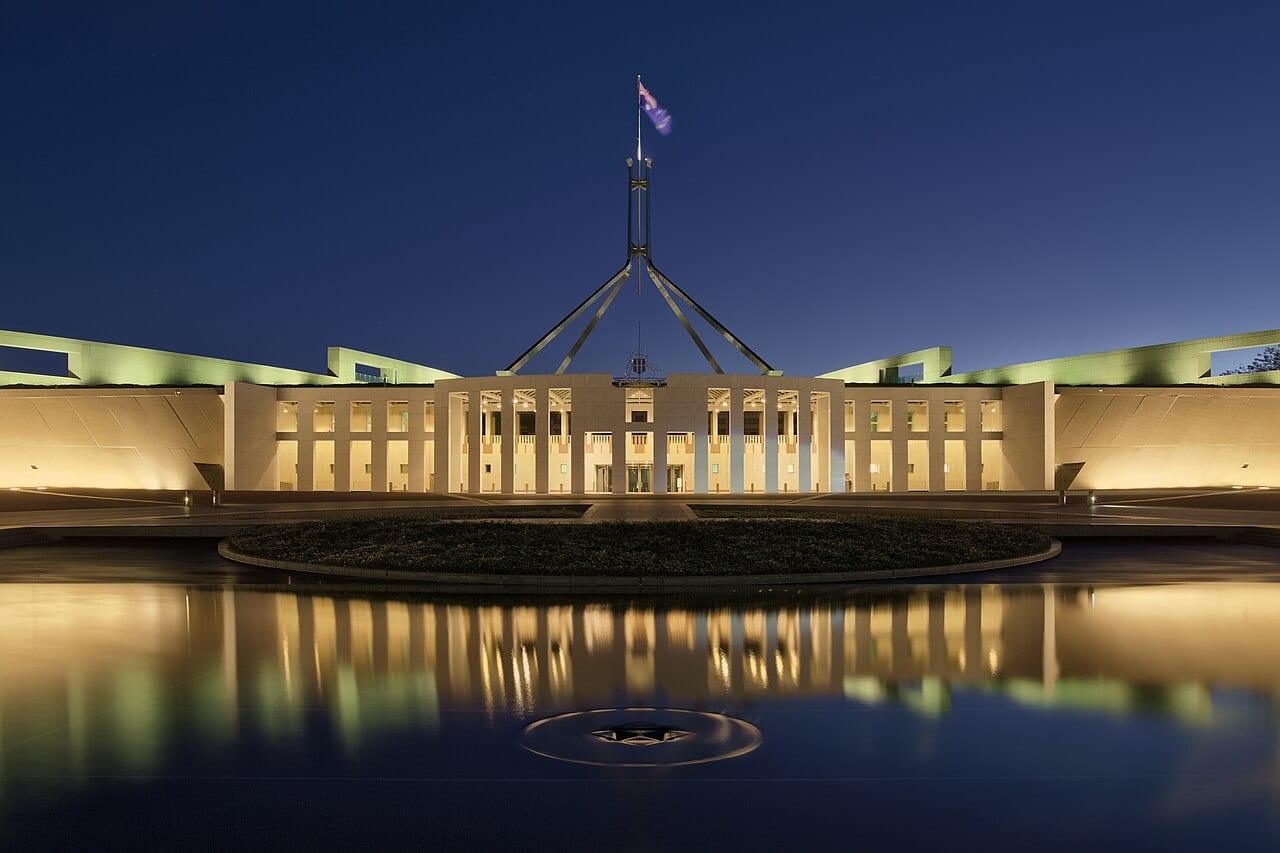
Australia's Parliament passed the Digital Duty of Care law on November 25, 2026. It makes online services, AI chatbots included, responsible for preventing harm they can see coming, with fines of up to 5% of a company's global revenue. It also gives people a right to sue a chatbot maker whose failure helped cause them loss or damage.
The final vote in the House of Representatives was 97 to 43, the Associated Press reports, after the Senate approved the bill 36 to 23 under a deal between Prime Minister Anthony Albanese's Labor government and the Greens. Communications Minister Anika Wells called it "a landmark safety reform in the vein of compulsory seatbelts, plain packaging for cigarettes and gun reform." The site covered the bill when the House first passed it; this is the version that cleared both chambers.
These are not monsters under the bed. We are worried about the phone under the pillow.
What does the law ask of a chatbot?
The government says games, apps, social media platforms and AI chatbots must protect Australians from seriously harmful material and conduct, and make sure their own features do not cause harm. The law reaches almost any service people in Australia can use online, MediaNama's reading of the text shows, including "services that generate material using artificial intelligence."
Companies have to assess their risks at least once a year and before any major change. Money is no excuse: the law states that "the cost of the action or measures must not be taken into account."
For users under 18, one item on the list of harms reads like it was written with companion apps in mind. Platforms must protect children from material that "simulates emotional intimacy" and builds a child's dependence on it "in place of human relationships." The eSafety Commissioner, Australia's online safety regulator, can also open test accounts to check whether a service, an AI tool included, lets users generate illegal material.

Who can sue, and for what?
Individuals and groups can take a provider to court if its breach of the duty "substantially contributes" to their loss or damage. A harmful chat on its own does not prove a breach. According to the explanatory memorandum, quoted by CryptoSlate, courts will look at how the company handled risks it could reasonably foresee, and whether it put working safeguards in place.
A court can award damages, including for emotional distress, order the company to change course, or order it to apologize. The cost rules lean toward users: a platform that loses pays the user's legal costs, while a user who loses does not pay the platform's, unless the case had no reasonable basis. Children get extra time. A claim can be filed until the person turns 21 or until six years after the harm, whichever comes later.
Wells does not expect a flood of cases. "We imagine that usage of the private right of action will remain fairly rare, as it has been in other jurisdictions," she said.
| Digital Duty of Care | |
|---|---|
| Passed Parliament | November 25, 2026 |
| Final House vote | 97 to 43 |
| Maximum fine | 5% of global revenue or A$109.2 million (about $72 million), whichever is greater |
| Duty and right to sue start | 12 months after the law is formally signed (Royal Assent) |
| New powers against nudify apps | the day after Royal Assent |
| Deadline to sue | age 21, or six years after the harm, whichever is later |
Not everyone is cheering
Opposition leader Angus Taylor told Parliament he would repeal the law if his Liberal Party wins the 2028 election. "This bill is a blank check for political censorship," he said. The US ambassador to Australia, David Brat, wrote on social media that "Vaguely defined 'harms,' backed by penalties of up to 5% of global revenue, will push platforms to censor lawful speech." The Australian Human Rights Commission had warned that broad harm categories could lead services to remove lawful material.
Wells answered the critics with a line about children. "These are not monsters under the bed. We are worried about the phone under the pillow."
The AP compares the law to the European Union's Digital Services Act and the UK's Online Safety Act. Wells said the 5% ceiling sits between Canada's 3% and the EU's 6%.
What it means for you
If you live in Australia, nothing changes today. The duty and the right to sue start 12 months after Royal Assent, which was still pending on November 26. Until then, harmful content can be reported to eSafety, which can order platforms to take it down.
Outside Australia, nothing applies to you directly. My read: the part to watch is the right to sue. Chatbot makers that serve Australians will soon have to show a judge what they did about risks like a teenager growing dependent on a bot, and the evidence they keep for that will exist whether or not their other markets ask for it.
Sources
- Minister for Communications Anika Wells: Australia's Digital Duty of Care becomes law (minister.infrastructure.gov.au)
- Department of Infrastructure, Transport, Regional Development, Communications, Sport and the Arts: Digital Duty of Care law passed (November 27, 2026) (infrastructure.gov.au)
- AP: Australia passes online safety law, putting Big Tech at risk of multibillion-dollar fines (apnews.com)
- MediaNama: How Australia's new online safety law will change social media, AI chatbots and app stores (medianama.com)
- CryptoSlate: Australia passes bill that would let people sue AI chatbot providers (cryptoslate.com)
- TNW: Australia passes online safety law letting users sue big tech (thenextweb.com)
Source: minister.infrastructure.gov.au