DeepMind spinout Isomorphic Labs raises $5 billion to design medicines with AI
Isomorphic Labs says its drug candidates have shown positive preclinical results, but laboratory progress is not proof of a treatment for patients.
In brief
Isomorphic Labs raised $5 billion for AI-designed drugs that are not yet in human trials
Isomorphic Labs, a company spun out of DeepMind, raised $5 billion to design medicines with AI and move its drug candidates toward human trials. It says they have shown positive preclinical results, but lab progress does not prove a treatment works in people.
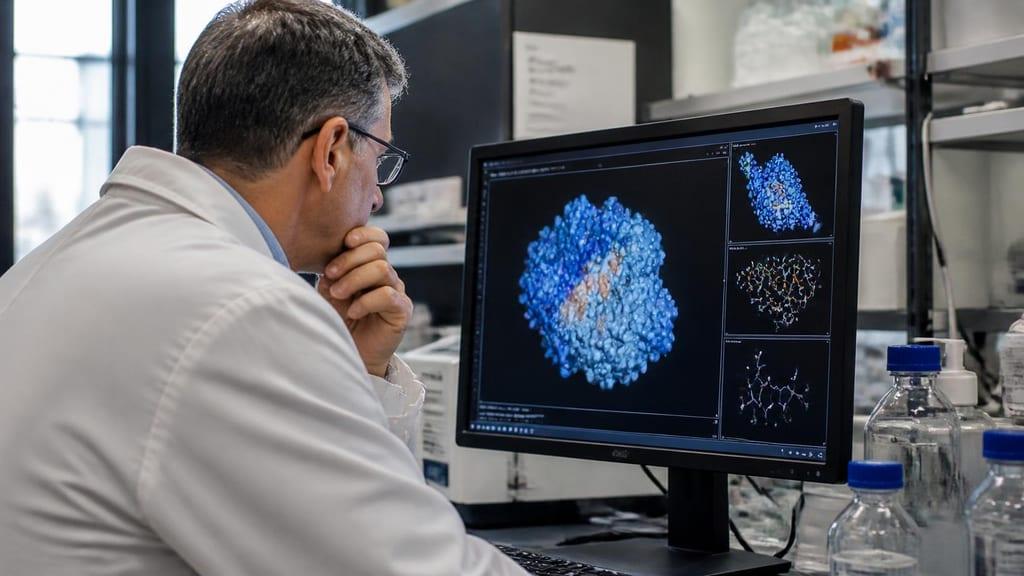
Isomorphic Labs, an AI drug-discovery company spun out of Google's DeepMind, has raised $5 billion as it works toward taking drug candidates into clinical trials.
The Series C round was co-led by Greenoaks and Sequoia Capital. Isomorphic did not disclose its new valuation, TechCrunch reported. The company previously raised $2.1 billion in a Series B round in May.
What the AI does
Isomorphic uses AI models and simulations to help researchers explore chemistry and design potential medicines. Its work builds on research associated with AlphaFold, DeepMind's system for predicting protein structures. The company has partnerships with pharmaceutical firms including Eli Lilly, Novartis and Johnson & Johnson.
Isomorphic says its programmes have produced positive preclinical results in oncology and immunology. Preclinical work comes before human clinical trials; promising results at this stage do not establish that a medicine is safe or effective in people. Drug candidates can fail at later stages.
Founder Demis Hassabis recently left his role leading DeepMind to focus on drug discovery, while moving into a chairman role there. For patients, the practical question is not the size of the investment but whether any candidate eventually passes the studies and regulatory checks required for an approved treatment.
Sources
Source: techcrunch.com