Abu Dhabi turns its rules into code AI can read, so some permits could take minutes
With OpenAI, the emirate launched a Machine-Readable Government system. Routine applications get checked by AI against the exact clause, while officials keep the final say.
In brief
Abu Dhabi and OpenAI launch a system where AI checks permit applications around the clock
With OpenAI, Abu Dhabi is converting its rules into a format AI can apply, so routine applications are checked against the exact clause around the clock and some permits could take minutes instead of days. It starts with food imports, runs on servers inside the UAE, and officials keep the final decision.
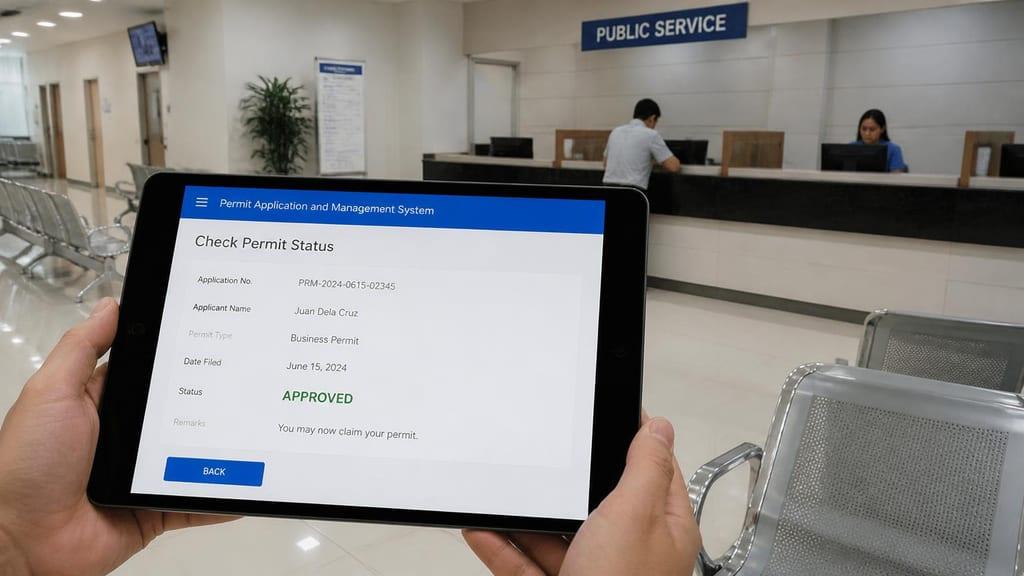
Abu Dhabi has teamed up with OpenAI to turn a set of its laws, policies and regulations into a format AI systems can read and apply. The goal: routine applications, like some permits and certificates, checked in minutes instead of days. The initiative, called Machine-Readable Government (MRG), was announced on Monday, November 9.
How it works
When we set out to build the world's first AI-native government, we knew that applying AI to old processes would only take us so far.
Written rules are converted into a structured format. When someone submits an application, the system checks the case against the relevant rules and gives an outcome linked to the exact regulation or clause behind it. That creates an audit trail, so an official can see why the system reached its result.
Routine cases can be processed around the clock. Officials still set the standards, review complex applications and take responsibility for final decisions. The government says the system is not meant to make decisions on its own in high-stakes cases or in cases that affect people's rights, eligibility or access to essential services.
Where it starts
The first application is already running at the Abu Dhabi Agriculture and Food Safety Authority, for food imports. It was built with Inception42, a G42 company. Next on the list are construction permits, business and freelance licences, data access rules, HR compliance and government procurement.
Processing happens inside the UAE. OpenAI's models run on GPUs in UAE data centres, under UAE cybersecurity standards and Abu Dhabi law, and the government keeps ownership of the data. According to the announcement, that data will not be used to train AI models.
Ahmed Tamim Hisham Al Kuttab, chairman of Abu Dhabi's Department of Government Enablement, which leads the project, explained the thinking:
When we set out to build the world's first AI-native government, we knew that applying AI to old processes would only take us so far.
OpenAI chief Sam Altman said Abu Dhabi "has set a new standard for AI-enabled public services".
Why it matters
Abu Dhabi wants to become the world's first AI-native government by 2027, and the UAE federal government is working on a plan to move half of its services and operations to AI agents within two years. MRG is the less flashy part of that push: before an AI can approve a permit, the rules themselves have to be clear enough for a machine to follow. Officials also say the format could reveal overlapping or conflicting rules between departments.
The open questions are practical ones. How often will the AI be wrong on a routine case, how easily can an applicant appeal, and which cases count as "high-stakes"? The first results from food imports should give early answers.
Sources
Source: gulfnews.com