Undisclosed AI use affected at least 25 court cases in England and Wales this year
One police officer asked Microsoft Copilot to make a victim's statement "make a judge or reader weep", and a barrister cited a ruling that never existed.
In brief
Hidden AI use caused problems in at least 25 court cases in England and Wales this year
The Bureau of Investigative Journalism found at least 25 cases in England and Wales in 2026 hit by undisclosed AI use, including invented case law and laws that do not exist. In one, a police officer asked Microsoft Copilot to write a victim's statement that would make a judge weep.
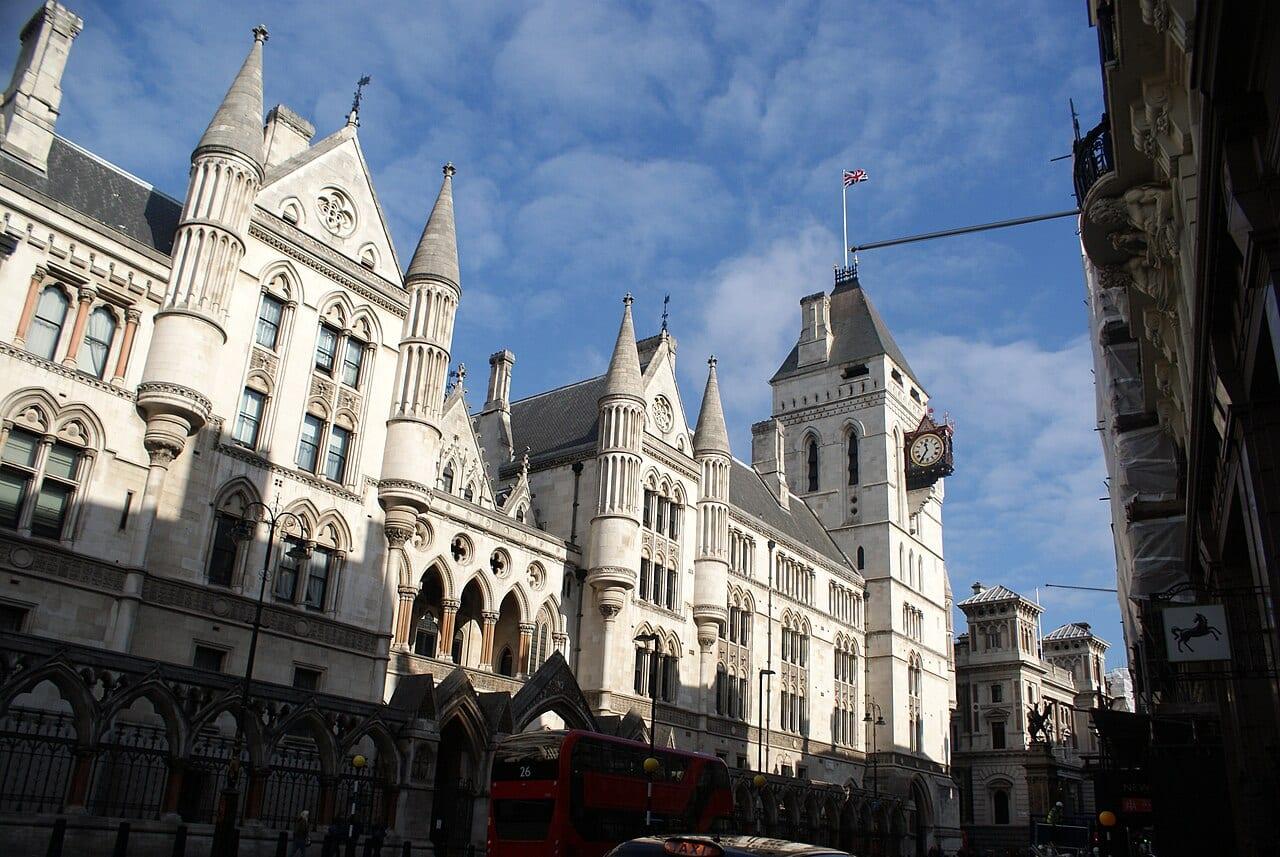
A police officer asked Microsoft Copilot to turn a victim's interview into a statement that would "make a judge or reader weep". A barrister in a $21 million (£16 million) dispute between two Nigerian oil companies cited a ruling that no judge ever wrote. Both are among at least 25 court cases in England and Wales this year in which undisclosed AI use caused problems, according to a review of published judgments by the Bureau of Investigative Journalism (TBIJ), reported with the Guardian on November 26.
What the investigation found
no police officer should ever prepare a witness statement of any kind in this way
The cases include invented case law, quotes from laws that do not exist and witness statements written with chatbots. In a high court dispute between tax lawyers, the judge called the use of "generative AI hallucinations" (confident answers an AI makes up) "unacceptable". A senior insolvency judge, Mark Mullen, found that a junior solicitor had taken a quote from a fictitious statute that a chatbot produced, and wrote that "AI has the potential to be wholly unreliable".
Professionals are not immune. In February, the Crown Prosecution Service, which brings criminal cases in England and Wales, apologised for citing made-up case law that it later said had probably come from an AI tool. On November 3, the Guardian reported a second case in which a CPS prosecutor cited an imaginary precedent.
The count of 25 is a floor. It only covers published judgments, and Matthew Lee, a barrister at Doughty Street Chambers who tracks AI in the courts, told TBIJ that most UK judgments are never published.
The statement written to make a judge weep
The police case shows how far this can go. In a Court of Appeal judgment of September 22, the judges described how an officer uploaded a transcript of a domestic violence victim's interviews to Copilot and asked for "the most impactful victim personal statement possible", the statement in which a victim tells the court how a crime affected them. The officer added: "Your goal is to achieve the highest sentence and the most tear-jerking VPS to make a judge or reader weep when reading."
The three judges wrote that "no police officer should ever prepare a witness statement of any kind in this way", and that no statement made this way should ever be relied on in a criminal case. They found that the facts the sentencing judge used came from the victim's own interview, so the AI-written statement did not make the sentence longer, and they dismissed the appeal. Derbyshire Police told the BBC that it has opened a criminal investigation into an allegation of perverting the course of justice through the alleged use of AI to create evidence in a number of cases. The officer has been removed from frontline duties, and no arrests have been made.
Why it hurts even when nobody lies
Many of the cases involve people representing themselves without a lawyer, according to the Guardian. Brett Dixon, president of the Law Society, which represents solicitors, said AI is also flooding judges with paperwork: "You go from three pages from a lawyer … using human judgment to a rambling 60 pages from a commercial AI."
There is a second problem. TBIJ found cases in which people claimed that real evidence against them was made by AI. In one high court family case, a judge said they could not decide whether a video was genuine or "faked" with AI. Lord Sales, a Supreme Court justice, put the long-term risk this way: "The greater long-term danger is that human beings gradually lose the ability to know whether it has got the answer wrong."
What are the courts doing about it?
In October, the Civil Justice Council, which advises on civil court rules, recommended that witnesses in civil cases sign a declaration that no AI tool generated or shaped the substance of their statement. It also called for urgent guidance for people who represent themselves. The Ministry of Justice told the Guardian it is "taking steps to ensure any use of the technology is safe, appropriate, and properly controlled."
What it means for you
This is a UK investigation, but the tools are the same everywhere, and so is the trap. If you use a chatbot for a dispute with a landlord, an employer or a court:
- Look up every case and law it cites in an official database before you rely on it. If you cannot find it, leave it out.
- Write your own witness statement in your own words. A chatbot that makes it "more persuasive" can put things in your mouth you did not say, and a judge who spots that may trust none of it.
- Expect to be asked about it. Under the Civil Justice Council's proposal, witnesses in civil cases in England and Wales would have to declare that AI did not shape their statement, and in April a high court judge said he would treat statements drafted with help from a "digital assistant" "cautiously".
Sources
- The Bureau of Investigative Journalism: AI is throwing the court system into disarray (November 26, 2026) (thebureauinvestigates.com)
- Court of Appeal (Criminal Division): R v Jerome Gibson 2026 EWCA Crim 1302 (September 22, 2026) (serjeantsinn.com)
- The Guardian: Dozens of court cases in England and Wales affected by undisclosed AI use in 2026 (November 26, 2026) (theguardian.com)
- BBC News: Court rejects sentence appeal after police officer used AI to create statement (bbc.co.uk)
- Civil Justice Council: Use of AI for the preparation of court documents (October 2026) (judiciary.uk)
- The Guardian: CPS prosecutor cites imaginary case to court after AI search (November 3, 2026) (theguardian.com)
Source: thebureauinvestigates.com