An AI camera mistook a bag of chips for a gun, and four handcuffed teenagers are suing
The students say Baltimore County schools, the police and AI maker Omnilert ignored clear signs there was no weapon, and sent armed officers anyway.
In brief
Four teenagers handcuffed over an AI gun alert sue the AI maker, schools and police
An AI camera told a Maryland school there was a 90% chance of a gun. It was a bag of chips. Staff cancelled the alert, but armed police still handcuffed four Black teenagers, who are now suing AI maker Omnilert, Baltimore County schools and the police.
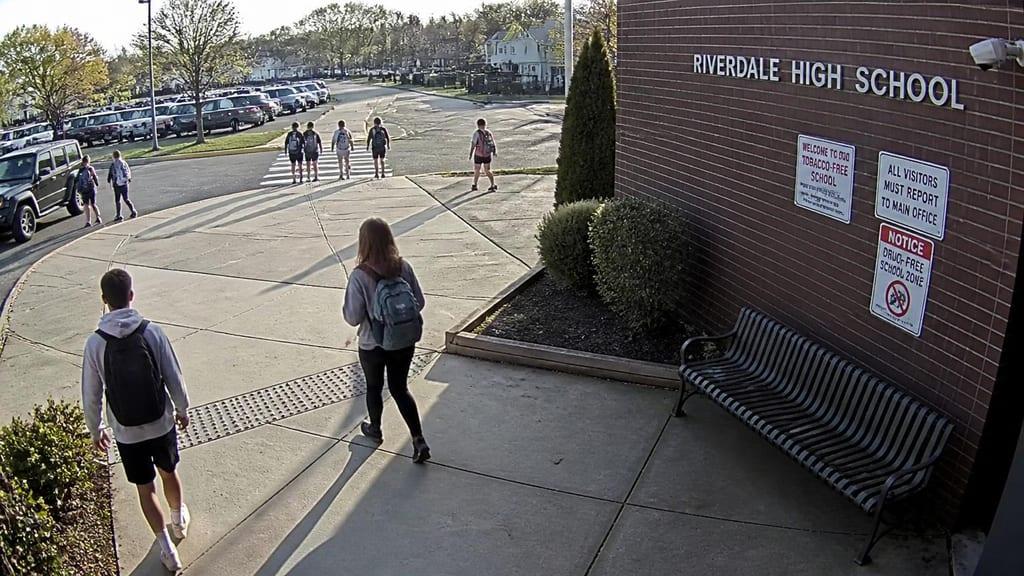
Four Black current and former students in Baltimore County, Maryland, have sued the company behind an AI gun-detection system, their school system and the county police, after the software mistook a bag of chips for a firearm.
The case, Allen et al. v. Omnilert et al., was filed on November 17 by the Lawyers' Committee for Civil Rights Under Law on behalf of Taki Allen, Yui-Osa Ogbeide, Devon Thompson Jr. and Keith Winfield III.
Overreliance on artificial intelligence technology mixed with inept communication and coordination among key officials is a toxic mix
What happened
In October 2025, Omnilert Gun Detect, an AI system that watches school security cameras across Baltimore County Public Schools, flagged a teenager's bag of chips at Kenwood High School as a gun. According to the lawsuit announcement, the system told the school there was a 90% probability of a gun on campus.
School staff and police then looked at the image and decided it was a mistake, and the alert was cancelled. Armed officers were sent anyway. They surrounded the teenagers steps from the school entrance, ordered them to their knees, handcuffed them and searched them. They had done nothing wrong.
The students' lawyers say officials knew the system regularly produced false alerts, and that the school and police had no rules to stop a cancelled alert from still triggering an armed response.
"Overreliance on artificial intelligence technology mixed with inept communication and coordination among key officials is a toxic mix," said Damon Hewitt, president of the Lawyers' Committee.
Freida Winfield, Keith's mother, was on her way to pick the boys up when it happened. "No child in Baltimore County should face this kind of danger while waiting outside his own school for a ride home from his mother," she said.
What the students want
The lawsuit asks the court to force changes: schools and police must check AI alerts before acting on them, decide whether this kind of technology belongs in schools at all, and write rules so that false alarms don't lead to armed police.
What we don't know yet
These are the students' claims. Omnilert, the school system and the police have not yet given their side in court, and a judge will decide what is proven.
The case matters well beyond Maryland. Schools, malls and stadiums are buying AI cameras that promise to spot weapons. A 90% score sounds like certainty, but it is only the software's guess. When nobody has a clear rule for what happens after a human says "false alarm," the guess can still put a child on the ground in handcuffs.
Sources
Source: lawyerscommittee.org