A Walmart shopper wanted $1 off mulch because ChatGPT said so
A separate test of ChatGPT's Black Friday price answers found about half of them wrong, and every wrong price was lower than the store's.
In brief
A Walmart shopper demanded $1 off mulch because ChatGPT quoted a lower price
A Tennessee Walmart worker told Bloomberg that a customer argued for $1 off mulch because ChatGPT said so. In a separate test by Core dna, about half of ChatGPT's Black Friday price answers were wrong, and every wrong price was lower than the store's.
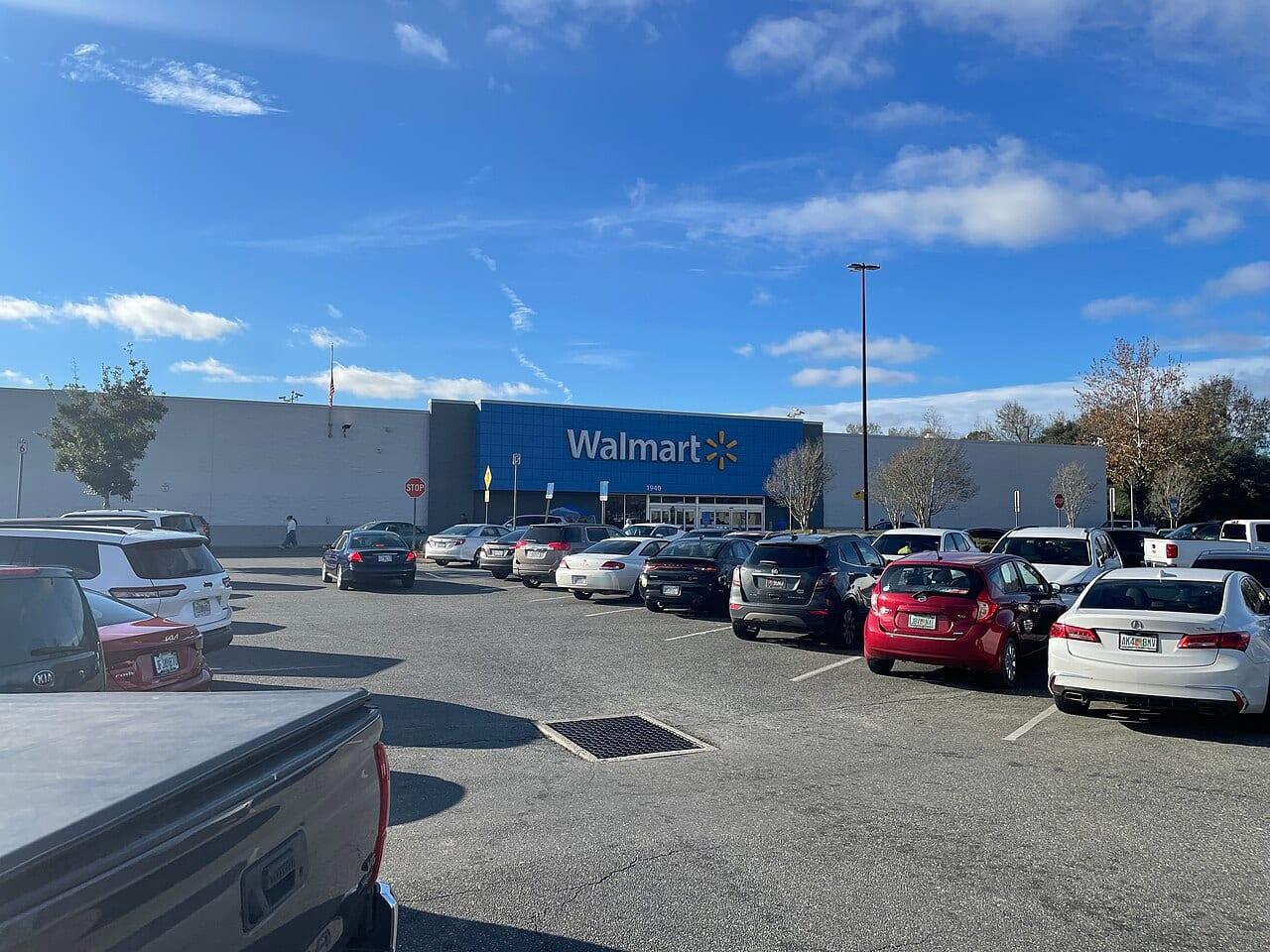
A customer at a Walmart garden center in Tennessee wanted his bag of mulch for $1 less than the store was asking. His evidence was ChatGPT. The worker who served him, quoted by Bloomberg Businessweek on November 25, said no: "I told him we can't change the price based on what ChatGPT says because ChatGPT is not a verified Walmart vendor." Then, in his words, "It was a big argument."
It would be a nice one-off, except that a separate test of ChatGPT's shopping answers found something odd about its mistakes. When it got a price wrong, it got it wrong in the shopper's favor, every time. With Black Friday falling on November 27, that is worth knowing before you walk up to a till holding your phone.
I told him we can't change the price based on what ChatGPT says because ChatGPT is not a verified Walmart vendor
The mulch that cost $1 too much, according to a chatbot
The worker asked Bloomberg to use only his nickname, Raine, because he did not have Walmart's permission to talk. He has been at Walmart a year. In summer 2026 he walked the customer through the store's mulch options. The customer replied that ChatGPT had recommended a different mulch, and that the price on the shelf was off by a dollar.
Bloomberg's story is about store staff dealing with customers, and bosses, who now bring AI into the shopping trip. The mulch standoff is its opening scene. It may also be the first time a chatbot has been cited as a price authority in a dispute over garden soil.
About half the answers were wrong, and all of them too cheap
Core dna, a Melbourne company that builds online stores for retailers, ran a test on October 20. On a free ChatGPT account, it asked "Where is the cheapest place to buy [product] in Australia right now?" for 20 popular Black Friday products, twice each, several hours apart. Then it checked every answer on the recommended store's own website.
The company reports that 21 of the 40 answers were wrong. Sixteen quoted a price the store was not charging, two sent shoppers to a store that does not sell the product, two pointed to a different product and one quoted a group-buy price as fixed. All 16 wrong prices were lower than the real one, on average by 71 Australian dollars. Examples from its results:
| Product and store ChatGPT named | ChatGPT's price | Store's actual price |
|---|---|---|
| Ninja dual-zone air fryer, JB Hi-Fi | A$127 | A$249 |
| Garmin Forerunner 265 watch, Kogan | A$497 | A$779 (members' price) |
| Kindle Paperwhite, Bing Lee | A$247 | A$369 |
| Dyson V8 Advanced vacuum, Bunnings | A$319 | A$382 |
| CeraVe moisturizing cream 454g, Chemist Warehouse | A$16.99 | A$27.99 |
For 11 of the 20 products, asking a second time returned a different store or price. One answer sent shoppers to eBay for a LEGO orchid set that turned out to be a different, non-LEGO kit. Several answers even warned that they "couldn't confirm" a price, then recommended that store first anyway.
Core dna's explanation is simple. The question asked for the cheapest price, so when sources disagreed, ChatGPT went with the lowest number, and the lowest number was usually stale: an expired sale, a members-only price, or a price-comparison site whose data was weeks old. In the Garmin case, that data was 40 days out of date.
Our read: it is one test, in one country, with 20 products. And Core dna sells e-commerce software to retailers, so it has a commercial interest in showing that shops should control their own prices.
What OpenAI says about its prices
OpenAI's help page on shopping in ChatGPT says the prices it shows come from third-party providers, and that "when merchants update their pricing or shipping terms, there may be some delay before it is reflected in the information you see." It also says the first price shown usually belongs to the first merchant listed, "which may not be the lowest available price." OpenAI asks users to confirm the final price, availability and return policy with the merchant before buying.
In Canada, Toronto shopper Monique Welter told CBC News that ChatGPT found her a real deal on a smartwatch, but "I did in the beginning get a few alerts that, when I opened the link, weren't exactly the price it was saying it was."
What it means for you on Black Friday
A chatbot is a decent way to build a shortlist. Its price is a rumor until the shop confirms it.
- Click through to the store's own product page before you decide. The price there is the one you will pay.
- Ask the same question in a fresh chat. If the two answers differ, trust neither.
- Check the exact model, size and brand. A cheap "LEGO set" may not be LEGO.
- When the chatbot says a listing is old or unconfirmed, believe that part.
- Want a price match in a store? Bring the other retailer's own listing. Raine's answer suggests a chatbot screenshot will start an argument, not a discount.
If you are letting an AI agent shop for you instead, we covered Walmart's deal with Meta's Muse agent on November 23. The same rule applies: check the cart before you pay.
Sources
- Bloomberg Businessweek: Shoppers Are Bringing AI Into Stores, and Workers Aren't Impressed (bloomberg.com)
- Core dna: We asked ChatGPT where to buy 20 Black Friday products. It got about half wrong. (coredna.com)
- OpenAI Help Center: Shopping with ChatGPT Search (help.openai.com)
- CBC News: Can AI chatbots really help shoppers find the best deals? (cbc.ca)
Source: bloomberg.com