Australia's digital duty of care bill passed the House as 78% of children 10 to 17 used AI assistants
An eSafety survey of 1,950 young Australians found 20% of users reported possibly harmful chatbot interactions; the Senate has yet to vote.
In brief
78% of Australian kids have used AI assistants
An eSafety survey of 1,950 children aged 10 to 17 found 20% of users reported possibly harmful chatbot interactions. The House passed a duty of care bill; the Senate has not voted.
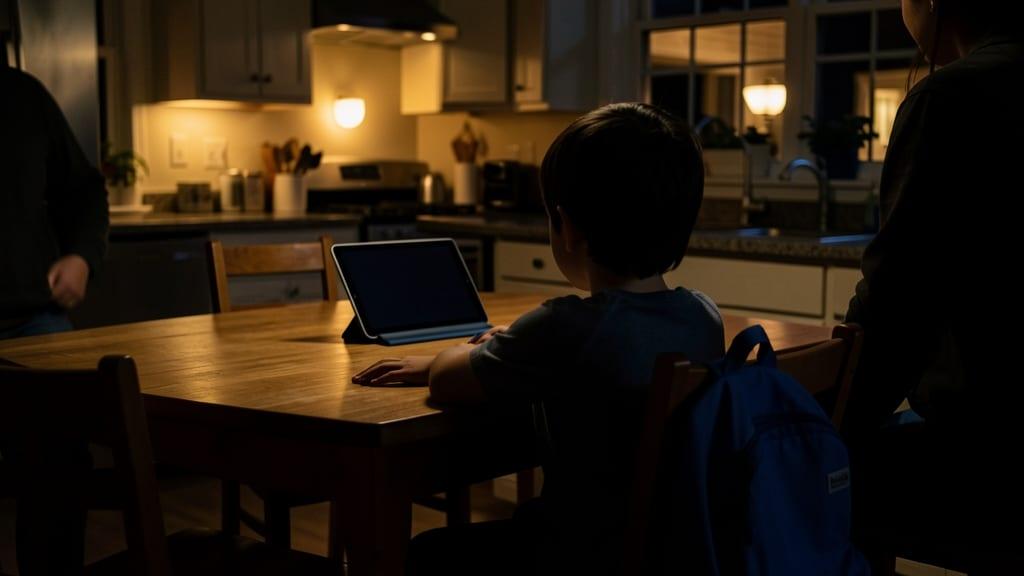
Australia's House of Representatives passed the Online Safety Amendment (Digital Duty of Care) Bill 2026 on 28 October 2026. It arrives as new data shows how many children already talk to AI.
The data comes from the eSafety Commissioner. Its survey covered 1,950 Australians aged 10 to 17, and ran from 2 February to 4 March 2026.
What children are doing
- 78% had used an AI assistant.
- 8% had used an AI companion, a chatbot built for friendship or emotional chat.
- Among users of either, 54% used them for personal or social purposes.
- 20% of those users reported potentially inappropriate or harmful interactions.
eSafety later gave a combined figure of 79%. The Conversation, which first framed the story this way, calls them all "chatbots". eSafety separates assistants from companions, and that split matters.
Why it matters
According to The Conversation, many risks build up over repeated conversations rather than in one answer. It lists encouraging heavy reliance, reinforcing dangerous beliefs and emotional manipulation. It also notes that users share intimate details while providers can profit from subscriptions, engagement or advertising.
It also says Character.AI, a US companion company, filed for bankruptcy. Years of conversations, including those of Australian children, could pass to a new owner.
What the law does
The outlets disagree on the bill's effect. TokenPost says it sets a general safety duty, not a separate ban on chatbots simulating emotional intimacy. Cryptobriefing and The Next Web describe a ban on chatbot conduct that fosters child dependence. TokenPost says penalties could reach A$109.2 million.
Australia already has industry codes under the Online Safety Act. They require providers to assess the risk of harmful content. Higher-risk services must use age checks where feasible. The Conversation argues these rely heavily on locking out and blocking.
What comes next
The bill has not passed the Senate. The Coalition and One Nation oppose it. The Greens want higher penalties and a right to sue, The Next Web reports.
The limits are plain. The survey shows reported experiences, not proven harm. The Conversation argues the bill may not cover harms from repeated interactions. Outlets differ on whether it bans anything specific, and the final text may change in the Senate.