EU Academy users' names and emails leaked in AI-assisted attack on the Commission
The European Commission told users through a notice on a website that is closed until January 14, not by email.
In brief
EU Academy users' names and emails leaked in an AI-assisted attack on the Commission
The European Commission confirmed on November 23 that names and email addresses of EU Academy users leaked in a cyberattack that used an AI tool. It has not said how many people are affected and told them only through a website notice. Anyone who signed up should expect phishing emails that use their name.
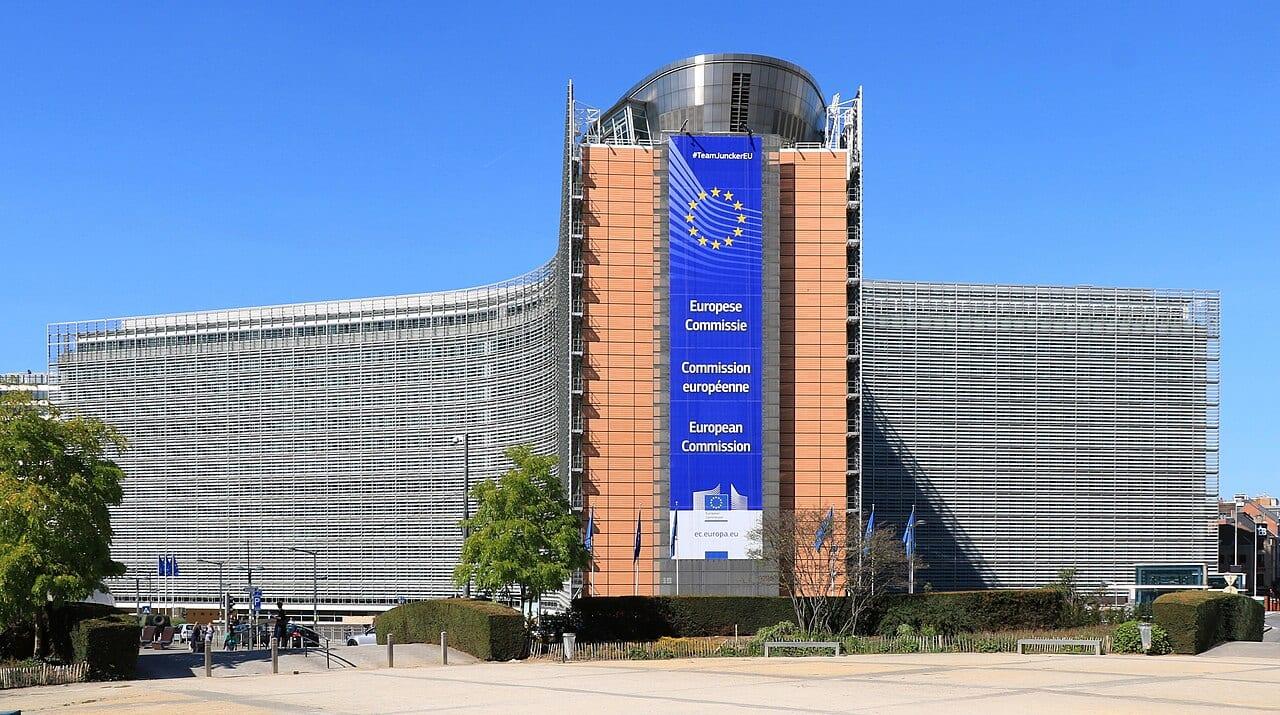
The European Commission has confirmed that an AI-assisted cyberattack on its systems leaked personal data. Spokesperson Thomas Regnier told reporters on November 23, 2026 that EU Academy, the Commission's free online learning platform, was hit, and that names and email addresses of its users were taken. The Commission has not said how many people are affected.
"We can confirm that the EU Academy platform has been affected by the detected cyber campaign against the Commission," Regnier said at the midday briefing, as Politico Europe reported. "This resulted in a leak of personal data of EU Academy users."
When attackers operate at machine speed, we cannot respond at human speed
Who uses EU Academy?
EU Academy offers courses and information about the European Union's policies to people outside the EU institutions, according to the Associated Press. Only those outside users were affected, Regnier said, according to Agence Europe. The exact scale of the leak "remains under investigation", he added, and so does the question of whether anything beyond names and email addresses was taken.
The platform was already offline. A notice on its website says it closed on November 11 and will stay closed until January 14, 2027, while the Commission rebuilds it, The Register reports. When it reopens, users will have to register again, and their earlier coursework will not carry over.
Nobody got an email about it
The Commission did not write to the people whose data leaked. It posted a general message on the EU Academy website instead. "There was no reach-out to individual users, but rather a general message to all users on the website out of transparency," Regnier said, according to Politico.
That choice has a practical flaw, which The Register pointed out: the same website already tells visitors not to come back until January. So most users are unlikely to see the warning unless someone tells them. The Commission has informed the European Data Protection Supervisor, the body that oversees how EU institutions handle personal data.
What the AI did
The Commission first detected the attack on October 22, according to Euronews. Regnier has said it was based on a publicly available AI tool, and Euronews reported the tool was ARTEX, an open-source program built to test networks for weak points that can also be pointed at someone else's. In a flash alert on November 13, the FBI said attackers had used ARTEX since its public debut in July, including against South Korean banks and the IT company ConnectWise, as TechCrunch reported.
The attack also disrupted the Commission's own staff. For days, officials could not reach Sysper, the system where they check pay and request leave, and the staff health insurance system was still down on November 19, Euronews reported. The Commission says it received no ransom demand and has not said who was behind the attack.
In an internal note seen by Politico, Executive Vice President Henna Virkkunen and Budget Commissioner Piotr Serafin warned staff to expect "further temporary interruptions" while security upgrades roll out. "When attackers operate at machine speed, we cannot respond at human speed," they wrote. Asked whether the attack was contained, Regnier would not say. "As long as the investigation is ongoing, I will not make any conclusive statements at this stage," he told reporters.
| What leaked | Names and email addresses of EU Academy users |
| How many people | Not disclosed, still under investigation |
| Attack first detected | October 22, 2026 |
| Leak confirmed | November 23, 2026 |
| Users told by | A notice on the EU Academy website, no emails |
| Platform back | January 14, 2027, with new registration |
This is not the only case this month of an AI agent getting at customer data: Bell, the Canadian phone and internet company, says an AI "agentic" attacker took data on its home and business customers.
What to do if you ever signed up for EU Academy
A name plus an email address is exactly what a convincing phishing email needs. The Commission's notice warns of spear-phishing (emails written for one specific person), impersonation and spam, The Register and the AP report. Steps worth taking this week:
- Treat any message about EU Academy, a certificate or a course with suspicion, especially one that asks you to log in, pay or confirm details. The Commission's notice asks users not to share personal information with anyone who contacts them about EU Academy.
- When the platform reopens on January 14, type academy.europa.eu yourself rather than clicking a link in an email.
- The Commission has not said passwords were taken. If you used your EU Academy password anywhere else, change it on those sites anyway and turn on two-step sign-in where you can.
- If you think your data has been misused, the notice asks you to report it to a data protection authority, the privacy regulator in your country.
- Tell colleagues or students who took EU Academy courses. Since no emails went out, many will not know.
Sources
- EU Commission confirms personal data leak after cyberattack, warns of further disruption (Politico Europe) (politico.eu)
- European Commission confirms personal data stolen in AI-assisted cyberattack (The Register) (theregister.com)
- European Commission warns EU Academy users of data leak after AI-driven cyberattack (AP) (abcnews.com)
- EU Commission hit by large-scale cyberattack with data leakage unknown (Euronews) (euronews.com)
- Cyber attack: European Commission confirms data leak from EU Academy platform (Agence Europe) (agenceurope.eu)
- FBI says Artex AI open source hacking tool used to breach networks (TechCrunch) (techcrunch.com)
Source: politico.eu