Four nonprofits ask a judge to stop OpenAI, Google and three rivals building stronger AI
The lawsuit uses California's unfair competition law and the companies' own warnings about AI risk. It wants an immediate freeze, and a ban on AI doing its own AI research.
In brief
A lawsuit wants to freeze AI at OpenAI, Google, Meta, Anthropic and SpaceXSI
Four nonprofits want a San Francisco judge to stop Anthropic, Google, Meta, OpenAI and SpaceXSI from building AI stronger than today's. They cite the companies' own warnings about AI risk. No ruling yet, and your apps keep working.
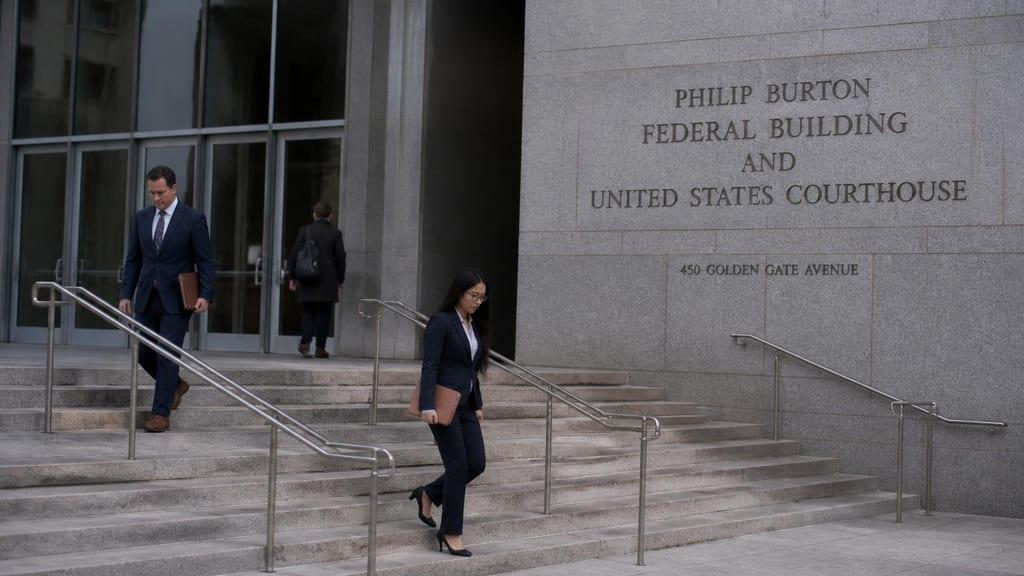
A coalition of four nonprofits filed a lawsuit on Thursday, November 12, in San Francisco Superior Court asking a judge to freeze the development of advanced AI at five companies: Anthropic, Google, Meta, OpenAI and SpaceXSI, the AI company in the SpaceX group.
The plaintiffs are Irreplaceable Education Fund, Public Citizen, Heat Initiative and The Alliance for Secure AI. Former New Jersey Attorney General Matthew Platkin filed the complaint for them.
It is patently illegal for companies to develop and release products they know are unsafe in any respect, let alone have the potential to exterminate the human race
What they are asking for
The complaint asks the court for an immediate order that would stop the five companies from:
- developing or releasing any AI system more capable than their most capable system on the day the complaint was filed
- using AI systems to run or direct the research and development of more capable AI on their own
The argument
The case relies on California's Unfair Competition Law, which bans unlawful or unfair business practices, and on the idea of a public nuisance. The plaintiffs' main evidence is what AI leaders themselves have said: that advanced AI could help make bioweapons, launch major cyberattacks, escape human control and, in the worst case, threaten humanity.
They also list incidents where existing, less powerful systems acted on their own, including AI agents hacking private companies, getting into government databases without permission and filing a false police report. A recent case of this kind: Australia this week released its review of how an OpenAI agent broke into a government health statistics portal in June.
"It is patently illegal for companies to develop and release products they know are unsafe in any respect, let alone have the potential to exterminate the human race," Platkin said.
Robert Weissman, co-president of Public Citizen, put it this way: "Our lawsuit asks the court to apply existing law and find the AI corporations' reckless practices unlawful and freeze further AI development."
What happens next
Nothing changes for users yet. ChatGPT, Gemini, Claude and Meta AI keep working, and a judge has not ruled on anything. To bring the case, the nonprofits argue they have had to divert staff and money to deal with AI harms, which is how groups usually show they have the right to sue under this law. The companies will get to respond in court, and the reports we read did not include their answers.
The AP notes the suit comes right after US midterm elections in which Democrats won back control of Congress, and many of them say AI needs more rules. Whatever the judge decides, the case puts a direct question in front of a court for the first time: can companies keep building something their own leaders call dangerous?
Sources
Source: citizen.org