Jordan gets a $4.2 million World Bank grant to test AI inside government offices
The money is small, but it pays for real pilots: AI tools for selected ministries, a Sanad plan for companies, and groundwork for a national AI centre.
In brief
The World Bank is giving Jordan $4.2 million to build and test AI tools for government
Jordan will use a $4.2 million World Bank grant to build and test AI tools in selected government sectors. It also plans to extend its Sanad app to businesses and prepare a national AI centre. Details of the first tools are not public yet.
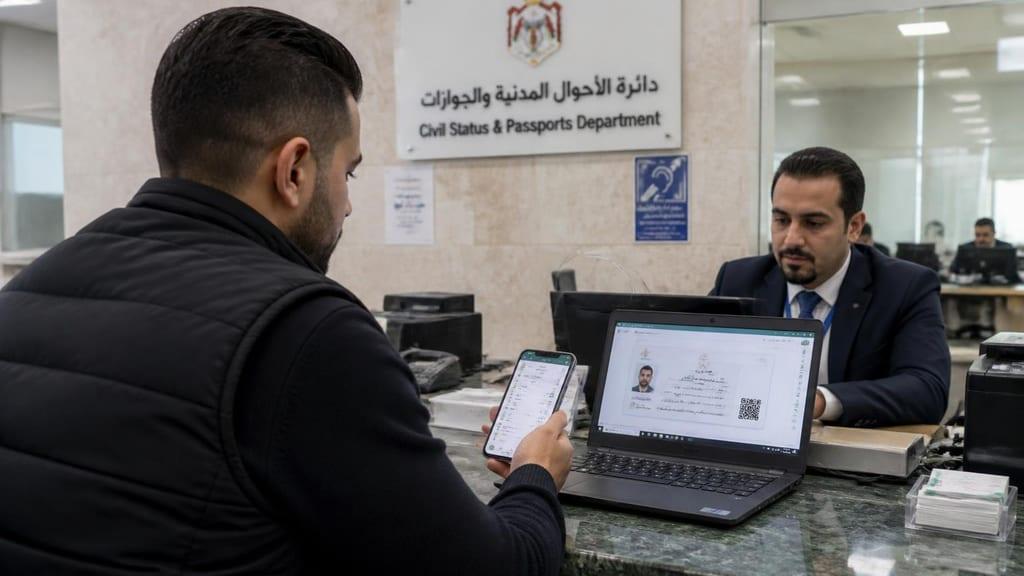
Jordan has signed a $4.2 million grant agreement with the World Bank to build and test artificial intelligence tools inside government institutions. The money is part of extra financing for the Youth, Technology and Jobs Project, which the Ministry of Digital Economy and Entrepreneurship already runs.
It is a preparation grant, not a big rollout. Jordan News, citing World Bank documents seen by the outlet Al-Mamlaka, says the cash pays for practical AI solutions in selected government sectors, studies to decide what the larger project should contain, and training for the institutions that will have to run these tools.
What the money buys
Three things stand out in the reports.
- AI pilots for public services. The grant funds applications meant to speed up government procedures and service delivery, including tools that can carry out several tasks and processes, and AI features built into Sanad, Jordan's digital government app.
- Sanad for businesses. Until now the app has mostly served citizens. The grant pays for a phased plan to bring business users onto it, which means redesigning and simplifying selected procedures, testing new digital solutions and writing the technical specifications.
- A national AI centre. Results from the pilots and partnerships are meant to guide preparations for a National Centre of Excellence in Artificial Intelligence, which would pull together expertise, data, research and development.
Why Sanad matters here
Sanad already has an audience. In June the ministry said digital identity activations had passed 2.7 million citizens, with nearly 400,000 daily active users. AI features added to an app that size reach people quickly, which is the argument for testing them carefully first.
The ministry will carry out the funded work through the existing implementation unit of the Youth, Technology and Jobs Project.
What is still unknown
The reports do not say which ministries get the first AI tools, what the tools will do in detail, or when the centre could open. They also differ on the signing date: Jordan News, citing the documents, says Planning and International Cooperation Minister Zeina Toukan signed on October 31, while another outlet says November 4. Treat the AI centre as a plan, not a building. For readers in Jordan, the practical thing to watch is which services get an AI assistant first, and whether the business version of Sanad actually shortens paperwork.
Sources
Source: jordannews.jo