Mexico plans an AI health app after hearing 10% of free ChatGPT queries are medical
President Claudia Sheinbaum says the app will book clinic visits, check symptoms with AI and connect patients to 1,000 remote doctors, but no launch date or AI company has been named.
In brief
Mexico will build its own AI health app with 1,000 remote doctors
President Claudia Sheinbaum says about 10% of free ChatGPT queries in Mexico are about health, a figure she credits to OpenAI. Her government plans a public app that books clinic visits, checks symptoms with AI and links patients to 1,000 doctors, as part of a health service starting in January 2027.
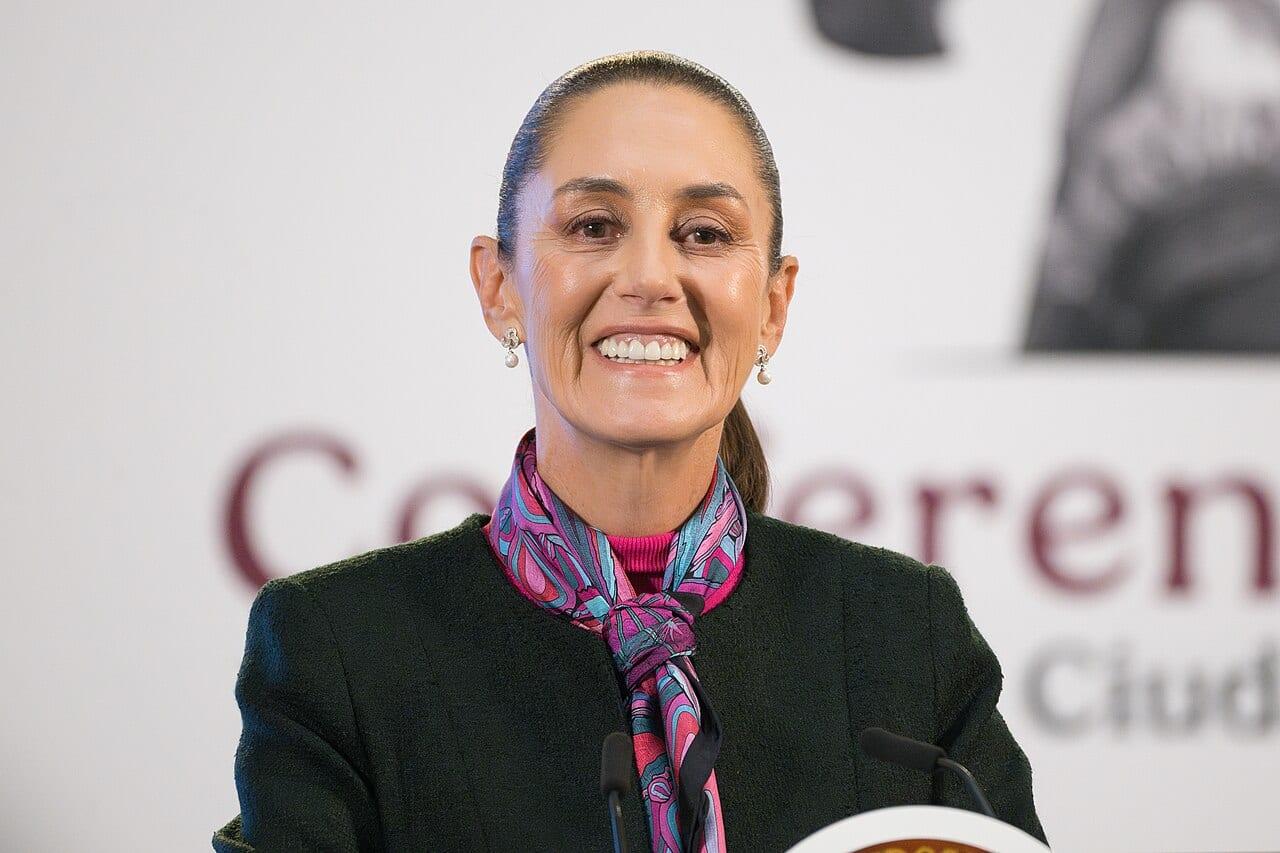
About one in ten questions people in Mexico type into the free version of ChatGPT is a medical one, according to a figure President Claudia Sheinbaum says OpenAI's leadership gave her. On November 24, 2026, she said her government's answer is to build its own health app, with an AI symptom checker and 1,000 doctors on call remotely.
Sheinbaum made the announcement at her daily morning press conference in Mexico City, according to the official transcript. The app belongs to the Universal Health Service (Servicio Universal de Salud), a new public scheme her government plans to start in January 2027.
Artificial intelligence should not prescribe a medicine.
What would the app do?
Sheinbaum described it as a goal more than a finished product: "the dream that all of us here have", in her words. Every person in Mexico would have the app on their phone, pick a nearby clinic and get an appointment booked automatically, instead of queuing in person just to ask for one.
Inside the app, an AI assistant would take a description of your symptoms and tell you whether you need to see a doctor right away. "Of course it does not replace the doctor," she said. Behind it would sit a remote care centre staffed by 1,000 doctors, who she said are already being hired.
| Piece | What the government says | Status |
|---|---|---|
| Health app | Book clinic appointments from your phone | Promised; no launch date given |
| AI symptom checker | Tells you if you need a doctor now | Promised; no company named |
| Remote care centre | 1,000 doctors working remotely | Doctors being hired, Sheinbaum says |
| Free local clinics | 6,710 ready in January 2027, 12,750 planned | Locations found for about 3,000 so far |
The clinic numbers come from the same press conference. Sheinbaum said places had been found for around 3,000 neighbourhood clinics, and Welfare Secretary Leticia Ramírez said 6,710 would be ready in early January 2027, out of a national goal of 12,750, according to the presidency's summary.
Where did the 10% figure come from?
Sheinbaum met Greg Brockman, OpenAI's president and co-founder, at the National Palace on November 11, as El Economista and Infobae reported. On November 24 she said that "the president of ChatGPT" had told her that, in OpenAI's data, close to 10% of queries to free ChatGPT in Mexico are medical. She gave no detail on how it was measured, and OpenAI has not published the figure itself.
It was not her first number. On November 13 she said about 15 million Mexicans already ask AI tools such as ChatGPT and Gemini about their health, citing data the companies had given her, El Universal and El Economista reported. "Our concern is what they are answering," she said, adding that many young people use chatbots for psychological advice. "Artificial intelligence should not prescribe a medicine."
The part still missing
The government has not said which company will build the AI, what model it will run on, how patients' data will be kept, or when the symptom checker will go live. On November 13 Sheinbaum said only that the health ministry was working "with this company and another" and that details would come "in due time". She also said AI should help doctors read X-rays, MRI scans and mammograms.
My read: the app is the least surprising part. The striking thing is a head of state saying out loud that a US chatbot has quietly become one of her country's front doors to health care, and that she would rather the state run that door. Plenty of governments must suspect the same about their own citizens; few have said it.
What it means for you
If you live in Mexico, nothing changes today. Watch for the Universal Health Service in January 2027, and expect the app to arrive in stages. Until a public tool exists, a general chatbot is still just a chatbot: it can help you prepare questions for a doctor, but it does not know your history, and for chest pain, trouble breathing or thoughts of self-harm the right move is to call emergency services, not to type.
If you live elsewhere, this is worth watching as a test. A national, doctor-backed symptom checker run by a government, with real clinics behind it, is a different thing from an app that answers anyone about anything. Whether Mexico can build one that people trust more than ChatGPT is a question many health ministries will want answered.
Sources
- Transcript of the November 24, 2026 morning press conference (Presidency of Mexico) (presidenta.gob.mx)
- Avanza instalación de consultorios médicos gratuitos (Presidency of Mexico) (presidenta.gob.mx)
- Sheinbaum quiere que todos los mexicanos usemos IA para resolver dudas médicas (Xataka México) (xataka.com.mx)
- Secretaría de Salud tendrá aplicación con IA para consultas y diagnósticos médicos (El Economista) (eleconomista.com.mx)
- Sheinbaum busca integrar la IA en app para servicios de salud (El Universal) (eluniversal.com.mx)
- México alista app con IA para realizar consultas de salud (Infobae) (infobae.com)
Source: presidenta.gob.mx