South Korea accuses Apple of misleading iPhone 16 buyers about AI features
Investigators say a Siri feature promised in Korean for April 2025 arrived in October 2026, and they want Apple fined.
In brief
South Korea accuses Apple of misleading iPhone 16 buyers about AI
Investigators at South Korea's Fair Trade Commission say Apple advertised four Apple Intelligence features that did not arrive as promised. Siri's personal-context feature, promised in Korean for April 2025, came in October 2026. Apple disputes the findings, and a fine of up to about $50 million is possible.
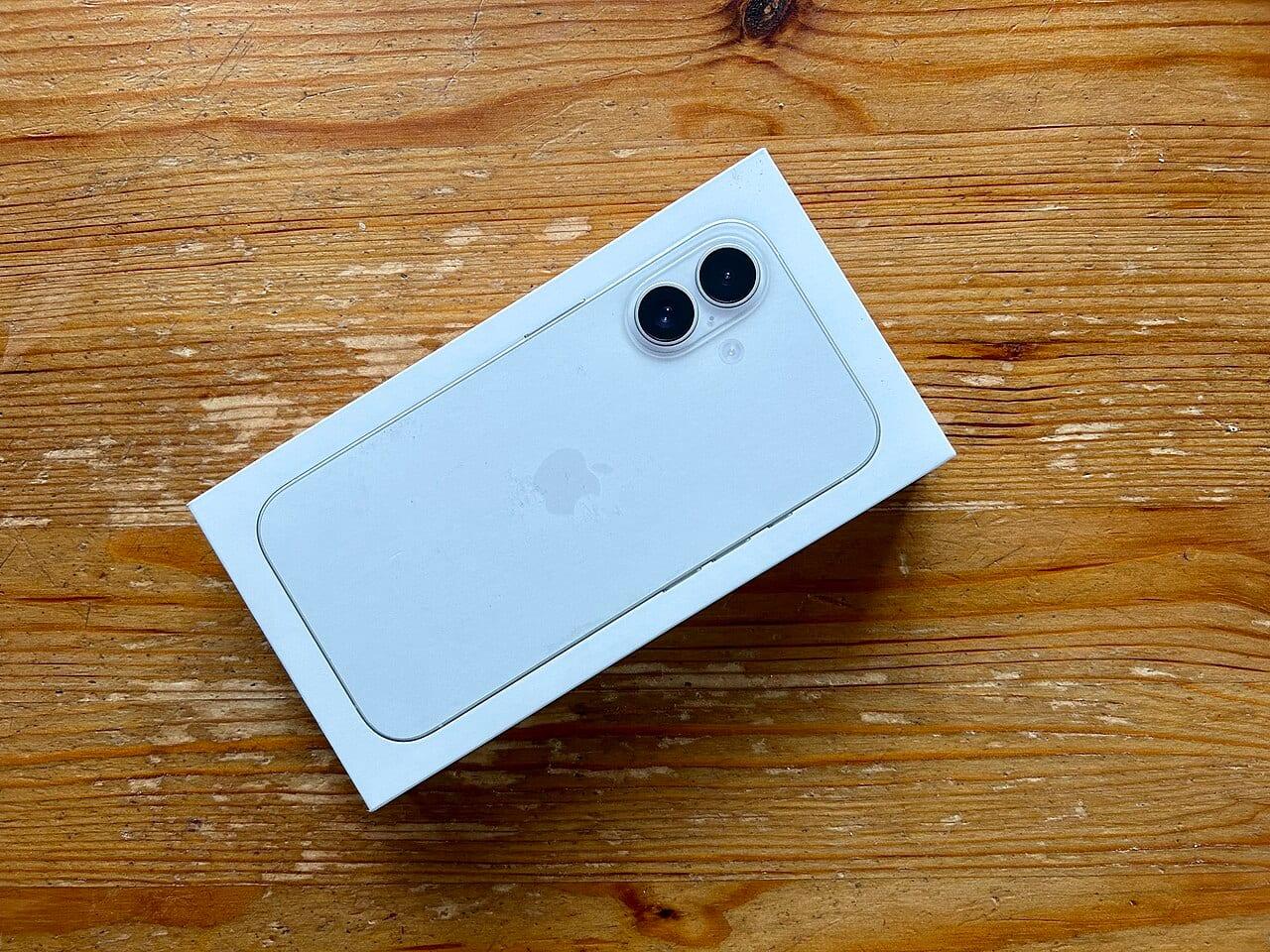
Apple told iPhone 16 buyers in South Korea that Siri would understand their personal context, in Korean, by early April 2025. The feature arrived in October 2026, about 18 months late. On November 26, investigators at the Korea Fair Trade Commission (KFTC), the country's competition and advertising watchdog, said Apple's ads for its Apple Intelligence features broke the law against deceptive advertising, and asked the commission to order corrections and a fine.
What the investigators say Apple did
concealed, downplayed, or omitted information material to consumers' purchasing decisions
The case covers nine Apple Intelligence features that Apple advertised on its Korean iPhone 16 website between September 2024 and March 2025, according to the Korea Times. The investigators found that four of them were not delivered as advertised: Genmoji (custom emoji made from a text description), Image Playground, Siri's ability to understand personal context, and Siri giving step-by-step guidance.
According to 9to5Mac's translation of the KFTC press release, the investigators concluded that Apple "concealed, downplayed, or omitted information material to consumers' purchasing decisions". That includes the fact that some features would be hard to deliver on the promised dates, in US English and in Korean, and when they would really arrive.
The clearest example is Siri:
| Siri that understands personal context | Advertised | Delivered, per the KFTC |
|---|---|---|
| US English | by the end of 2024 | September 2026 |
| Korean | early April 2025 | October 2026 |
Apple's marketing promised a Siri that understands your life. Korean speakers spent a year and a half of that life waiting for it.
How big could the fine be?
The investigators estimate that the sales linked to the alleged violation came to about 3.35 trillion won, roughly $2.5 billion. South Korea's advertising law allows a fine of up to 2% of such sales, which would put the ceiling at about 67 billion won, around $50 million, by the Korea Times' calculation. The KFTC's release names no amount, and Korean outlets have published different estimates.
Besides a fine, the investigators recommended an order banning similar conduct and a public disclosure order, which would require Apple to announce the sanction publicly. A KFTC official told the Korea Times that the examiner found Apple's conduct "constituted a serious violation of the act".
This is not a ruling yet. The investigators' report went to the commission and to Apple on November 24. Apple now has six weeks to answer in writing and ask to see the evidence, and the commission will then decide whether the law was broken and how much, if anything, Apple pays.
What does Apple say?
Apple disputes the investigators' conclusions and says it gave advance notice about when features would be available, according to Yonhap, as reported by MacRumors. The case began with a complaint by the Seoul YMCA, a civic group, in March 2025, shortly after Apple delayed the new Siri.
Not the first country to ask
South Korea is following others. In April 2025, Apple removed the words "available now" from its Apple Intelligence page after an inquiry by the National Advertising Division, a US industry watchdog. In May 2026, Apple agreed to a $250 million settlement of a US class action that accused it of misleading buyers about the same features, and a consumer protection agency in Brazil also looked into the ads, 9to5Mac reports.
What it means for you
If you bought an iPhone 16 in South Korea, nothing is decided yet, and none of the measures the investigators recommended is a refund to buyers. If you live anywhere else, the case is still a useful warning about how phones are sold now.
Phone makers increasingly sell devices on AI features that are "coming later", and later often means a different date in each language and country. Before you pay extra for a feature, check three things on the maker's own page: whether it works today, whether it works in your language, and whether it works in your country. Footnotes that say "in beta", "rolling out" or "available in US English" usually answer all three. If a feature is promised for later, judge the phone on what it does on the day you buy it.
Sources
- Korea Fair Trade Commission (via korea.kr): Deliberation opens in Apple deceptive advertising case (November 26, 2026) (korea.kr)
- The Korea Times: Apple Korea faces potential $50 mil. fine over 'deceptive' iPhone AI ads (November 26, 2026) (koreatimes.co.kr)
- 9to5Mac: South Korea proceeds with case over allegedly misleading Apple Intelligence ads (November 26, 2026) (9to5mac.com)
- MacRumors: Apple Faces Korean Regulator Review Over iPhone 16 AI Advertising (November 26, 2026) (macrumors.com)
- Yonhap News Agency report on the KFTC Apple case (November 26, 2026) (yna.co.kr)
- MacRumors: Apple class action Siri lawsuit settlement (May 5, 2026) (macrumors.com)
Source: korea.kr