United Airlines bans AI agents from booking flights, even if you approve every step
From November 11, United's ticket rules forbid personal AI assistants from buying, changing or checking in for flights, on its own site and through travel agencies, and let the airline cancel those bookings.
In brief
United Airlines can now cancel bookings made by your AI assistant
From November 11, United Airlines' ticket rules forbid AI assistants from buying, changing or checking in for flights, even through travel agencies. The airline can cancel such bookings. You can still use AI to research trips.
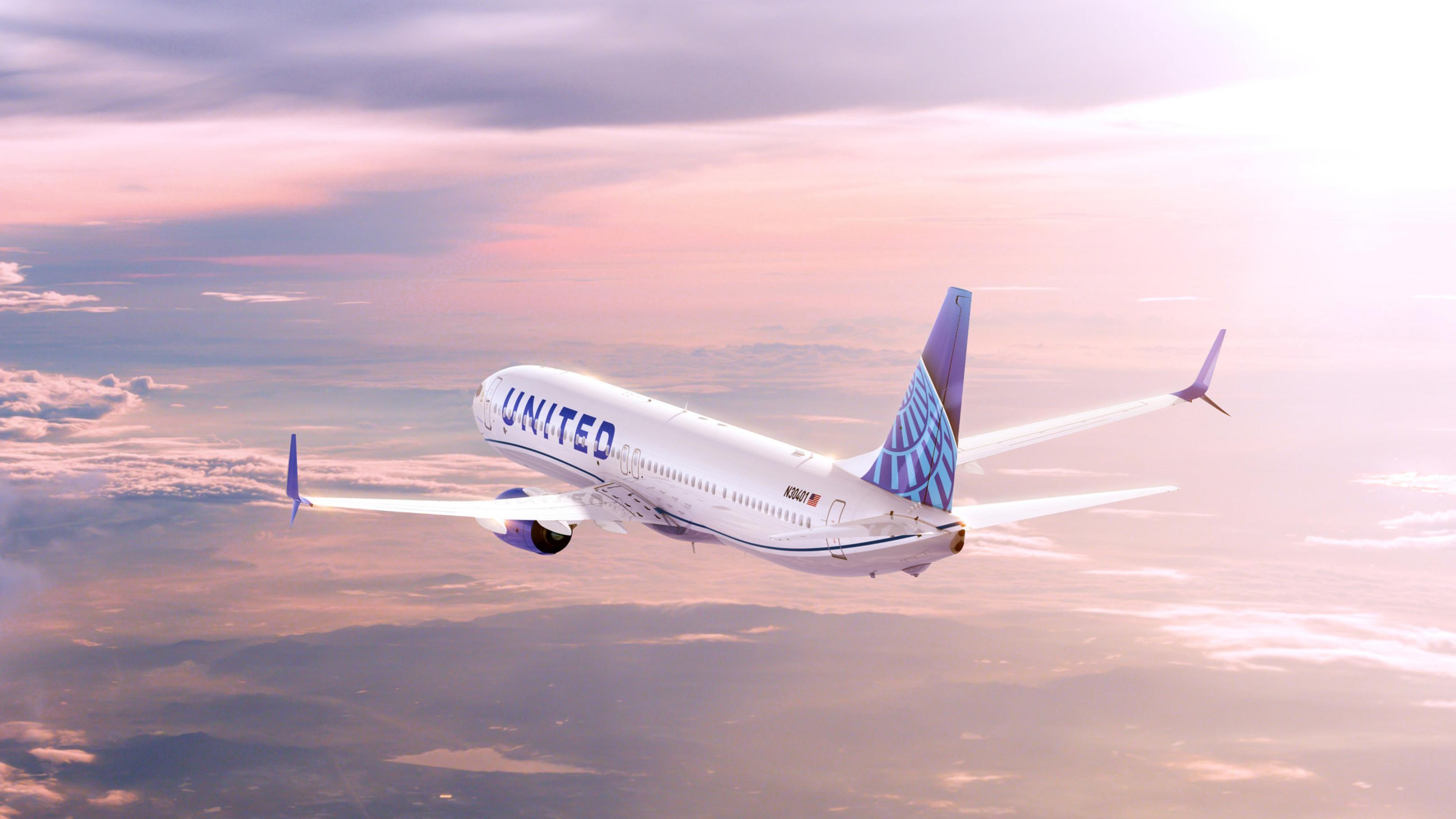
United Airlines has become the first big US carrier to ban personal AI agents from booking its flights. Its updated contract of carriage, dated November 11, adds AI agents to the list of forbidden ticketing practices. The new rule bans "the use of AI Agents to make, modify or service a Ticket, and/or to purchase any service or product."
The ban is wide. It covers united.com and the United app, and it also reaches travel agencies, booking sites and aggregators that might use an AI agent on your behalf. According to the travel site View from the Wing, it applies even when you watch the agent and approve what it does. A separate rule lets United cancel reservations made, changed or serviced by such agents.
To be honest, I don't want to create another middleman.
What you can still do
- Research with AI. Asking ChatGPT or any other assistant where to fly in January, or comparing United fares, is fine as long as the tool doesn't log in, book or buy on United's site for you.
- Book yourself. United fares stay on sites like Google Flights and Kayak, an analyst told CBS News.
- Keep old bookings. United says trips booked by AI agents before November 11 won't be cancelled, but it suggests checking that they were ticketed correctly.
- Assistive tools. Software that helps customers with disabilities is not affected.
United's reasons
The airline says handing an AI agent your login can expose personal data and lead to "unintended purchases, account changes, or use of MileagePlus miles." It also points to federal rules. At check-in, a passenger has to confirm personally that their bags hold no banned items such as explosives, and an agent clicking through that step could break FAA and Department of Transportation rules.
Chief executive Scott Kirby gave a blunter reason at an event in Chicago on Tuesday, reported by The Wall Street Journal:
To be honest, I don't want to create another middleman.
Airlines already pay to be found on Google, price comparison sites and online travel agencies. An AI assistant that decides which flights you see could one day ask for fees of its own. Henry Harteveldt of Atmosphere Research Group told CBS that flight searches also cost airlines money, and AI bots can run far more of them than people do.
Not everyone agrees
View from the Wing argues the safety case is weak. The hazmat rule needs the passenger to see a notice and confirm it, and an agent could simply stop and ask. It also notes that a line in a contract isn't a technical block, and United may struggle to spot an AI booking that comes through a travel agency.
Other airlines are going the other way. Southwest has made its flights visible inside ChatGPT. Elsewhere, eBay and several big banks have restricted AI agents, according to The Verge. United says agent bookings are still rare, which makes this a cheap moment to say no, and it says it may revisit the rule once safer, approved connections exist.
Practical tip: whatever airline you use, don't give an AI tool your frequent flyer number, password or booking code.
Sources
- United Airlines: Unauthorized third-party AI agents or assistants (united.com)
- CBS News: United Airlines bans AI agents from booking flights (cbsnews.com)
- The Verge: United won't let your AI agent book your flight (theverge.com)
- View from the Wing: United bans AI agents from booking tickets (viewfromthewing.com)
- Engadget: United is restricting AI agents from booking flights (engadget.com)
Source: united.com