US approved 879,868 Nvidia and AMD AI chips for Chinese firms, Congress reveals
Every approved license was still marked "not shipped" in May, and Nvidia says it has since stopped sending H200 chips to China.
In brief
US approved 879,868 Nvidia and AMD AI chips for Chinese companies
Documents released by the House Foreign Affairs Committee on November 19 show the US approved 879,868 Nvidia H200 and AMD MI325X chips for Chinese firms, out of 3.4 million requested. Alibaba, Tencent and Baidu were among the buyers, but none of the approved chips had shipped by May 11.
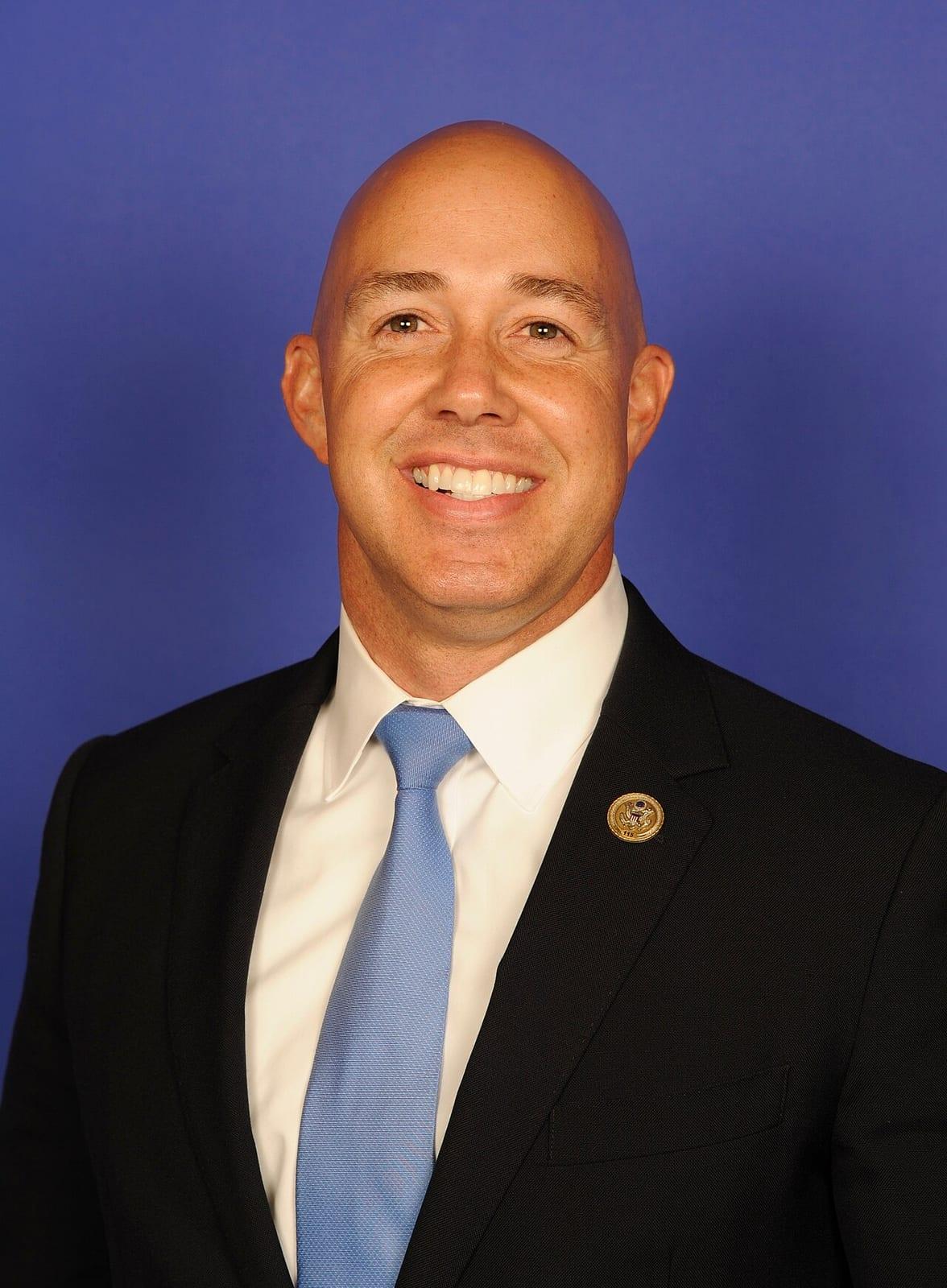
The US Commerce Department approved the sale of 879,868 advanced AI chips from Nvidia and AMD to Chinese companies, including Alibaba, Tencent and Baidu, according to licensing documents the House Foreign Affairs Committee released on November 19, 2026. The figures run to May 11, 2026, when companies had asked to sell 3,444,160 chips.
The chips are Nvidia's H200, an older-generation Hopper chip that President Donald Trump cleared in December 2025 for "approved customers in China" in exchange for a 25% cut of sales, and AMD's comparable MI325X. Committee chairman Brian Mast, a Republican from Florida, used a rarely used power in the Export Control Reform Act, the 2018 law behind US chip export rules, to make the data public. His office called it "the most detailed public disclosure in the history of the Export Control Reform Act."
Despite receiving some licenses, we have since stopped shipping H200s to China
Who got the approvals?
The Bureau of Industry and Security (BIS), the part of the Commerce Department that licenses sensitive exports, approved 21 applications, according to the committee's summary. Four of the buyers are on the Pentagon's list of "Chinese Military Companies":
| Company | Chips approved |
|---|---|
| Tencent and subsidiaries | 150,000 |
| Alibaba | 75,000 |
| Baidu | 43,000 |
| BYD | 4,000 |
The full table also lists approvals for ByteDance, JD, Didi, the game maker miHoYo, Kuaishou, Li Auto, Great Wall Motor and Tesla's Shanghai arm. Larger requests were not approved by May, including 610,000 Nvidia chips for Alibaba and 508,000 for a ByteDance unit in Malaysia, both returned without action.
Approved is not the same as shipped
In the committee's table, every approved license carries the status "Approved, not shipped" as of May 11. Beijing has not allowed large-scale imports, which kept real sales low, analyst Patrick Moorhead of Moor Insights & Strategy told CNBC. In July, Commerce official Jeffrey Kessler told the committee that shipments had begun but there had been "very few", CNA reported. On November 17, Nvidia reported $2.4 billion in quarterly revenue from H200 and related chip sales in China.
Nvidia said the approvals came with conditions. "The review and licensing process spanned more than half a year, with approvals subject to strict conditions and limited volumes. Despite receiving some licenses, we have since stopped shipping H200s to China," spokesperson John Rizzo told CNBC. AMD said it "complies with applicable U.S. export control laws and regulations." A BIS spokesperson said licensing decisions "are the product of deliberation and consultation among multiple U.S. Government agencies."
Stacy Rasgon, a senior analyst at Bernstein, called the total "not that many" and told CNBC that BIS "approved about one out of every four" chips requested.
The fine print lawmakers are pointing at
The committee says that all but two Nvidia applications name Maginfra, Beijing New Matrix Information Technologies, ZTE Kangxun and Lenovo as companies that "may install the systems in the datacenter." Mast called Maginfra and New Matrix suspected "smuggling fronts"; The New York Times reported in November that both had empty offices and ties to sanctioned companies. Neither replied to CNBC. Every Nvidia and AMD application rated the risk that chips would be diverted as "low", the committee says.
Gregory Meeks of New York, the committee's top Democrat, said that "even as there were massive delays in license reviews at BIS, the agency seemed to approve licenses for advanced chips to China with little scrutiny."
The release follows weeks of scrutiny of chip sales to China after Jensen Huang resigned as Nvidia's chief executive, amid reports linking him to a suspected Chinese spy, according to CNBC. Huang is due for a closed-door interview with the House Foreign Affairs Committee and two other committees on December 1.
What it means for you
The H200 is no longer Nvidia's newest chip, but it is the kind of hardware that trains and runs the chatbots and video tools people use every day, in China and well beyond it. Washington's licensing decides how much of it Chinese AI companies can buy, and the data shows the gate was more open on paper than in practice. Expect more of this: lawmakers from both parties want stricter export rules, and Commerce Secretary Howard Lutnick has agreed to testify before the Senate banking committee.
Sources
Source: cnbc.com