David Fincher defends using AI in Cliff Booth after viewers spot it on screen
Fincher did not say which scenes used AI, but told the Los Angeles Times he is "not a Luddite" and asked why filmmakers should give up a tool that exists.
In brief
David Fincher defends AI in his Brad Pitt film: 'Should we not use it?'
Early viewers say David Fincher's new Brad Pitt film, Cliff Booth, shows obvious AI imagery. Fincher has not said which scenes, but told the Los Angeles Times he is 'not a Luddite'. The film reaches Netflix on December 23.
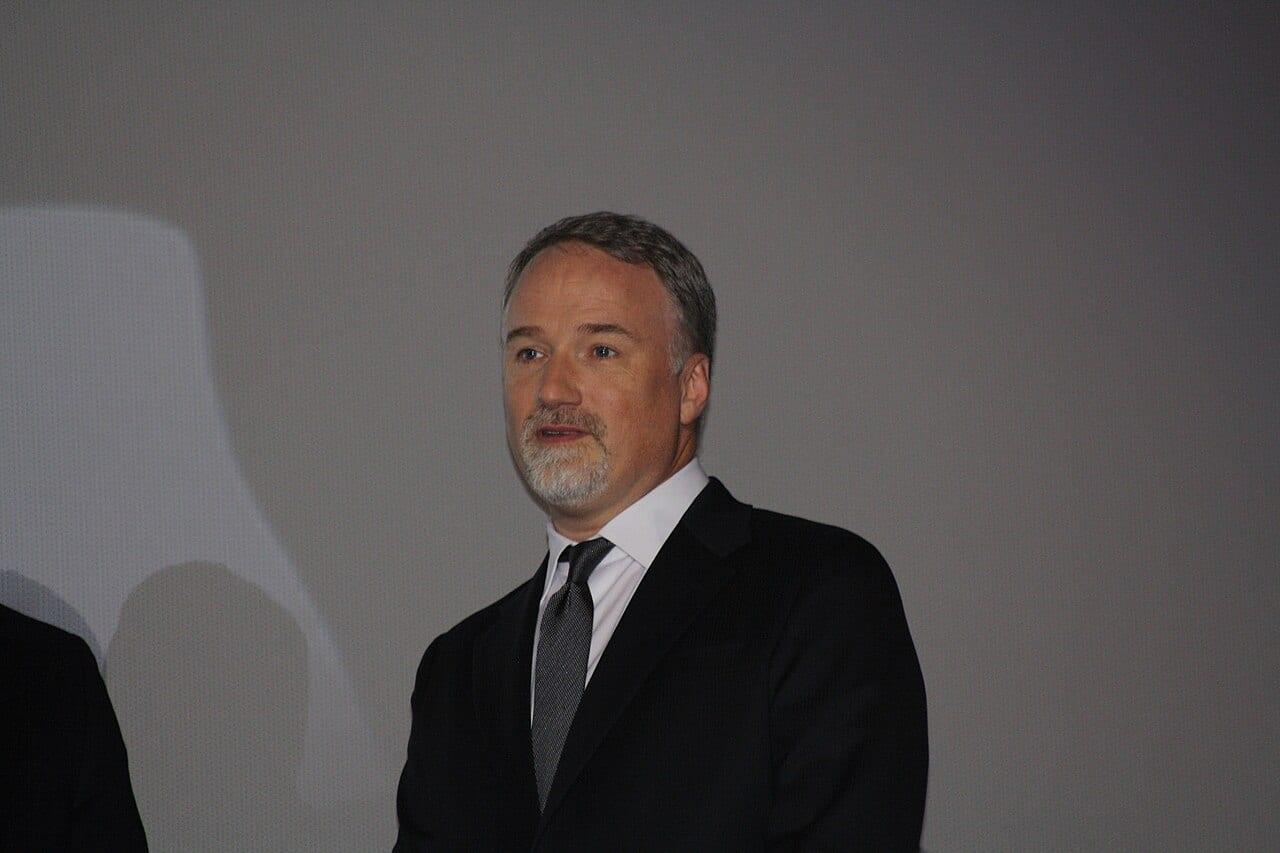
The Further Mis-Adventures of Cliff Booth, the Quentin Tarantino-written sequel to Once Upon a Time in Hollywood, directed by David Fincher and starring Brad Pitt, opens in IMAX on Thanksgiving, November 26. It is already at the center of an argument about AI in movies, and on November 19 Fincher answered it.
What viewers say they saw
I'm not a Luddite, so I don't fear the unknown
After early screenings, people on social media accused the film of obvious generative AI imagery. Fans called the apparent AI use "astounding to an absurd degree," Deadline reported. One critic said they "walked out of Cliff Booth completely gutted," calling it some of the most blatant AI use they had seen in a studio film. A review at Next Best Picture called the AI "noticeably distracting" and "nothing but an eyesore," according to The Mirror.
IndieWire reported that early responses pointed to generative video artifacts in key flashback moments, including a shot from the trailer where, IndieWire wrote, "it certainly looks like a video AI program rendered a wagon the wrong way around."
What Fincher said
In a Los Angeles Times interview published November 19, Fincher, 64, did not say which scenes used AI. He did defend the technology:
"I'm not a Luddite, so I don't fear the unknown," Fincher said.
"Is everyone satisfied that we have figured this art form out enough that what we really need to do is go back to celluloid?" he asked. "How long have people painted? 40,000 years? We're talking about a thing that's a hundred years old and everyone's going, 'Stop. Pencils down. No more iterating. It's not necessary to have at your fingertips the ability to change the color of that person's eyes.' Well, it exists. Should we not use it?"
Why this one stings
Fincher is known for controlling every detail of every shot, which is why many fans felt let down. IndieWire's view was that fans can be mad or disappointed, but "the one thing they shouldn't be is surprised": he has long used digital tools to push the craft. Critics answer that generative video is trained on other people's work, and that a few odd frames in a big studio film show how far the tools have crept into Hollywood without anyone announcing it.
When you can judge for yourself
The film opens in IMAX on Thanksgiving, November 26, and arrives on Netflix on December 23, Deadline reported. Until Netflix or Fincher say which shots used AI, viewers are going on what they think they saw, and that is part of the problem: audiences can't tell, and nobody has to say.
Sources
- Los Angeles Times: David Fincher on L.A., filmmaking and finding a way into 'Cliff Booth' (latimes.com)
- Deadline: David Fincher defends use of AI amid 'Cliff Booth' criticism (deadline.com)
- IndieWire via Yahoo: If there's generative AI in 'Cliff Booth,' it's not the first time Fincher's used it (yahoo.com)
- The Mirror: David Fincher responds to criticism for using AI (themirror.com)
Source: latimes.com