40% of game makers now use AI at work, yet 55% say it is hurting games
GDC's State of the Game Industry report finds AI moving into the daily routine of studios, mostly for chores, while most workers still don't want it near the characters, art and stories players see.
In brief
GDC survey of more than 2,600 game workers finds only 8% call AI's impact positive
GDC's State of the Game Industry survey of more than 2,600 game workers found AI use rising to 40%, mostly for chores like research and prototypes. Yet 55% say it is hurting games, most oppose it for the art and stories players see, and only 8% call its impact positive.
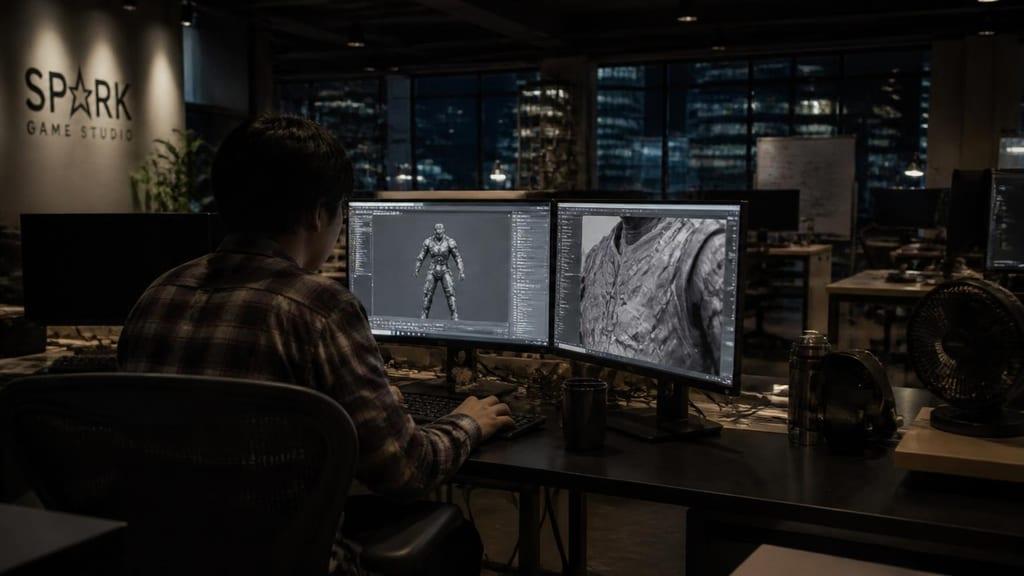
If you play video games, there's a fair chance someone on the team used AI this year. Whether they wanted to is another question.
The Game Developers Conference (GDC) has published its State of the Game Industry: November 2026 report, based on a survey of more than 2,600 game professionals. The report usually comes out at the start of the year; GDC has moved it to year's end from now on.
I think it's more that people just know the technology now, and it's an actuality instead of a theoretical issue, so they know how they want to use it or whether they want to use it at all.
AI use is up, opinion isn't
- 40% of respondents use generative AI tools as part of their job, up from 36% last year.
- Among those who use it, 57% use it daily. Use is highest among people in business operations and services (71%).
- 55% think generative AI is having a negative impact on the game industry, almost unchanged from 54% last year. 35% call the impact mixed, and only 8% say it is positive.
- The most negative groups are QA testers and community support staff, at 76%. Those are also jobs many studios try to automate.
Chores yes, creativity no
People who see value in AI mostly mean repetitive tasks, research, brainstorming and early prototypes. Their worries are the environmental cost, legal problems, job losses and losing their own skills. GDC says there is still "large opposition" to using generative AI for creative or player-facing content, meaning the art, voices and stories you actually see.
Pressure also depends on where you work. According to GamesIndustry.biz, 27% of workers at big AAA studios feel encouraged or pressured to use generative AI, compared with 9% of indie developers.
Survey lead Beth Elderkin told GamesIndustry.biz the debate has calmed down because the technology is no longer hypothetical: "I think it's more that people just know the technology now, and it's an actuality instead of a theoretical issue, so they know how they want to use it or whether they want to use it at all."
A tough year for jobs
The AI numbers sit next to hard ones:
- 34% of respondents were laid off at some point in the past two years (39% in the US).
- 54% of those laid off are still unemployed.
- 65% say their job hurt their mental health in the past 12 months, yet 86% say games are more fulfilling than any other industry.
A note for students
One more number stands out: 62% of game-design educators allow, encourage or require students to use generative AI in coursework, but only 20% of students say they actually use it. Students seem warier than their teachers.
Read it with care
GDC's survey is not a random sample. GDC itself notes that people hit by layoffs seem to have answered in larger numbers, so some figures may lean negative. Still, with 2,600+ answers it is one of the best snapshots of how the people who make games feel about AI.
Sources
Source: gdconf.com