AI analysis identified stress patterns in 553 healthcare workers
A machine learning model detected stress profiles by processing short recordings of worker narratives.
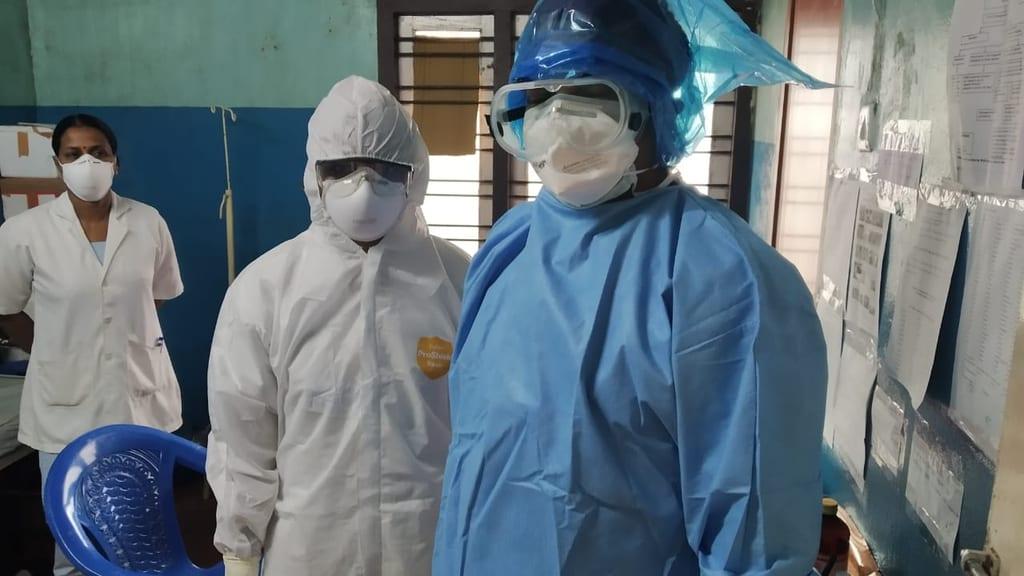
Researchers at NYU Grossman School of Medicine used a computational model to track stress among 553 healthcare professionals. The study monitored participants over six weeks using weekly voice recordings alongside self-reported data on anxiety and burnout.
The system utilized a hierarchical multimodal transformer to examine three distinct types of data from the recordings: the words spoken, the acoustic quality of the voice, and facial expressions. By combining these features, the AI achieved an AUROC score of 0.75, which is a common metric used to evaluate how well a model distinguishes between different groups.
Multimodal embeddings extracted from brief stress narratives are associated with occupational stress profiles, potentially complementing traditional assessment methods.
The model successfully sorted the participants into two distinct categories: resilient and vulnerable. It performed significantly better than models that only looked at text or only looked at audio patterns.
This approach helps overcome issues with traditional stress assessments, which often rely on surveys that people may avoid filling out due to professional stigma or time constraints. Could this technology provide a more accurate way to support workers before they reach burnout?
The study relied on a specific cohort of healthcare workers and remains a proof of concept. The model has not been tested for clinical diagnostic purposes or in real-world settings outside of this research project.
Source: npj Digital Medicine