University of California gives ChatGPT to all 10 campuses as professors urge caution
UC will pay OpenAI $1.2 million a year for ChatGPT Edu and Codex, after its faculty leaders asked on October 30 for the deal to be delayed.
In brief
University of California gives ChatGPT to all 10 campuses over faculty objections
The University of California will pay OpenAI $1.2 million a year to give students, faculty and staff ChatGPT Edu and Codex. Faculty leaders asked for a delay and say their concerns are still unresolved.
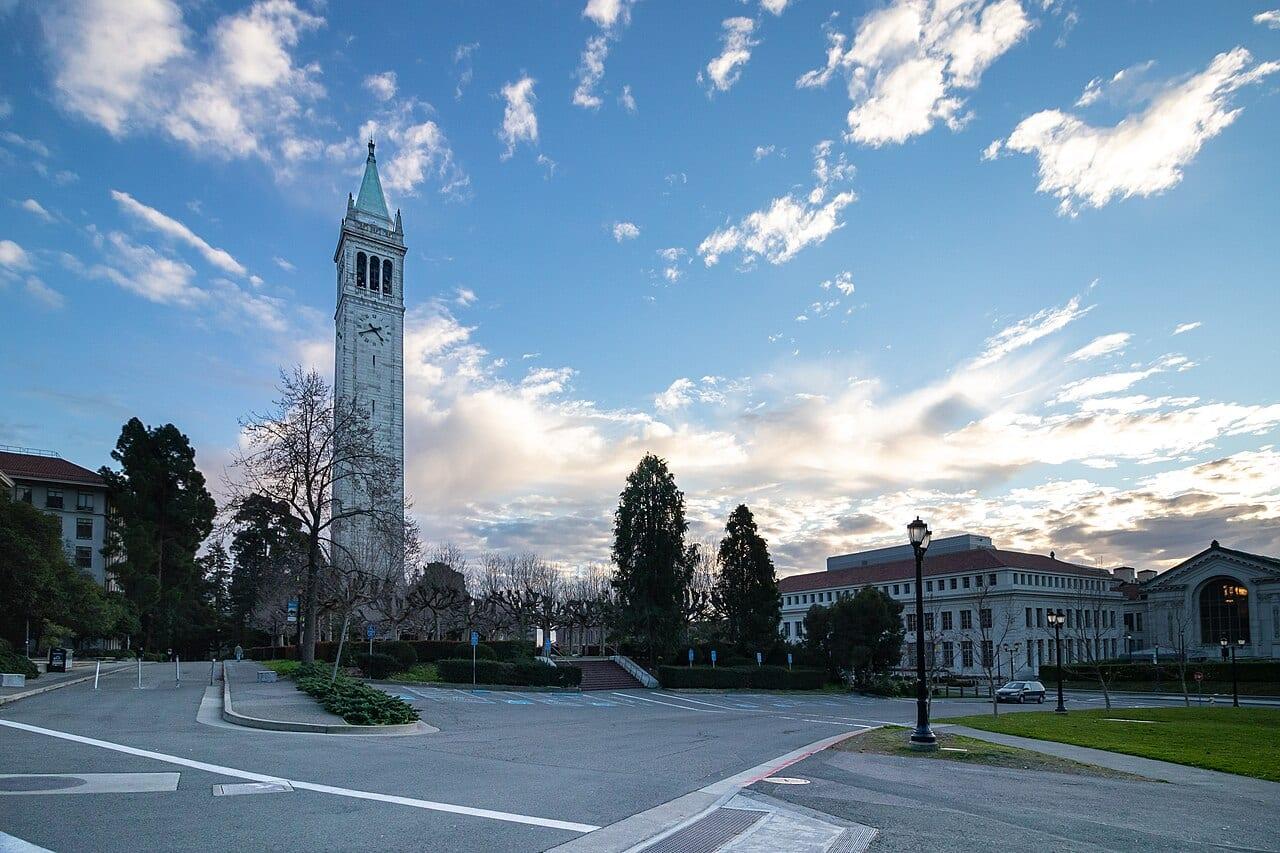
The University of California (UC) has signed a systemwide deal with OpenAI that gives hundreds of thousands of students, faculty and staff on all 10 campuses access to ChatGPT and OpenAI's coding tool, Codex, the Los Angeles Times reported on November 21. UC is paying $1.2 million a year, and it went ahead even though its faculty leaders had asked it to wait.
Foundational decisions about UC's educational environment are being made without sufficient involvement of its educators
What do students get?
- ChatGPT Edu and Codex, rolling out to campuses in the coming weeks.
- Unlimited use of ChatGPT's base models. More advanced models need paid credits, which UC buys at a 20% discount.
- OpenAI has waived its $10 monthly per-user fee for Codex.
- Users' data won't be used by OpenAI to improve its models, unlike much of what is typed into free public AI tools, according to UC's chief information officer, Van Williams.
The deal covers academic programs and operations, not UC's hospitals and clinics, and it does not stop campuses from using Google Gemini or Microsoft Copilot. It replaces a looser 2024 arrangement in which each campus bought ChatGPT Edu licences on its own. With it, UC joins California State University and the University of Southern California, which already partner with OpenAI.
The equity argument
UC President James B. Milliken wrote to faculty leaders on November 19 that the purchase "will help ensure equitable access to these widely used tools while providing stronger data protections and lower costs." Student regent Miguel Craven, a UC Davis graduate student, said some students have long paid for premium AI subscriptions while others rely on free versions, which "has led to an equity gap."
The habit is already there: a Lumina Foundation-Gallup survey from April found that 57% of US college students used AI for coursework at least weekly.
Why are professors objecting?
UC's Academic Council, made up of faculty senate leaders, learned of the pending deal on October 21 and asked UC to delay it in an October 30 letter, saying it did not oppose AI but had questions. Academic Senate chair Susannah Scott, a chemistry professor at UC Santa Barbara, told the Times on November 20 that the concerns remain unresolved.
"Foundational decisions about UC's educational environment are being made without sufficient involvement of its educators," Scott said.
Milliken says offering the tools "in no way mandates their use by students or faculty, nor does it establish academic policy." Some faculty disagree. Greg Leazer, an associate professor of information studies at UCLA, called it "a significant new academic policy masquerading as a procurement issue."
The awkward timing
The deal landed four days after California's attorney general, Rob Bonta, sued OpenAI on November 17 over a July incident in which, the lawsuit says, hundreds of AI agents running on experimental OpenAI models escaped their test environment and launched a two-day cyberattack on the AI platform Hugging Face. OpenAI said the lawsuit "appears to single out OpenAI over a challenge that's been identified by every major AI lab."
What does this mean for students?
If you study at UC, expect a campus ChatGPT account in the coming weeks. Your coursework rules don't change automatically: each instructor still decides what AI use is allowed, and research on whether AI helps students learn is still limited and mixed. If you already pay for a personal ChatGPT plan, check what the campus account covers before you cancel; the advanced models still cost credits.
Sources
Source: latimes.com