Microsoft researchers built an AI model to predict space weather risks for 66,935 electrical substations
A new machine learning system can warn power grid operators about geomagnetic interference 30 to 60 minutes before it impacts local infrastructure.
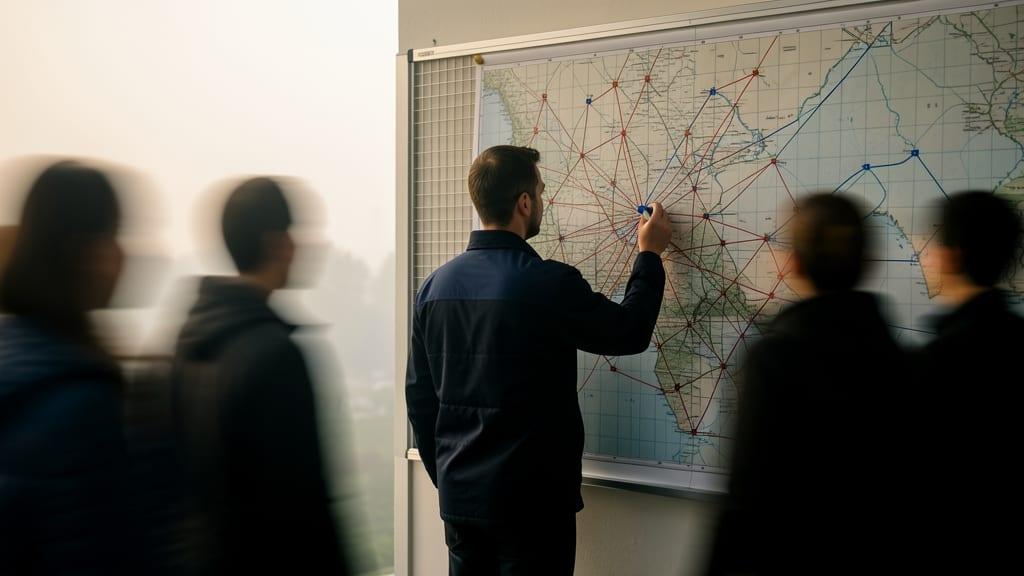
Researchers at Microsoft developed a machine learning pipeline designed to safeguard power grids from the unpredictable nature of space weather. The system processes real-time data to forecast risks across 66,935 electrical substations in the United States.
Space weather occurs when solar activity creates geomagnetic storms that can disrupt power lines and damage sensitive equipment on the ground. Predicting these events is complex because they depend on local geological conditions and the specific layout of the power network.
This work demonstrates how physics-grounded machine learning could support more specific and timely assessment of space-weather exposure.
To address this, the pipeline performs three main steps:
- It analyzes solar wind data from the L1 Lagrange point to predict geomagnetic indices.
- A gradient-boosting model calculates the potential rate of magnetic field change for specific locations.
- Finally, it evaluates the risk for each substation based on local ground conductivity.
During a test period between 2020 and 2026, the AI accurately identified nearly 80% of major space-weather events. Operators can receive these risk estimates 30 to 60 minutes ahead of time, providing a window to adjust network loads or configure equipment to prevent damage.
The research demonstrates how physics-informed AI can bridge the gap between abstract solar activity and physical infrastructure safety. By mapping out potential danger zones, utilities can shift their focus from general warnings to targeted protective measures.
This technology is not yet ready for live integration into national grid operations. It requires further validation with utility providers and extensive testing to ensure it functions correctly alongside existing power management workflows.
Source: Microsoft Research Blog