NHS invites 700,000 women into the world's largest AI breast screening trial
In the £10 million EDITH trial, AI stands in for one of the two specialists who read each mammogram, and every image is still checked by a human.
In brief
NHS invites 700,000 women into a trial of AI reading mammograms
Britain's NHS has started recruiting for EDITH, the world's largest trial of AI in breast cancer screening, with nearly 700,000 women over three years. AI will stand in for one of the two specialists who read each mammogram, and a human still checks every image.
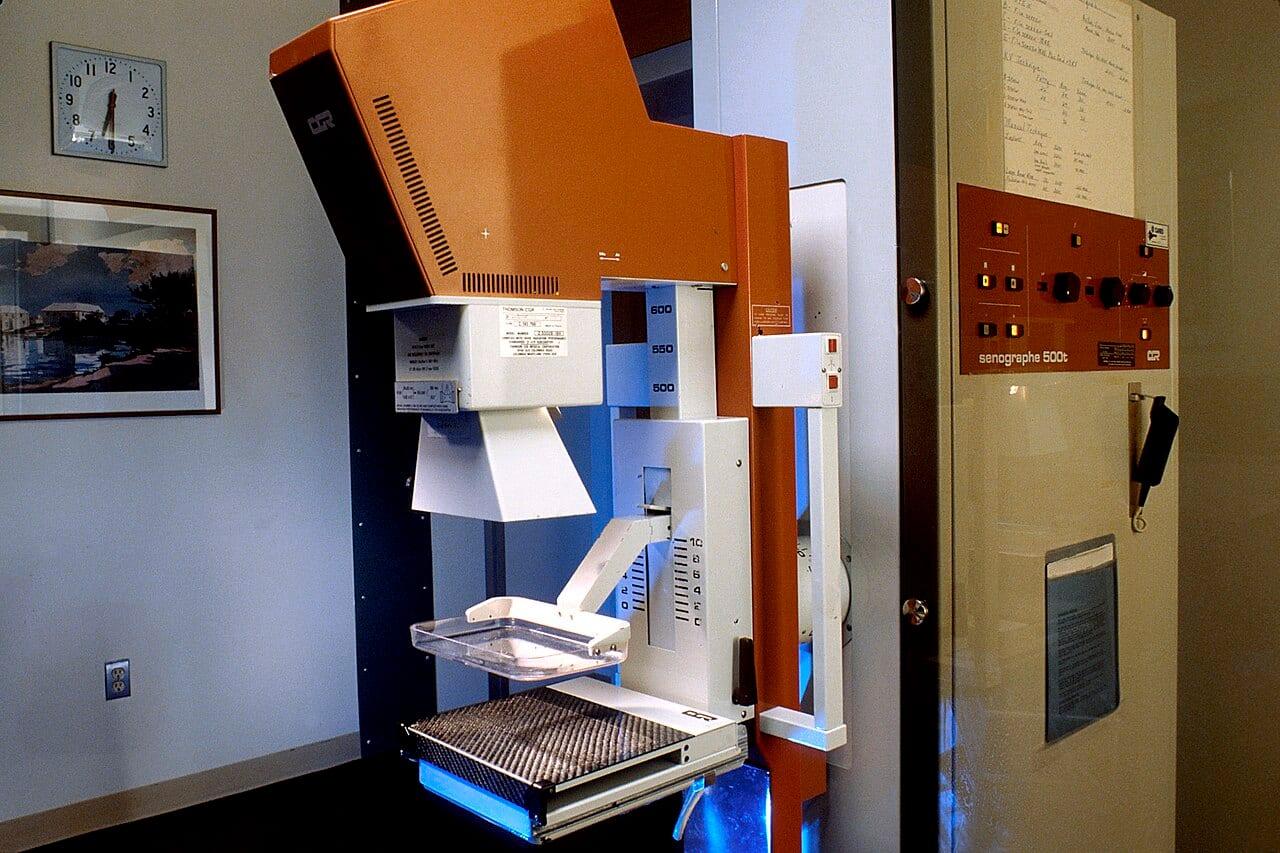
Britain's National Health Service (NHS) has started inviting women to EDITH, which its organisers call the world's largest trial of artificial intelligence in breast cancer screening. Nearly 700,000 women attending routine screening in the UK over the next three years will take part, NHS England said on November 23, as recruitment opened at Cambridge University Hospitals, the first of 30 sites.
The question it asks is easy to state and hard to answer: can software safely do half of a job that two doctors do today?
AI-assisted technology could help improve early cancer detection but we want to avoid the overdiagnosis of milder disease that would never have caused symptoms
How breast screening works now
In the UK, women aged 50 to 71 are invited for a mammogram, an X-ray of the breast, every three years. More than 2 million attend each year, according to the BBC. Each image is read by two specialists. Fewer than 1% of mammograms show signs of cancer, so most of that expert time goes into confirming that nothing is there.
The screening programme prevents around 1,300 deaths a year, according to the trial's organisers, and about a third of breast cancers in England are found through it, according to the charity Breast Cancer Now.
What changes in the trial?
For the women, nothing changes at the appointment. The difference is in who looks at the pictures afterwards. The trial tests whether an AI tool can replace one of the two human readers, so that most images need only one specialist. In one arm of the trial the AI grades images before they reach NHS experts; in another it reviews them afterwards, the BBC reports.
Every mammogram will still be read by at least one radiologist. "Importantly, all clinical decisions during EDITH will remain with NHS staff," said Sian Taylor-Phillips, professor of population health at the University of Warwick and the trial's chief investigator. Her team has tested four AI systems for accuracy. The organisers have not said publicly which companies make them.
Women will learn about the trial in their usual screening letter, which explains how to opt out.
Cambridge University Hospitals posted a short video in which Professor Fiona Gilbert and a local patient explain the trial:
Why does the NHS want this?
The pressure is staffing. Fiona Gilbert, a radiology professor at the University of Cambridge and the trial's co-lead, told the BBC there is a "huge shortfall" of radiologists, while the number of imaging exams grows by 8% a year.
| Key figures | |
|---|---|
| Women to be invited | Nearly 700,000 |
| Length | About 3 years |
| Sites | 30 across the UK |
| Cost | £10 million (about $13 million) |
| AI systems tested | 4 |
| Readers per mammogram today | 2 |
The money comes from the National Institute for Health and Care Research (NIHR), the government's health research funder. The trial is led by the University of Warwick, the University of Cambridge and Cambridge University Hospitals, working with NHS England. A separate platform, AIR-SP, built by NHS England with nearly £6 million of government money, is meant to make it easier for more hospitals to join AI screening trials.
The risk researchers are watching
Smaller studies have suggested AI can find more cancers. The worry is the opposite mistake. "AI-assisted technology could help improve early cancer detection but we want to avoid the overdiagnosis of milder disease that would never have caused symptoms," Taylor-Phillips told the BBC. Overdiagnosis means treating women for cancers that would never have harmed them, and calling healthy women back for extra tests causes real anxiety.
Health Secretary Yvette Cooper said: "AI has huge potential, but we also need proper safeguards in place to make sure we're using it safely and effectively to improve treatment and research." The organisers say the NHS will only change how screening works if the evidence shows AI-assisted reading is as safe and effective as the care women get now.
What it means for you
If you live in the UK and get a screening letter, you can take part or opt out, and your appointment is the same either way. Outside Britain, the result is worth waiting for: EDITH will be the largest body of evidence yet on whether software can share the reading of mammograms with doctors, which matters to any screening programme short of specialists. My read: the number to watch is how many false alarms the AI adds or removes, more than how many extra cancers it finds.
Sources
- NHS England: First women join world-leading AI-assisted NHS breast screening trial (england.nhs.uk)
- University of Warwick: First women join world's largest AI assisted breast screening trial (warwick.ac.uk)
- BBC: Can AI spot breast cancer earlier? NHS launches world's largest trial to find out (bbc.com)
- University of Cambridge: Cambridge co-leading world's largest trial to use AI to help detect breast cancers earlier (cam.ac.uk)
- Cambridge University Hospitals: Cambridgeshire women are first to join world-leading breast screening trial (cuh.nhs.uk)
Source: england.nhs.uk