Nvidia's board is deciding whether to fire founder and CEO Jensen Huang
Reports of two extramarital affairs, one with a woman US intelligence suspects of spying for China, have pushed the dominant maker of AI chips into a leadership crisis days before its earnings.
In brief
Nvidia shares fell more than 8% as the board weighed removing CEO Jensen Huang
Nvidia's board met Wednesday to decide whether to remove its founder and CEO, Jensen Huang, after reports of two extramarital affairs, one with a woman US intelligence suspects of spying for China. The shares fell more than 8% after hours, and no successor has been named.
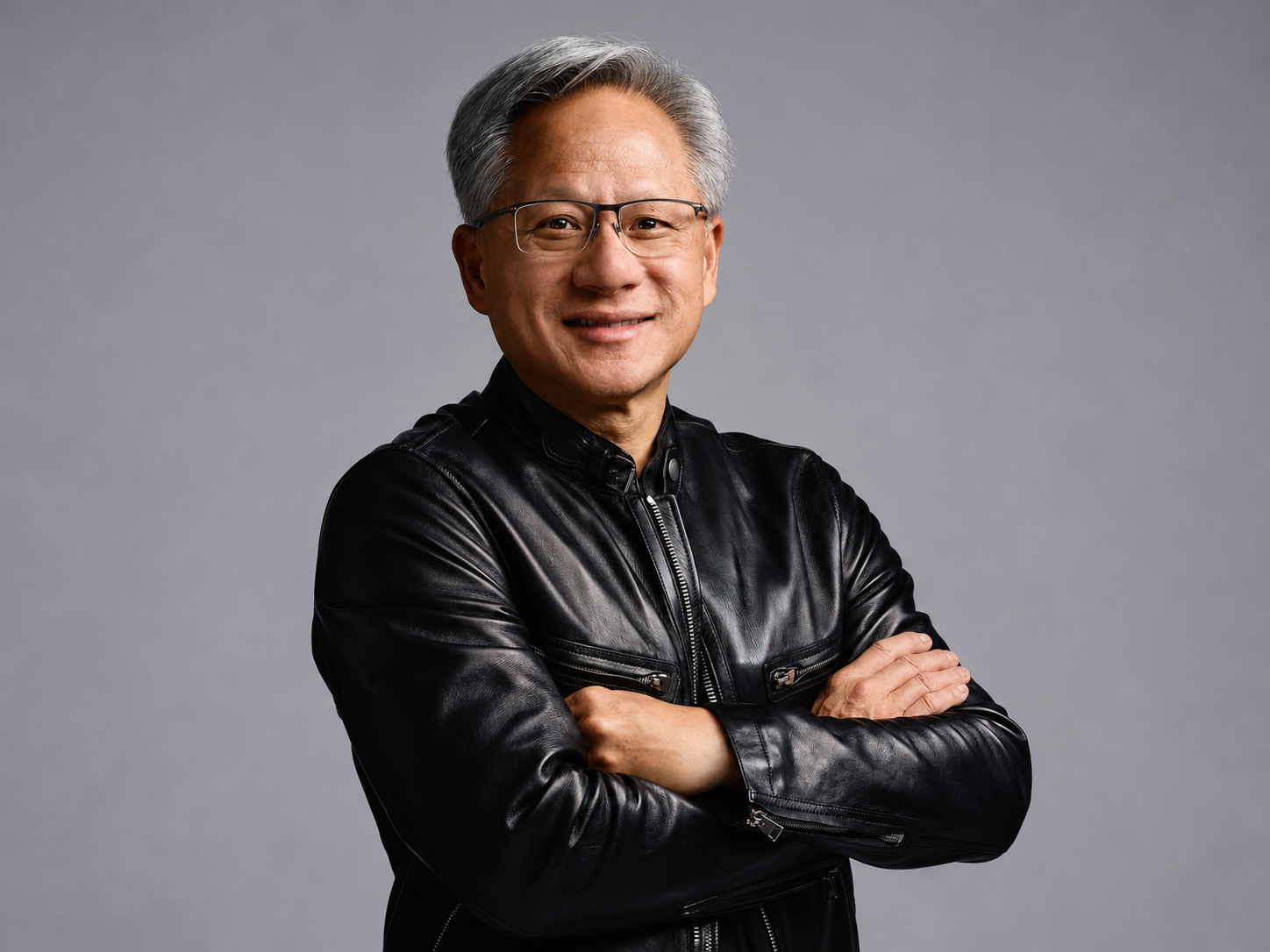
Nvidia's board met late on Wednesday, US time, to decide whether to remove chief executive Jensen Huang, a source told Reuters. The Wall Street Journal had reported hours earlier that the board was preparing to oust him. As of early Thursday, Nvidia had not announced a decision or commented on the reports.
Huang, 63, co-founded Nvidia in 1993 and has run it ever since. The company is now worth roughly $4 trillion and sells most of the chips that train and run today's AI models, so a change at the top matters far beyond Silicon Valley.
The market is starting to price Nvidia without its founder as the likely outcome, not a tail risk.
How it got here
The crisis started with reporting about Huang's relationship with Alice Huang, an executive at Megaspeed, a Singapore company that buys Nvidia hardware and rents out computing power. Reuters reports that US intelligence was probing her for helping move Nvidia chips to Chinese firms.
- Sunday, November 8: in a memo to staff, Huang admitted he had been unfaithful to his wife and took "full responsibility". The same day the board opened an independent investigation. It said it had "no reason to believe that either national security or NVIDIA secrets were compromised" and that it "has confidence in Jensen and his leadership team."
- Tuesday, November 10: the independent directors hired Joon H. Kim, a former acting US Attorney for the Southern District of New York.
- Wednesday, November 11: The New York Times reported a second affair, with Kimberly Powell, Nvidia's vice president of healthcare, who reported to him. Asked about it by phone, Huang said "I don't think you should be talking to me directly" and hung up, the paper said. Hours later came the Journal's report, and Bloomberg said the board had been working with an outside firm to find possible replacements.
The money
Nvidia shares fell more than 8% in after-hours trading. If that holds, the company will have lost about $600 billion in market value since the board announced its investigation, according to Reuters. Rivals AMD and Broadcom rose about 4% and 3% after hours.
Under Nvidia's bylaws, a majority of directors can remove Huang "with or without cause". The board has 11 members, and all but Huang are considered independent. Huang owns about 3.6% of the company.
The market is starting to price Nvidia without its founder as the likely outcome, not a tail risk.
That was Armina Rosenberg of Minotaur Capital, which holds Nvidia shares, speaking to Reuters.
Who could take over
Nobody has been named. Rosenberg called finance chief Colette Kress, in the job for more than a decade, the natural interim pick, but said the bigger question is who would lead Nvidia's technology plans. On the prediction site Polymarket, traders put an 88% chance on Huang leaving by the end of the year, and favoured Ian Buck, who runs the data center business, as successor.
What is still unclear
The affairs come from news reports, and the spying suspicion comes from US intelligence as reported in the press. The board has not said it found any wrongdoing beyond Huang's own admission. Huang also faces a possible congressional subpoena if he does not give lawmakers a closed-door briefing.
The timing is awkward: Nvidia reports its quarterly results on November 17. Investors told Reuters that demand for its chips is unlikely to drop soon. The bigger worry is the web of AI companies Nvidia invests in and supplies, which depend on that money continuing to flow.
Sources
- Reuters: Nvidia board meets to decide CEO Huang's future as leadership crisis deepens (finance.yahoo.com)
- WSJ: Nvidia Is Preparing to Oust CEO Jensen Huang (wsj.com)
- Statement From NVIDIA Board of Directors (Nov 8) (nvidianews.nvidia.com)
- CNBC: Read Huang's email to his staff and the board's statement (cnbc.com)
- Nikkei Asia: Nvidia shares plunge almost 10% on report board may oust Jensen Huang (asia.nikkei.com)
Source: finance.yahoo.com