OpenAI is giving 50,000 free ChatGPT Plus grants to university researchers on November 23
Each grant covers a researcher and two collaborators. The catch: the new round gives Plus instead of Pro, and you have to be research faculty or a postdoc.
In brief
OpenAI's 50,000 free ChatGPT Plus grants for researchers go first come, first served
OpenAI will hand out 50,000 free ChatGPT Plus grants to university researchers on November 23, first come, first served. Each grant covers a researcher and two collaborators. Research faculty and postdocs qualify; most students do not.
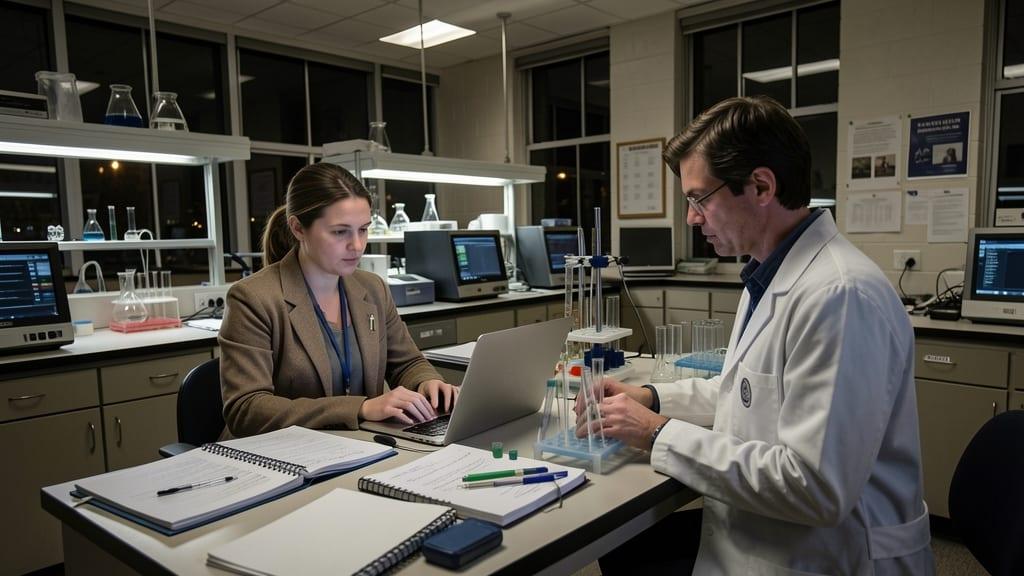
OpenAI is expanding its free ChatGPT program for scientists. Applications for the next round open on Monday, November 23, and this time there is no lottery.
"We'll award 50,000 new grants to eligible researchers on a first-come, first-served basis," the company wrote on November 16.
We'll award 50,000 new grants to eligible researchers on a first-come, first-served basis
What you get
- ChatGPT Plus for three people: each grant covers the applicant and up to two collaborators, so this round can reach up to 150,000 researchers.
- Training: OpenAI says participants also get training on using ChatGPT in research.
- Privacy: by default, data shared through the program is not used to train OpenAI's models.
The bigger goal is 200,000 researchers across the program, double the target OpenAI set when it launched the pilot in July. So far 20,000 researchers in 33 countries have joined.
The catch
The summer pilot gave ChatGPT Pro, OpenAI's top plan, and let each researcher invite up to four colleagues. New grants give Plus and two collaborators. OpenAI says most pilot users would have stayed within Plus usage limits anyway, which let it stretch the program to more teams.
Who can apply
This is not a student offer. OpenAI's researcher access guide, as reported by the research-administration group CASRAI, lists research faculty and postdoctoral researchers as applicants, says the grant lasts 12 months, and says it is open in all regions except China and Hong Kong. The original program required a recognized, degree-granting university with a high level of research activity, plus proof of your affiliation and your active research.
CASRAI notes that OpenAI has not yet confirmed the final eligibility and collaborator rules for the new intake, so check the official page on the day.
How to be ready by November 23
- Sign in to ChatGPT with your university email now, so your account matches the address you will verify.
- Check that your institution is eligible on OpenAI's list.
- Prepare two or three sentences about your current research and how you would use ChatGPT in it. The original program asked applicants for this.
- Agree on your two collaborators in advance. They will need to verify their affiliation too.
- Apply early. With 50,000 places and no lottery, slow applicants can miss out.
If you're already on OpenAI's waitlist and qualify, the company says it will email you activation instructions before applications open.
What scientists did with it
Alongside the expansion, OpenAI's economists published a study of 1,819 scientists in the pilot. Respondents estimated that an hour of work with AI would have taken about 1.9 hours without it, and 68% had used ChatGPT to develop research ideas. Those are the scientists' own estimates, collected by the company that sells the product.
Sources
- OpenAI: Broadening access to AI for scientists (openai.com)
- OpenAI: ChatGPT for Academic Researchers (openai.com)
- CASRAI: OpenAI expands free AI access to 200,000 researchers (casrai.org)
- The Next Web: OpenAI widens free ChatGPT for researchers (thenextweb.com)
- AI News Way: OpenAI opens 50,000 free ChatGPT grants (ainewsway.com)
Source: openai.com