OpenAI's models now run from a Microsoft data center inside Qatar
Microsoft and Qatar's Ministry of Communications and Information Technology say Azure OpenAI Service and other Foundry models are now available from Microsoft's Qatar Central cloud region. More than 70 public bodies have already moved systems to Azure.
In brief
Qatar's government can now use OpenAI models without its data leaving the country
Microsoft and Qatar's Ministry of Communications and Information Technology say Azure OpenAI Service and other AI models are now available from Microsoft's Qatar Central cloud region. Ministries can build AI assistants while keeping citizens' data in the country. More than 70 public bodies already use Azure.
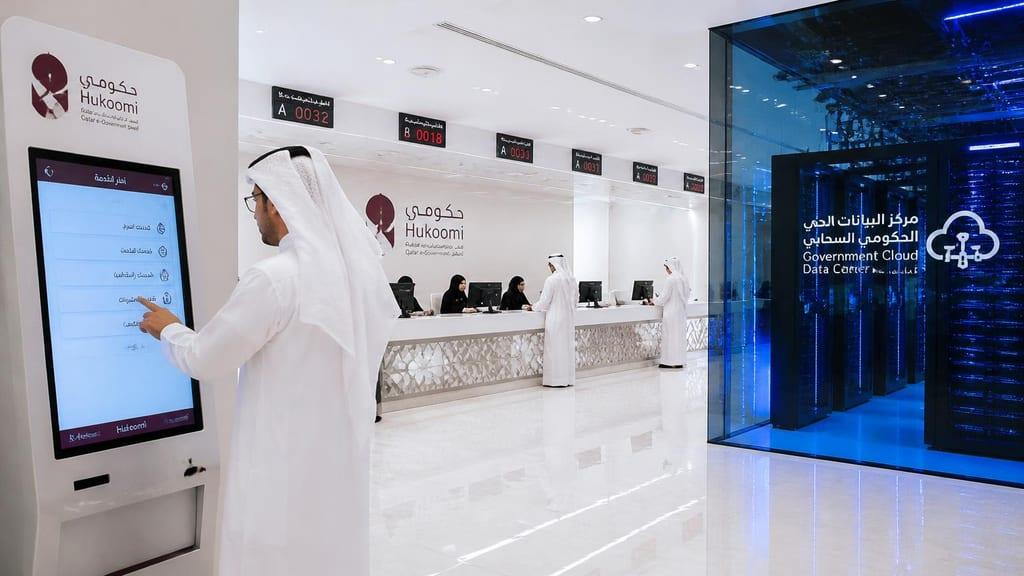
Until now, a Qatari ministry that wanted to build a chatbot on OpenAI's models faced a basic problem: the requests would be processed outside the country, which clashes with data residency rules for sensitive public data.
Microsoft and Qatar's Ministry of Communications and Information Technology (MCIT) say that has changed. At MWC26 Doha, the two highlighted the availability of Foundry models, including Azure OpenAI Service, from Microsoft's Qatar Central cloud datacenter region, The Peninsula reported on November 11.
The availability of Microsoft Foundry from our Qatar Central cloud region gives organisations the confidence to innovate with generative AI while keeping their data in Qatar
What changed
- Government entities and organisations in Qatar can now use advanced generative AI models served from infrastructure located in Qatar.
- Microsoft Foundry offers a catalog of more than 10,000 AI models. Microsoft says it plans to expand the models offered in its Qatar region as needs grow.
- Suggested uses include intelligent assistants, document and case analysis, content generation and knowledge search.
- The step builds on earlier work in which more than 70 public entities moved on-premises systems to Microsoft Azure.
"The availability of Microsoft Foundry from our Qatar Central cloud region gives organisations the confidence to innovate with generative AI while keeping their data in Qatar," said Ahmad El Dandachi, General Manager of Microsoft Qatar.
Sami Mohammed Al Shammari, MCIT's Assistant Undersecretary for Infrastructure and Operations Affairs, called cloud and AI infrastructure "a strategic priority" and tied the move to Qatar's Digital Agenda 2030 and National Vision 2030.
What it does not mean
This is not ChatGPT, the consumer app, moving to Qatar. Azure OpenAI Service is the business version that developers and institutions use to build their own tools. The announcement also doesn't say which specific OpenAI models are available in the Qatar region today, or when more of the 10,000-model catalog will be served locally.
Why residents might notice
Rules on where data is stored are one of the main reasons public bodies in the Gulf have moved slowly on AI. If ministries can now build assistants without sending citizens' data abroad, the first visible results are likely to be chat-style help on government service portals and faster handling of documents and case files. Whether that happens, and how well those tools work, depends on the agencies that build them.
Sources
Source: thepeninsulaqatar.com