Researchers developed a machine learning model to predict lung surgery complications
A new MARS model uses patient data to anticipate difficult breathing issues during repeat lung procedures.
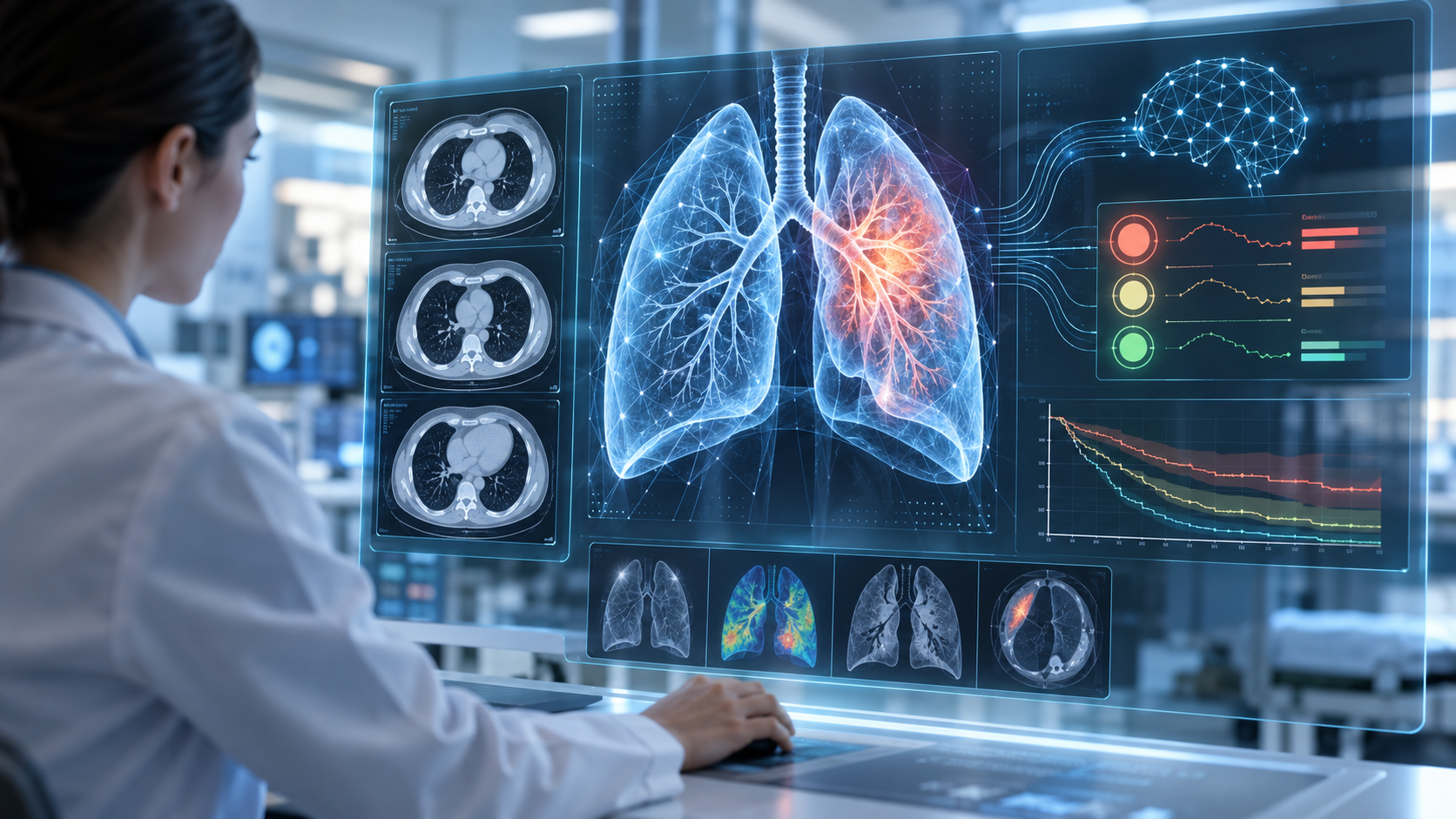
Medical researchers have built a new machine learning model to help doctors predict a condition called intractable hypoxemia before performing a second lung surgery on the same patient.
Intractable hypoxemia is a serious complication where a patient struggles to maintain oxygen levels during the procedure. It occurred in about 15% of the 2,040 cases studied across seven hospitals.
By integrating dual-time-point computed tomography (CT)-derived volumetric and clinical features, the MARS model may support preoperative risk assessment.
Traditional tests, like standard lung function exams, struggled to identify patients at high risk. They often failed to provide accurate predictions, frequently scoring below useful thresholds.
To solve this, the team tested 19 different machine learning approaches. They landed on a tool called the Multivariate Adaptive Regression Splines (MARS) model. This system works by combining clinical patient history with CT scan data from two different points in time.
In testing, the MARS model consistently outperformed older methods. It provided better accuracy in flagging patients who might experience dangerous drops in oxygen during surgery, allowing medical teams to prepare more effectively.
- The study analyzed over 2,000 patient records from 2013 to 2023.
- It combined volumetric data from CT scans with clinical metrics.
- The final model demonstrated strong performance in calibration and clinical utility tests.
How much do you think such predictive tools could change the way surgeons plan complex operations?
The model is currently limited to retrospective data analysis. It requires prospective clinical trials to confirm its effectiveness in live hospital environments before it can be used for routine patient care.
Source: npj Digital Medicine