Researchers evaluated 15 medical digital twins and found almost no proof of learning
A scoping review of 17 studies in npj Digital Medicine revealed that only one project measured actual learning outcomes.
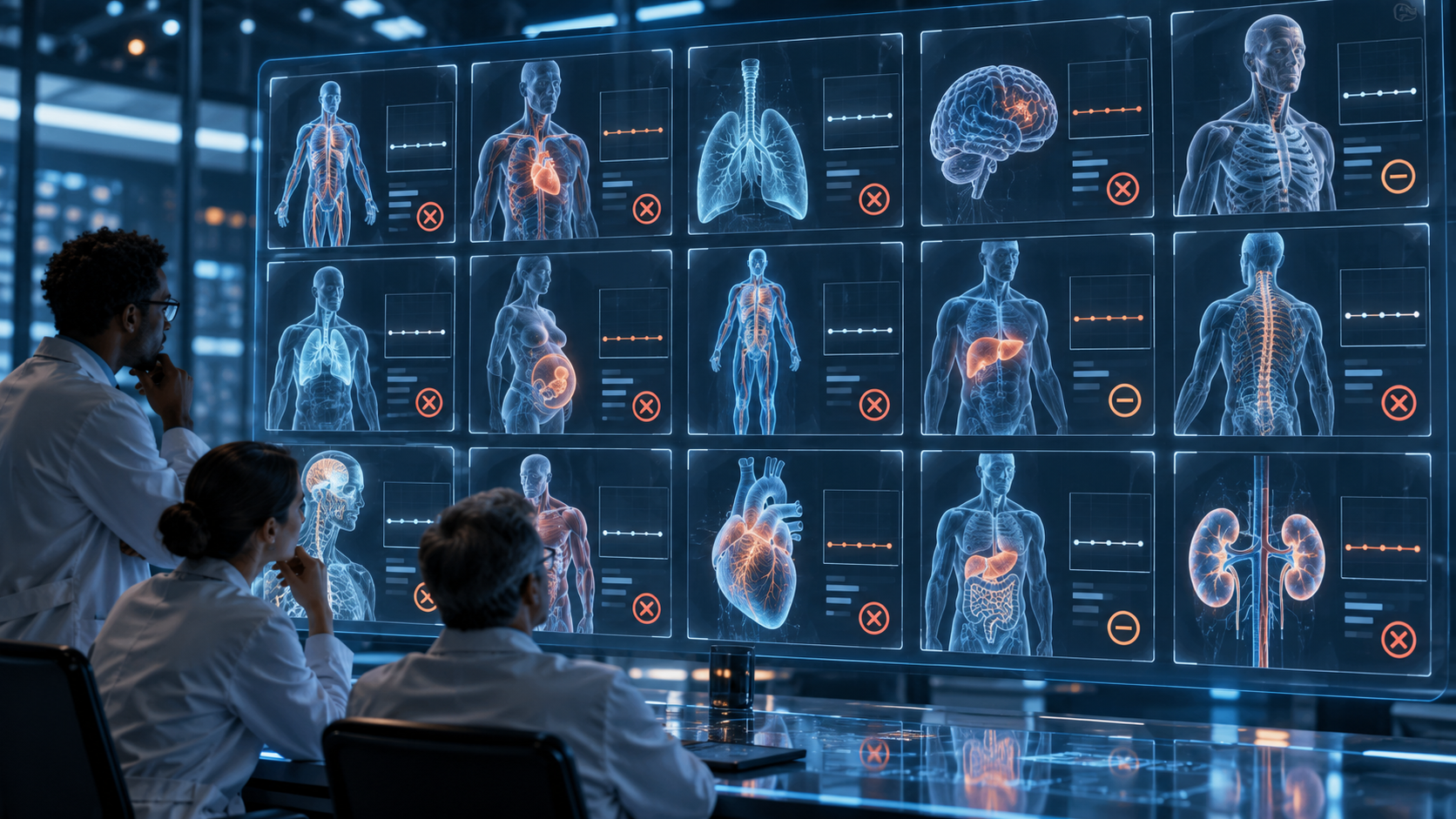
A team of healthcare researchers reviewed the emerging use of digital twins in medical training and found that educational proof lags far behind technical claims, according to a scoping review published in npj Digital Medicine.
Digital twins create dynamic virtual copies of real physical objects, such as a patient, an organ, or hospital equipment. By feeding real-world data into these computer models, software can simulate how a human body responds to treatments before a doctor makes a cut.
The review analyzed 17 published papers describing 15 distinct training systems built between 2022 and 2025 across surgery, critical care, dentistry, and radiology.
When the researchers checked each platform against the core criteria of digital twin technology—personalization, real data input, and predictive capabilities—only four systems satisfied all three requirements. Furthermore, only one system maintained two-way, real-time communication between the physical subject and its virtual counterpart.
Most projects functioned merely as early technical demonstrations. Training evaluations relied almost entirely on learner surveys asking students whether they liked the interface or felt satisfied with the experience.
Only one study measured quantitative educational performance, comparing test scores or skill improvements. None of the studies evaluated whether students made fewer errors on real patients or delivered better care in hospitals.
Could simulated virtual bodies ever replace hands-on training without hard evidence that trainees retain their skills under pressure?
The review highlighted clear boundaries for where the technology stands today. None of the analyzed systems underwent controlled clinical trials, none linked practice on virtual models to long-term clinical retention, and most remain early-stage software prototypes without proven educational value.
In this story
Source: npj Digital Medicine