Researchers identified safety gaps in sign language AI for children
Current sign-to-text tools lack safety checks for younger users, potentially misinterpreting critical help-seeking messages.
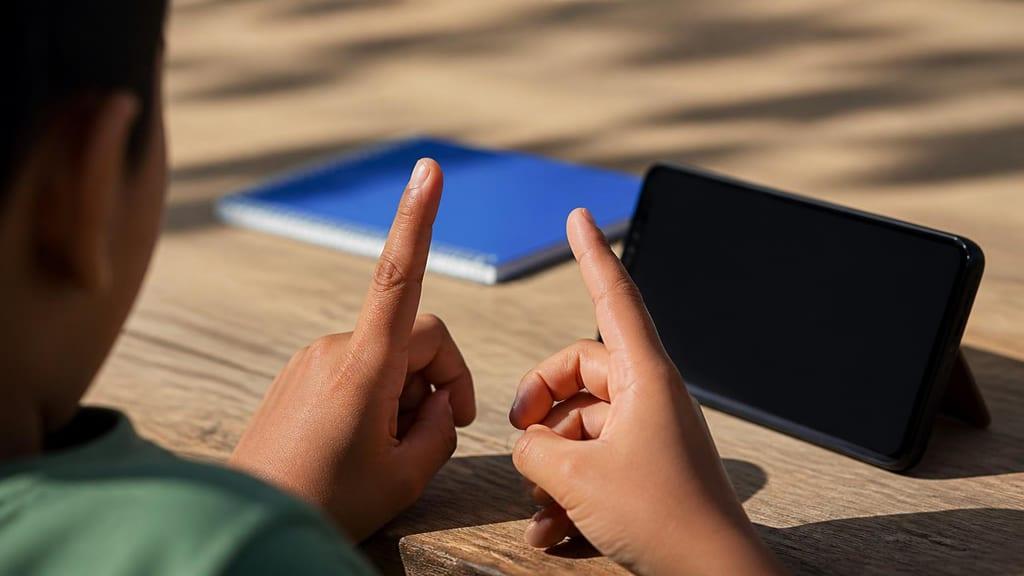
A new research paper highlights a significant blind spot in how AI handles communication from Deaf children. Automatic Sign Language Translation (SLT) tools now translate hand gestures into text for digital assistants and messaging apps. However, these translations often bypass the safety filters designed to protect minors.
AI platforms typically use text-based screening to monitor messages for risks. Because the system translates signs into text, a child's message must pass through this translation layer first. The researchers found that the leading sign-to-text models were neither trained nor formally evaluated on the specific needs of users under 18 years old.
Errors in translation can significantly alter the meaning of a message. Small mistakes in a signer’s intent might change how a system processes requests related to secrecy, help-seeking, or urgent safety concerns. A translation glitch could potentially lead an AI to ignore a serious request while appearing to maintain perfect fluency.
The study proposes a new auditing framework to test these boundaries before systems are deployed. This includes a taxonomy of potential failures and a structured approach to measuring how well models handle sensitive scenarios. The team plans to begin their testing process with Auslan, which is Australian Sign Language.
This research remains in the planning and audit proposal stage. The findings do not imply that current systems are already failing, as the study shows these tools have not yet been evaluated for children in a joint, systematic way.
Source: arXiv cs.CL