Researchers tested small language models for edge devices
A new study evaluated how lightweight AI models perform when classifying data on hardware with limited resources.
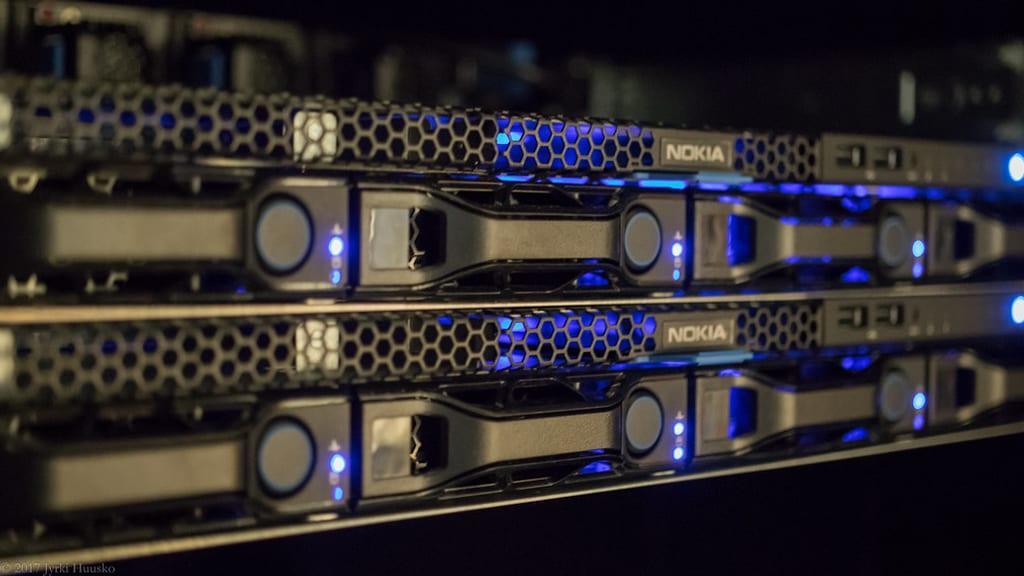
A recent academic study investigated how to run language models directly on hardware at the edge, such as IoT devices in smart cities. The researchers wanted to see if these devices could identify data types without needing to send everything to a powerful central server.
The team benchmarked various lightweight models against traditional, non-AI methods like TF-IDF and basic sentence encoders. They categorized the models into three groups: general purpose, reasoning-specialized, and code-specialized architectures.
Running AI on the edge is tricky because these devices often lack the massive memory and processing speed of data centers. The study focused on finding the right balance between how accurate the model is and how much computer power it consumes.
The results provide a roadmap for developers who need to decide which model fits their specific hardware constraints. It shows that moving some intelligence closer to the data source can save bandwidth and improve performance in energy management or environmental monitoring.
Would you prefer your smart devices to handle your data locally to keep things private and fast?
The study does not claim that small models can replace large language models for complex creative writing or deep reasoning. It also only tested these models on specific domain-based datasets, so your mileage may vary depending on the data.
Source: arXiv cs.AI