Researchers trained a deep learning model to identify malaria parasites
A new AI tool distinguishes between different malaria species in blood samples to assist in clinical diagnosis.
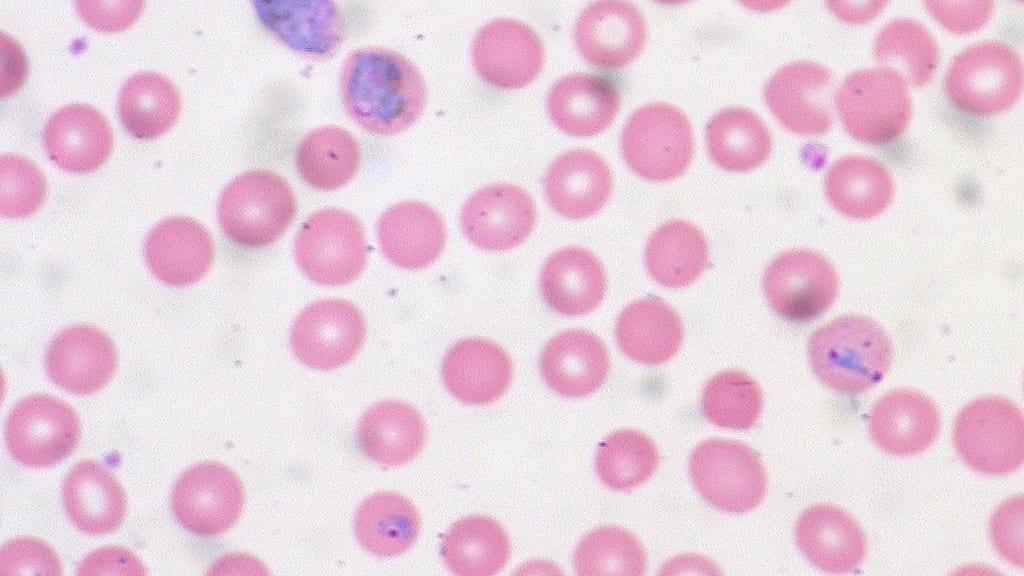
A study published in npj Digital Medicine describes a deep learning model capable of detecting malaria parasites in human blood. The system identifies multiple species that cause the disease through automated image analysis.
Traditionally, identifying malaria requires a trained microscopist to manually examine blood smears. This process is time-consuming and prone to human error, especially when caseloads are high.
The researchers used deep learning, a type of AI that learns patterns from large amounts of data, to scan digital images of blood slides. By training the model on a wide range of parasite appearances, it learned to flag infected cells automatically.
Could this speed up the diagnostic process in regions where malaria remains common? The technology offers a potential way to increase the accuracy and efficiency of screening.
The current results reflect a laboratory-based evaluation of the model's capabilities. The research does not yet show how the system performs in remote field clinics or its integration with existing hospital diagnostic hardware.
Source: npj Digital Medicine