Everful raises $48.5 million for AI agents that source goods from Chinese factories
The two-year-old startup says it ships more than 5 million items a month to more than 60 countries and expects $100 million in annualized revenue by the end of 2026.
In brief
Everful raised $48.5 million to source goods from Chinese factories with AI agents
San Francisco startup Everful uses AI agents to find and vet factories and manage orders for small retailers. It says it ships more than 5 million items a month and expects $100 million in annualized revenue by the end of 2026.
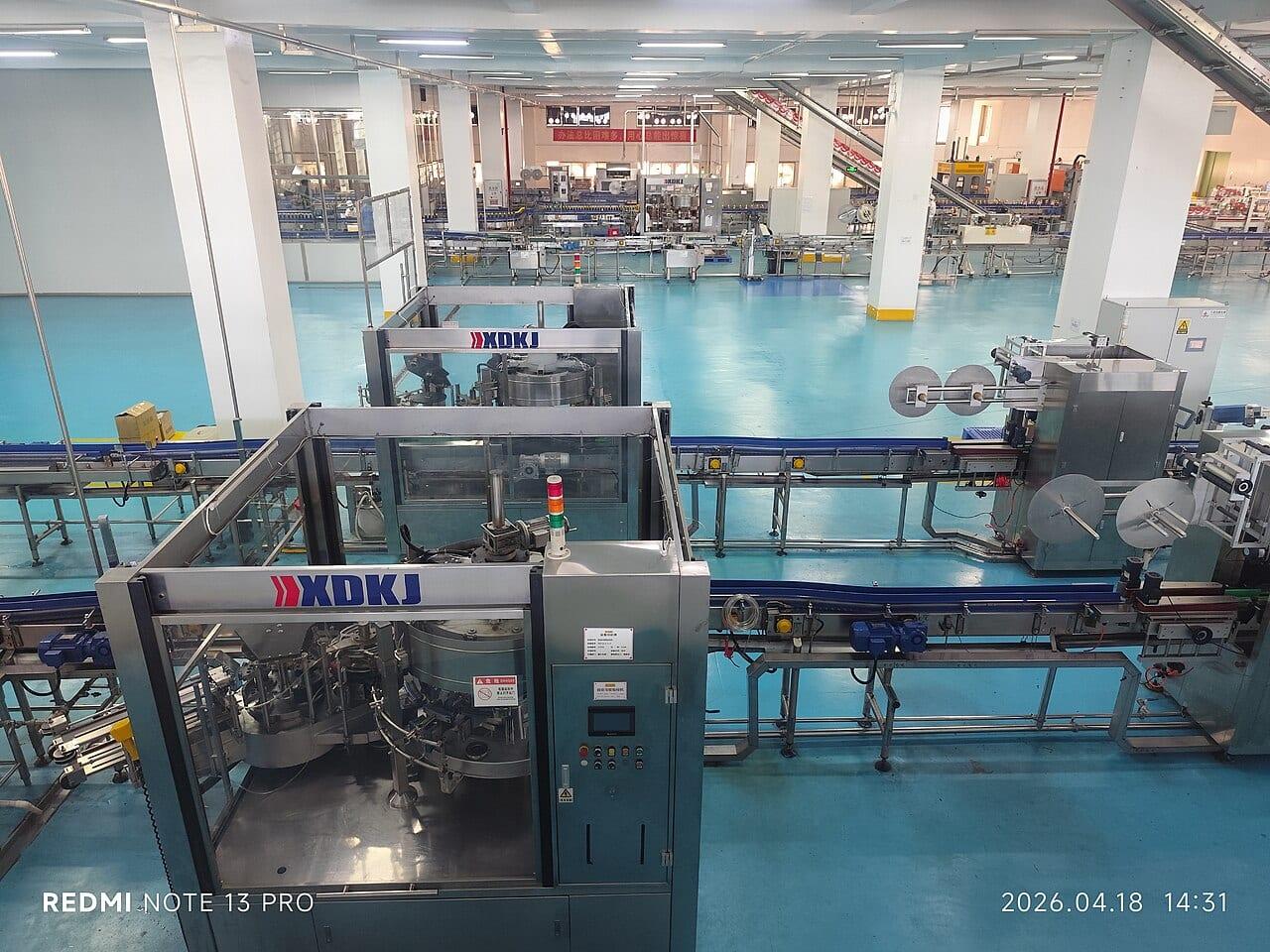
Everful, a San Francisco- and Singapore-based startup that helps smaller shops buy straight from Chinese factories, has raised a $48.5 million Series A round, the company announced on November 19. Vertex Ventures Southeast Asia & India and January Capital led the round, with existing investors Square Peg and Lightspeed taking part.
AI lets us turn that team into software.
What does Everful do?
A small boutique or online brand that wants its own products usually buys through layers of middlemen, long email threads and high minimum orders, which ties up cash in stock before anyone knows if it will sell. Everful's pitch is to take that whole job off the shop's hands: it finds factories, checks their quality with its own inspections, combines orders and handles shipping. Customers can buy wholesale, dropship or order custom products with low minimums.
The AI part is the sourcing work in between. Co-founder Kevin Han told TechCrunch that Everful's AI agents track consumer trends, identify suppliers, coordinate orders across factories and manage logistics. Co-founder and CEO Sisi Song put it more simply in the company's announcement: big retailers used to hire a sourcing team overseas, and "AI lets us turn that team into software."
How big is it?
By the company's own figures, which have not been independently checked:
| Measure | Everful's number |
|---|---|
| Items shipped per month | More than 5 million |
| Countries served | More than 60 |
| Factory partners | More than 30,000 |
| Products in catalogue | More than 20 million |
| Revenue target | $100 million annualized by end of 2026 |
| Staff | About 70, including 45 in R&D |
Song is a former Alibaba executive and Bessemer Venture Partners investor; Han previously sold his AI startup, Orbeus, to Amazon. They founded Everful in 2024, starting as a jewellery wholesaler.
Who else does this, and what could go wrong?
The field is crowded. Alibaba already connects buyers with manufacturers, and Faire lets shops buy wholesale from brands. Everful says the difference is that it takes responsibility for the whole process instead of just hosting a marketplace. "We take care of everything," Han said.
The obvious risk is trade policy. Everful sources from Chinese factories, making US-China trade policy a risk for its business. Song pointed to the US suspension of the de minimis exemption, which had let parcels worth $800 or less enter duty-free, and argued it favours a model of bulk sourcing from abroad plus local selling.
The new money will go to growth in the US, its biggest market, and in Europe, particularly the UK, France and Italy, and to more automation, including product customisation and deeper ties with e-commerce platforms such as Shopify.
Why it matters if you run a small shop
If the model works, a corner boutique could get factory prices and custom products without setting up its own overseas sourcing team. The catch is that you are trusting one company, and its AI, with quality and delivery, so ask how inspections work and who pays when a shipment arrives wrong.
Sources
Source: techcrunch.com