Hackers took 149,346 driver's license records from Uber through its AI supplier
The attackers logged in with Fireworks AI's own credentials, so the alerts Uber had set up never fired.
In brief
Hackers took license photos of 149,346 people from Uber via an AI supplier
Attackers used Fireworks AI's own credentials to reach Uber data stored with the AI company. They took names, addresses, birth dates and license images. Uber's alerts did not fire because the login looked legitimate.
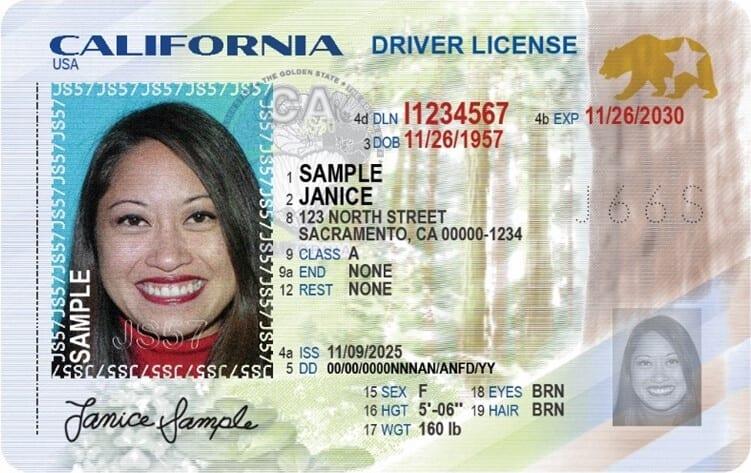
Uber is notifying 149,346 people in the United States that hackers took their names, home addresses, dates of birth, driver's license numbers and photos of their licenses. The thieves did not break into Uber. They came in through Fireworks AI, a company Uber used to run AI models, and they logged in with Fireworks' own passwords, so Uber's alarms stayed silent.
The figure comes from a filing Uber made with the Oregon attorney general. Uber has also notified regulators in California, Iowa, Massachusetts, South Carolina, Texas and Vermont, TechCrunch reported on November 16. TechCrunch describes those affected as drivers, who have to upload a license to work on the app. Uber has not given a breakdown.
We are notifying you about this incident because our investigation concluded that your personal information was among the information accessed
How the data got out
Fireworks AI is a cloud platform that lets companies run and fine-tune open AI models without managing the computers themselves. Uber had set up a separate storage area for Fireworks' work, watched by its own cloud security team. That area held images of driver's licenses and the text extracted from them, according to Uber's filing in Iowa.
| Date (2026) | What happened |
|---|---|
| August 3 to October 7 | Attackers inside Fireworks with stolen credentials and a software flaw, Fireworks says |
| October 7 | The attackers reach Uber's data using Fireworks' internal credentials |
| October 9 | Fireworks tells Uber; Uber cuts the connection |
| October 13 | Uber confirms its data was accessed |
| November 10 | Letters start reaching the people affected |
Uber says it had alerts set up to catch anyone reaching that environment without permission. Because the attackers used credentials the system trusted, "no alerts were triggered," the company told regulators. The stolen login gave no way into Uber's other systems, it says.
The thieves wanted AI, not ID cards
Fireworks says the evidence links the attack to a financially motivated group that makes money from "LLMjacking": stealing access to AI models and reselling it, so other people can run expensive models on someone else's bill. In plain terms, they broke in for cheap AI.
Our read: that is what makes this case worth your attention. The data Uber lost was not the target. It was simply sitting in the same place as the AI access the criminals wanted. As more companies send documents, chats and customer files to AI platforms, every one of those platforms becomes a place where your details can be picked up on the way to something else.
Uber was not the only customer hit. Notion said AI chat transcripts from fewer than 1% of its workspaces were taken, as we reported, and the coding tool Cursor confirmed data was accessed too. Fireworks has since disclosed two separate intrusions, from August 3 to October 7 and from October 23 to October 30, and says both are contained.
Why a license photo is worse than a leaked password
You can change a password in a minute. You cannot change your face, your date of birth or, without a lot of effort, your address. A license image also carries a photo and signature that help pass identity checks when someone opens a bank account or rents a car, which is why fraud crews pay for real scans, the security firm SafeState notes in its analysis of the breach.
Uber has not seen any misuse of the data so far, Reuters reported on November 13. "We are notifying you about this incident because our investigation concluded that your personal information was among the information accessed," the letter tells recipients.
What it means for you
If you got the letter:
- Enroll in the free credit monitoring and fraud help Uber offers through Cyberscout, a TransUnion company. You have 90 days from the date on the letter.
- Consider a credit freeze with the three US credit bureaus. It is free and blocks new accounts from being opened in your name.
- Treat any call, text or email that mentions this breach as a possible scam until you have checked it yourself through the Uber app.
If you did not, the lesson still applies. Every time an app asks for a scan of your ID, that scan may travel to suppliers you have never heard of, and some of them now are AI companies. Where a service lets you, delete old ID uploads. In places with strong privacy laws, such as the European Union or California, you can ask a company who it shares your data with.
Sources
- TechCrunch: Uber says hackers stole information on close to 150,000 driver's licenses (techcrunch.com)
- Fireworks AI: Security bulletins (fireworks.ai)
- Security Affairs: Fireworks AI breach exposes Uber data (securityaffairs.com)
- The Record: Uber says nearly 150,000 impacted by third-party breach (therecord.media)
- SafeState: Uber data breach hits 149,346 drivers after AI supplier hack (safestate.com)
Source: techcrunch.com