Britain's privacy regulator says data requests written with AI are still valid
New guidance from the UK Information Commissioner's Office says subject access requests written with AI are valid, even when they contain mistakes. Companies can ask what you mean, but they can't refuse just because AI helped.
In brief
UK companies must answer a personal data request within a month even if AI wrote it
New guidance from the UK Information Commissioner's Office says requests for your personal data are valid even if AI wrote them and they contain mistakes. Companies can ask what you mean, but they still have one month to reply and can't refuse just because a chatbot helped.
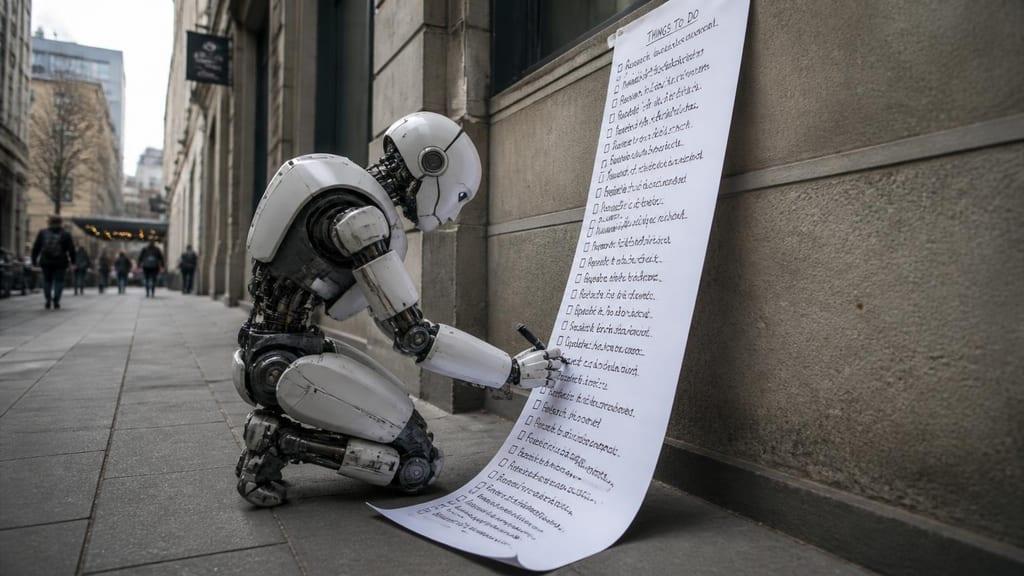
In the UK, as in the EU, you have the right to ask any organisation for a copy of the personal data it holds about you. This is called a subject access request, or SAR. More people now ask ChatGPT or another chatbot to write these letters, and companies have been complaining that the results are long, vague and full of wrong legal references.
On November 11 the UK Information Commissioner's Office (ICO) published guidance on these "AI-assisted SARs." Its answer is plain:
A request isn't invalid just because a person used AI to help draft it.
A request isn't invalid just because a person used AI to help draft it.
What the ICO tells companies
- Treat it like any other request. AI is "another form of assistance," like a spell checker. What matters is whether it's clear the person wants their personal information.
- Mistakes don't cancel it. AI-written requests may misstate rights, quote laws from other countries or cite case law that doesn't exist. The ICO calls these "hallucinations" and says such a request is still valid.
- Same deadline. Companies must reply as soon as possible and no later than one month. Using AI doesn't automatically make a request "complex," so it doesn't automatically earn the extra two months.
- Clarification is allowed, within limits. A company can ask what you mean if a request is unclear, which pauses the clock. It can't force you to narrow your request.
- Long isn't the same as excessive. AI use does not, by itself, make a request "manifestly unfounded or excessive," the grounds on which a company may refuse or charge a fee.
The fraud warning
The ICO also warns that criminals may use AI to fake ID documents or letters of authority to get someone else's data. Companies should check contact details against their records and confirm with the person if anything looks off.
How to write a better request with AI
The guidance is written for organisations, but it works as advice for everyone else too:
- Say clearly that you want a copy of your personal data. You don't need to quote any law for the request to be valid.
- Cut the padding. Remove legal references you don't understand and laws from other countries. The ICO says clear, specific requests make it easier to find your data.
- Check the address. AI tools sometimes invent contact details. Make sure the reply will reach you.
- Keep sensitive details out of the chatbot. The ICO reminds people that AI systems can keep and reuse what you type.
Outside the UK
This guidance applies under the UK GDPR. People in the EU have the same right of access under the GDPR, and data protection laws in Saudi Arabia and the UAE also give people a right to access their personal data. The ICO's view isn't binding outside Britain, but it shows how one major regulator is treating requests that chatbots write.
Sources
Source: ico.org.uk