AI rehab exergame added heart-rate safety for stroke care
A commentary in npj Digital Medicine proposed live heart-rate monitoring to keep home stroke rehab inside safe limits.
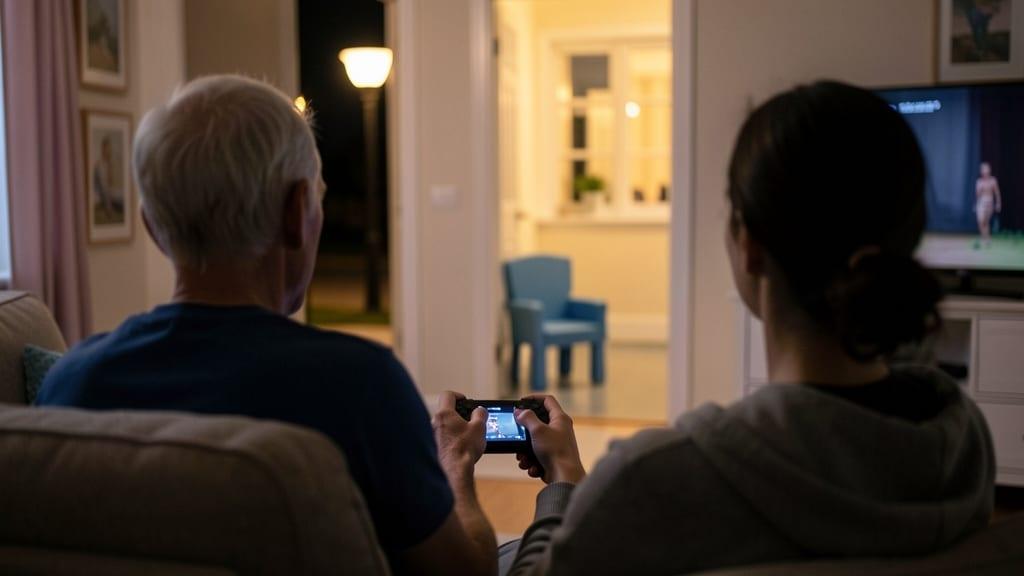
An AI rehab exergame was extended with live heart-rate monitoring so stroke survivors can exercise at home with a safety check built into the loop, according to a commentary in npj Digital Medicine.
The idea builds on Tannús and colleagues’ lightweight system, which uses a standard RGB camera to track upper-limb movement and estimate Fugl-Meyer Assessment scores with a linear model.
If heart rate rises past a personal limit, the game can slow down or send an alert.
The new proposal keeps that camera-based setup, but adds a cardiovascular guardrail. If heart rate rises past a personal limit, the game can slow down or send an alert.
That matters because stroke survivors often have heart disease risks, autonomic problems, or medicines that change how heart rate behaves. A movement score alone does not tell the full safety story.
The authors say heart rate is the most practical signal for real-time monitoring. Consumer wearables such as Apple Watch, Fitbit, Polar, or a chest strap can send data over Bluetooth Low Energy to a Unity-based game engine.
They outline a 3-phase validation path. First comes threshold testing in healthy people, then laboratory testing with stroke survivors using ECG as the reference, and then a home pilot focused on safety, adherence, and usability.
The operating rules are specific. A visual and audio alert would fire if heart rate stays above the limit for more than 15 seconds. If it stays high for 30 seconds, the game gets easier. A sudden drop of more than 20 bpm in 10 seconds would pause the session.
There is also a fail-safe. If 3 alerts happen within 15 minutes, the system forces a 5-minute cool-down and logs the event for remote review within 24 hours by a therapist or physician.
The proposal also sets target zones using age, resting heart rate, and beta-blocker dosage when relevant. For people on beta-blockers or with pacemakers, the authors say perceived effort or movement changes should replace heart-rate targets.
The suggested lab phase would include 20 stroke survivors, and the home pilot would include 15 participants. The paper does not show clinical results for the new safety loop yet, and the wearable accuracy still has to be checked against ECG in stroke patients.
Source: npj Digital Medicine