Businesses added AI agents to their official corporate records
Nearly one in four managers reported that their organizations have integrated autonomous AI workers into their official team structures.
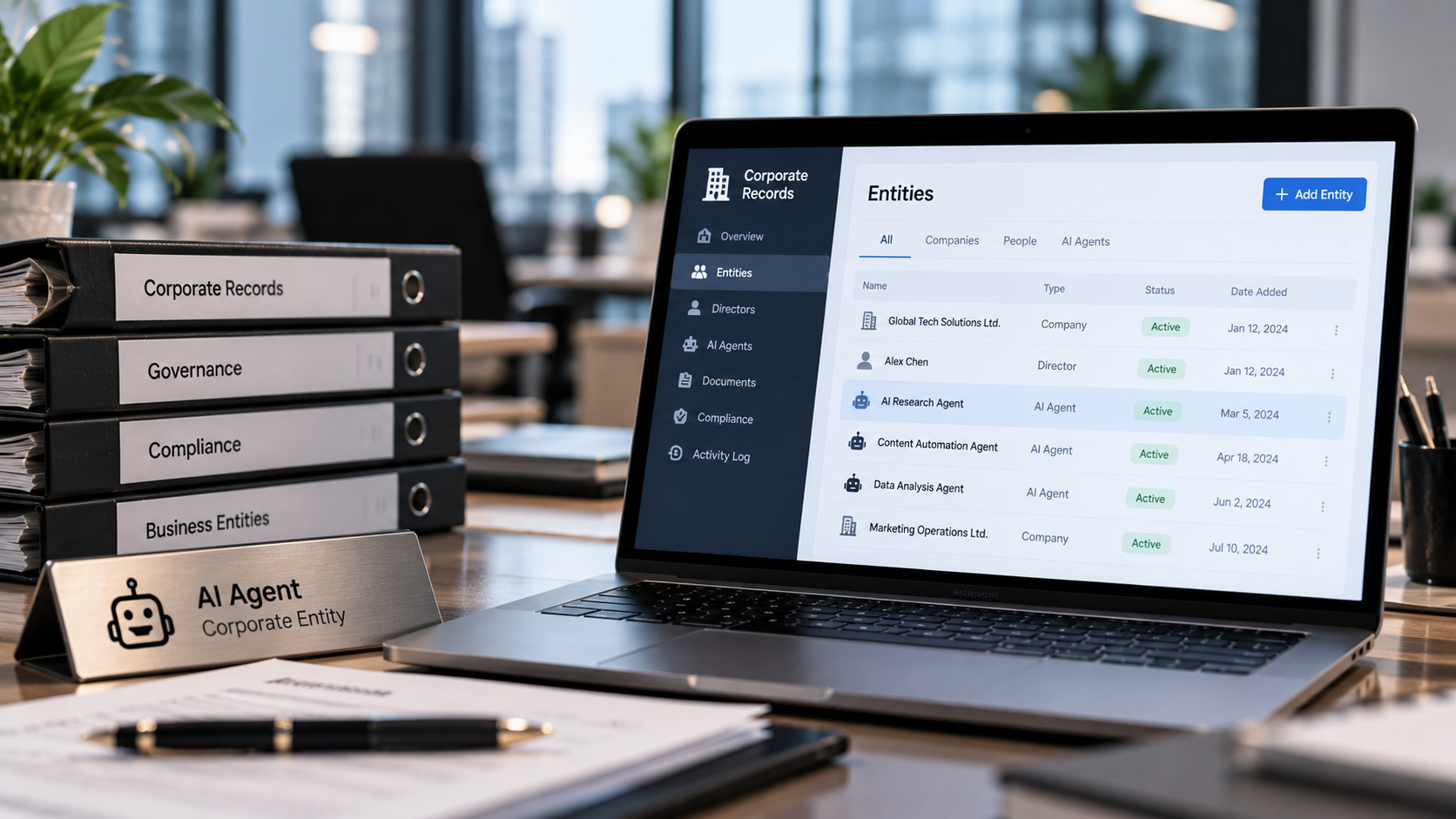
Companies are increasingly adding AI agents to their corporate teams, moving beyond simple software tools to digital employees with specific names and roles. These systems operate autonomously to handle tasks like drafting emails, managing calendars, or writing contracts.
A survey of 1,261 managers conducted in January found that 22 percent of their organizations have formally placed AI agents on their corporate organizational charts. This shift marks a transition from using AI merely for assistance to treating these models as recognized teammates.
People start to really respect the agent and form strong attachments.
Startups and tech giants are now offering digital employees that reside within workplace communication platforms. For instance, Microsoft launched an agent called Scout to handle scheduling, while companies like Anything offer a platform called Skydive that provides agents for various business workflows.
To help staff interact with these systems, developers often use human-like avatars or names. The goal is to make the technology feel more approachable, though some experts warn that this anthropomorphism might influence how people judge the output of these agents.
Research suggests that when managers know a task was performed by an AI agent, they tend to overlook errors more often than if they believed a human produced the work. Companies are still learning how to set appropriate limits for these automated colleagues.
Could your next project manager be a piece of software? The technology currently lacks the nuance of human office politics and cannot replicate the full spectrum of professional accountability.
Source: WIRED: Artificial Intelligence