Meta launched an AI agent with a child-friendly mascot design
The new Muse agent features a character named Jolly, sparking concerns about the appropriateness of its aesthetic for an adult-only product.
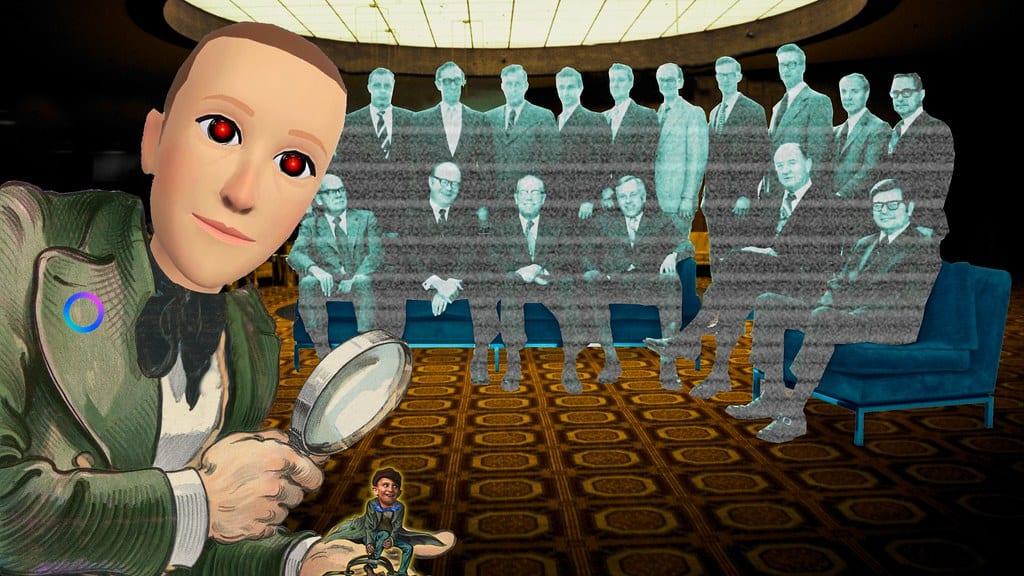
Meta recently introduced its Muse AI agent to the public. The software uses a mascot named Jolly, which sports a rounded, soft look often found in children's toys and media. While the tool is restricted to users over 18, its visual style mimics popular plush characters, creating a contrast between the target audience and the branding.
A friendly interface
Agents like Muse are trying to convince us they’re just a cute little guy who lives in your pocket.
Meta representatives claim the design choice aims to make the experience more delightful and approachable. By replacing traditional corporate logos with an interactive character, the company hopes to lower the barrier for users who find direct interactions with AI entities to be cold or awkward.
Safety and privacy
To manage access, Meta requires date-of-birth verification for all users. The company plans to release a confidential version of the virtual machine running Muse later in 2026, which may offer cryptographic protections against data access. Currently, the system trains its models on user interactions unless they manually opt out.
The debate over cuteness
Critics argue that such designs can disarm users and encourage them to ignore potential privacy risks or the underlying data-collection processes. Some experts suggest that using "cute" mascots is a common marketing strategy to lower defenses and increase user retention. If a digital assistant looks like a friendly companion, do you find yourself trusting it more with your personal information?
Current limitations
While the product is aimed at adults, the company has not yet released the promised confidential computing feature, meaning privacy controls depend on user settings today. Additionally, there is no technical proof that the mascot’s design influences decision-making, though researchers are currently studying how such aesthetics affect user behavior.
Source: WIRED: Artificial Intelligence