New AI tool accurately identifies strabismus from nine photographs
Researchers developed an AI system that matches the accuracy of specialists in diagnosing various types of eye misalignment.
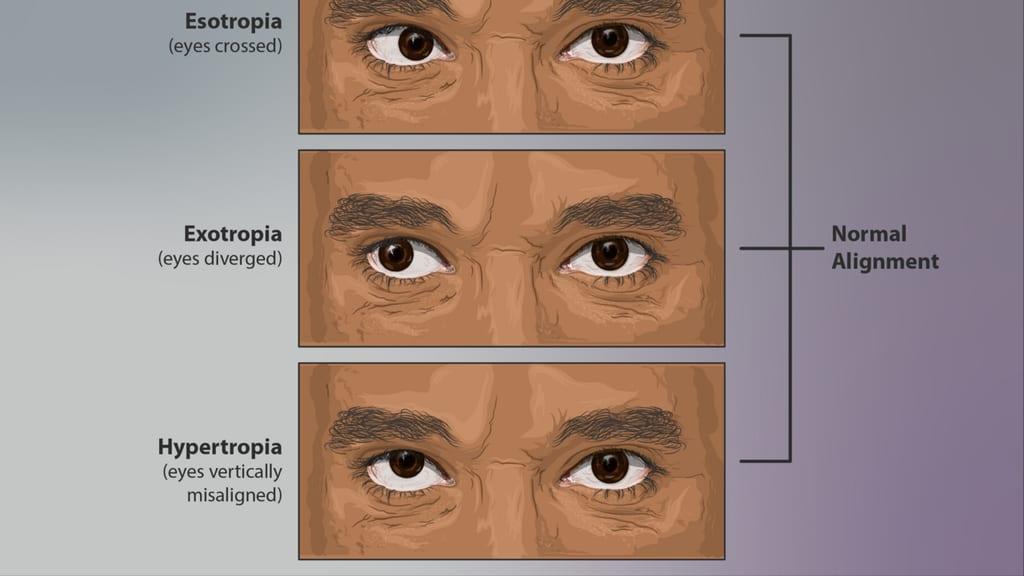
A research team from Sichuan University introduced Strabismus-Net, a deep learning architecture designed to detect strabismus, a condition where eyes do not align properly.
The system uses nine-gaze photographs to analyze eye positioning. It combines dual-stream cross-attention and adaptive feature aggregation to process these images. These technical methods allow the model to focus on subtle indicators of misalignment that might be missed during a standard examination.
Researchers validated the model using a massive dataset of over 84,000 photos from nearly 9,500 individuals. Testing showed the system reached an area under the curve of 99.53% for screening. When classifying specific subtypes of strabismus, it achieved results ranging from 90.20% to 99.19% accuracy.
The study compared the performance of Strabismus-Net against three senior specialists and three junior residents. The AI model performed at a similar level to the senior doctors. It was statistically more accurate than the junior residents when identifying complex cases like vertical strabismus or confirming healthy eyes.
This digital health solution is intended to support community physicians. It aims to streamline the referral process and provide preliminary diagnostic assistance in areas where eye specialists are not easily accessible. Could such automated tools change how we approach routine vision screenings in the future?
The research does not indicate how the tool performs on diverse populations outside of the study group, nor does it replace a comprehensive physical examination by an ophthalmologist. The study focused on diagnostic support and does not provide treatment plans or surgical guidance.
Source: npj Digital Medicine