One extra head camera did not always help robot hands
A comparison on a real bimanual robot found wrist cameras were strong on their own, and cropped head views helped more than full images.
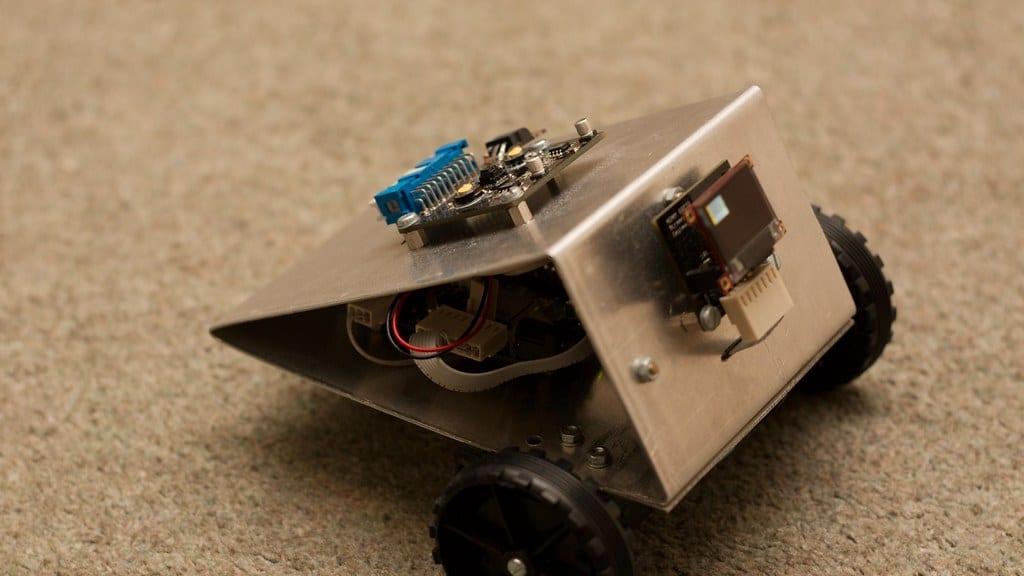
A bimanual robot manipulated tabletop objects using two wide wrist cameras, and a comparison study found that adding a head camera did not always improve the result.
The paper from arXiv cs.RO tested policies on a real robot platform across 3 tabletop tasks. The main question was simple: if a robot already sees the scene well from its wrists, does a head view add much?
The lesson is not more cameras always win.
In these tests, the wrist cameras already showed the objects, the grippers, and the goal areas. In that setup, wrist-only policies were already a strong baseline.
When the wrist-camera field of view was narrowed, the head view became more useful. But the cleanest gains came when that extra view focused on the useful part of the scene instead of showing the whole image.
That is where region-of-interest, or ROI, cropping came in. Think of it as asking the camera to look at the important part instead of the whole room. The cropped head view helped more consistently than the uncropped one, which was full of background and other distractions.
The paper also points to a data effect. Wider views helped cover more of the scene, but they seemed to need more demonstrations before they became stable.
With enough demonstrations, those wider observations may reach a higher ceiling. So the lesson is not “more cameras always win.” It is more like “the right information in the right place wins.”
For robot manipulation, that matters a lot. A robot does not need a bigger pile of pixels as much as it needs the pixels that answer the task at hand.
The work does not show that a head camera is useless, only that its benefit depends on what the wrists already see, how much of the view is relevant, and how many demonstrations are available. It tested 3 tabletop tasks, not every kind of robot job.
Source: arXiv cs.RO