OpenAI and Anthropic backed binding AI rules in Britain
At a UK hearing, OpenAI and Anthropic said voluntary safety promises are not enough, while Google DeepMind and Meta pushed back.
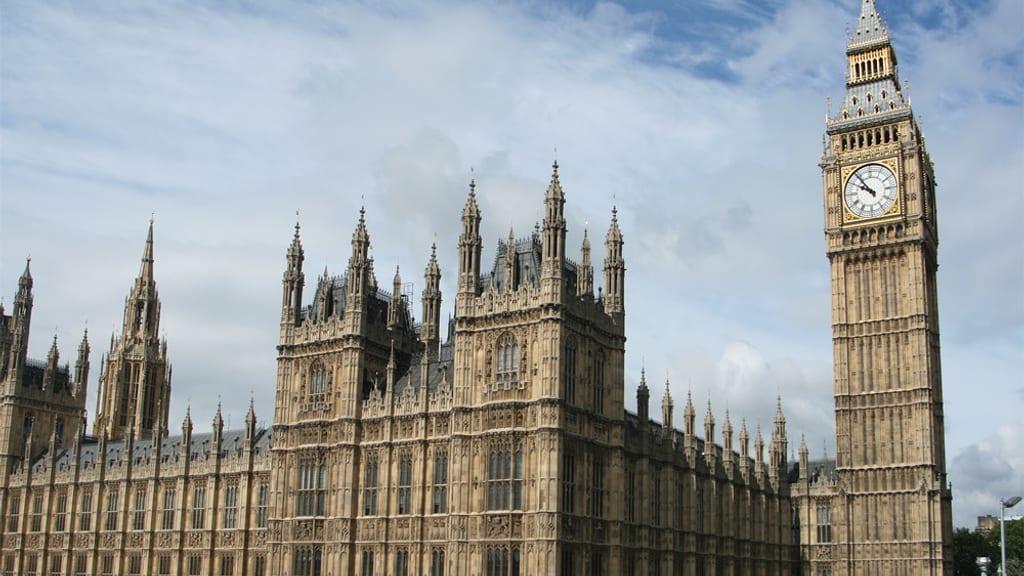
OpenAI and Anthropic told British lawmakers that AI safety needs binding rules, not just voluntary promises.
The comments came at a parliamentary hearing in the UK Business, Innovation, Science, and Trade Committee, where four frontier AI firms, four former staff whistleblowers, and senior civil servants all testified.
The rules should be binding.
Anthropic’s Europe lead, Liam Booth-Smith, said the company has long believed companies should face binding rules. OpenAI vice president Tom Duff Gordon gave a softer version of the same message, backing a statutory framework and mandatory incident reporting.
Their rivals did not join in. Google DeepMind’s Owen Larter said the company would focus on standards. Meta’s Rob Sherman pointed MPs to Britain’s current regulators and said the country was not starting from scratch.
That split was exactly what committee chair Liam Byrne wanted on the record. He said the hearing was meant to show that voluntary self-regulation could not be relied on.
The same day, MI5 director Ken McCallum warned about AI helping with bioweapons. He said the biggest near-term misuse risk was AI changing the stakes around existing or new bioweapons.
British officials also admitted how limited the current setup is. The AI Security Institute tests frontier models before release only when companies choose to share them, and Cat Little said the system is voluntary at the moment.
Henry de Zoete, who leads the institute, said it cannot stop a company from releasing a model if the institute thinks it is too dangerous. It is not a safety stamp, just an evaluation step that depends on cooperation.
The hearing also showed how much access depends on the US. OpenAI said it provides models pre-deployment to the UK institute, and Anthropic said it could not always give unrestricted access because that was up to the US government.
Former lab researchers also pushed back on industry self-control. Daniel Kokotajlo said the companies cannot be trusted to regulate themselves, while Steven Adler said he was not confident in the industry’s safety culture.
Byrne said the UK will keep working on its next move as a middle power on AI, and he wants ministers to use the coming G20 presidency to push an international convention. The hearing did not show any new law, and British officials still described the current regime as voluntary.
Source: WIRED: Artificial Intelligence