Multi-robot systems can save processing power by grouping task assignments
Grouping tasks before processing them reduces the workload on robot brains, though it may delay response times in some scenarios.
Multi-robot teams often rush to process every new task the moment it appears. A new study tested whether waiting to group these tasks together—a method called task-admission coalescing—could help robots work more efficiently.
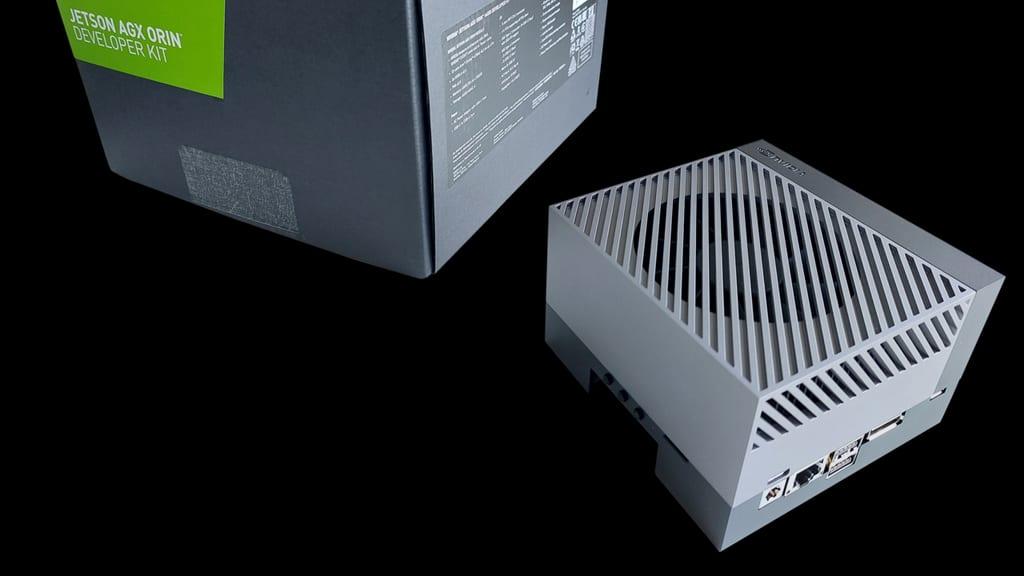
Researchers ran 3,000 simulations using hardware like the AGX Orin, along with physical tests using Pololu 3pi+ RP2040 robots. They compared "eager" task assignment against policies that waited for batches of two, four, or eight tasks.
The usefulness of task-admission coalescing depends on arrival intensity, allocator-specific behavior, and the relative cost of computation on the execution platform.
In many situations, batching the tasks significantly lightened the load on the robots' processors. This is especially helpful when a robot is running on limited hardware, such as the smaller RP2040 controller.
However, efficiency has a price. Imagine you are waiting in a queue at a grocery store that only opens a new lane after four people arrive; you save the store manager some effort, but you end up waiting longer in line.
This is exactly what happens with robots. In cases where tasks arrived slowly, batching four tasks together caused the average delay for starting a task to jump by over 20 seconds.
The research showed that the best approach depends on how often tasks arrive and how powerful the robot is. A strategy that worked perfectly on a powerful processor might cause frustrating delays for a simpler, battery-powered robot.
Are you willing to sacrifice immediate action for better overall performance in your automated systems?
This study specifically analyzed task-admission methods using the CBAA, ACBBA, PI, and HIPC systems. It did not explore how these results change if the robots face unpredictable hardware failures or network interference.
Source: arXiv cs.RO