Researchers developed a way to make robotic arms last longer
A new planning method adjusts movement based on how worn out each joint is, preventing early failure.
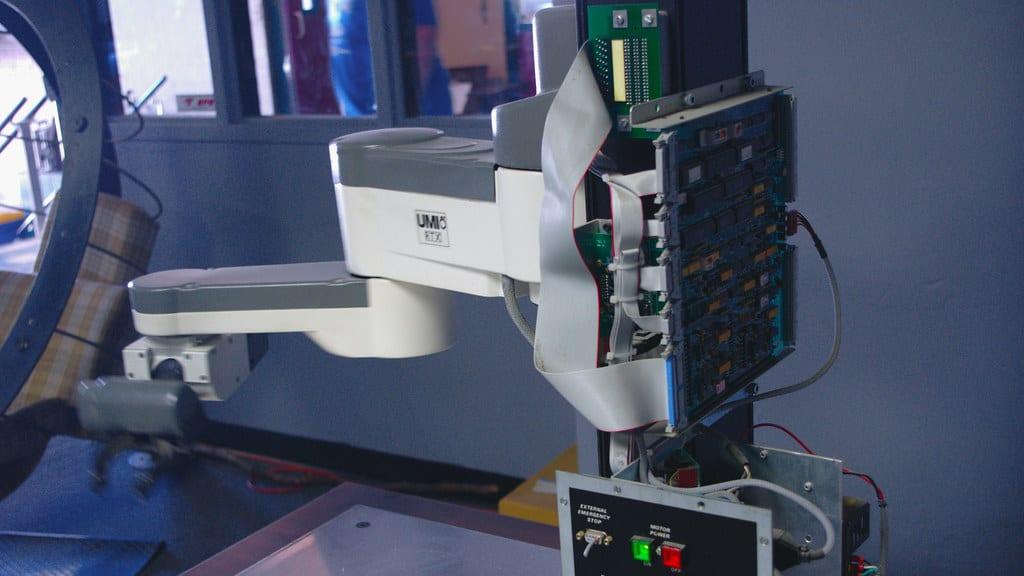
Researchers have published a new approach for robotic manipulators that helps them stay functional for longer periods. The method, called RUL-aware RRT*, treats the movement of a robot like a car engine that needs smart management to avoid premature breakdowns.
Robotic arms often fail because one joint works harder than the others and wears out faster. This uneven wear is a major cause of unexpected downtime in factories. Instead of treating all joints as equal, this new planning algorithm monitors the Remaining Useful Life (RUL) of each individual part.
Integrating health feedback into motion planning provides a practical and robust pathway for enhancing the durability and operational resilience of manipulators.
How it works
- The system tracks the health status of every joint in real time.
- It then adjusts the robot's movement paths to avoid overusing the most degraded parts.
- This balances the physical load across the entire arm.
The researchers tested this method in three different environments, ranging from healthy machines to those with localized wear. In every case, the approach delayed bottleneck failures and kept the robots running more reliably.
Imagine you had an old car but only drove it in a way that kept the most tired cylinder from working too hard. Would you trust your heavy lifting to a machine that knows its own limits?
Source: arXiv cs.RO