Robotic surgery data reveals expert skill through 3D movement patterns
A new study shows basic position data can distinguish expert surgeons from novices with high accuracy.
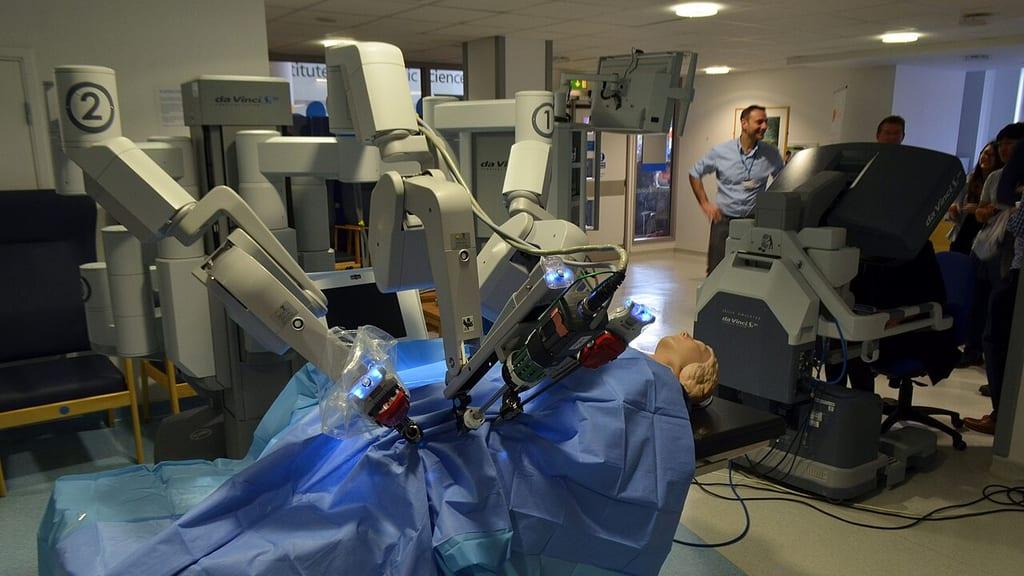
Researchers at npj Digital Medicine analyzed 98 robotic prostatectomies to see if simple movement data could measure surgical skill. They used the Hinotori Surgical Robot System, Japan’s first nationally developed platform, to track 3D coordinates during a specific step of the surgery.
The goal was to find a way to assess skill that works across different robotic brands. Most current systems use proprietary data that is hard to compare. This study focused on universal features like position and speed, which any robot with tracking can provide.
A Random Forest classifier, a type of machine learning model, identified expert surgeons with an area under the curve of 0.892. This means the model correctly distinguished experts from non-experts in nearly 9 out of 10 cases. The most important signal was "left-hand peak density," which measures how consistently the non-dominant hand moves.
Experts moved 44% smoother than non-experts, according to jerk metrics. They also completed the anastomosis step 32.9% faster, taking about 45 minutes compared to 68 minutes for novices. These differences were statistically significant, suggesting that skill leaves a clear fingerprint in the data.
When the researchers tested the model on surgeons it had never seen before, performance dropped but remained useful. A simplified model using just three key features achieved an AUC of 0.788. This suggests the core signals of expertise are fundamental and not just quirks of specific surgeons.
The study also linked movement patterns to patient outcomes. Smoother movements correlated with less blood loss. However, the group with anastomotic leaks was very small, with only five patients, so these findings are exploratory rather than definitive.
Interestingly, two expert surgeons adapted to the new robot in different ways. One improved significantly over time, reducing their operation time by 25.7%. The other maintained consistent performance from the very first case. This highlights that learning curves vary even among top professionals.
This approach offers a potential standard for training and assessment. Instead of relying on subjective reviews, hospitals could use objective kinematic data to track progress. It could help identify which surgeons need more practice on specific movements.
The method relies on 3D positional data, which is standard for modern robotic arms. This makes it more portable than metrics tied to specific hardware. It could eventually allow a surgeon’s skill profile to follow them across different operating rooms and platforms.
The study has limits. It focused on one type of surgery and one robotic platform. The sample size for outcome correlations was small. Also, while the model predicts expertise, it does not yet predict specific clinical failures with high certainty.
Can a robot’s movement data tell us more about a surgeon’s skill than their years of experience? This study suggests the answer is yes, at least for the fundamental patterns of motion.
Source: npj Digital Medicine